



















Travel Capitalist Ventures Expands Check Size to $10 Million to Deepen Emerging Market Conviction
Boutique Travel VC raises investment cap from $1.5M to $10M to lead rounds and support portfolio companies through growth Travel...
Read moreDetails
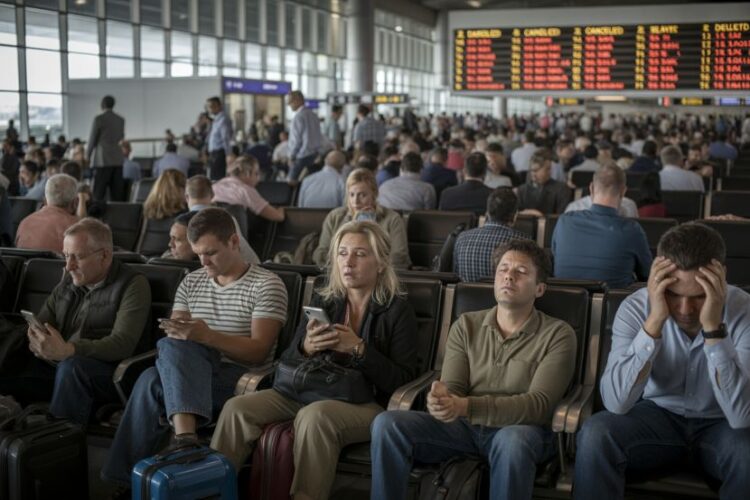
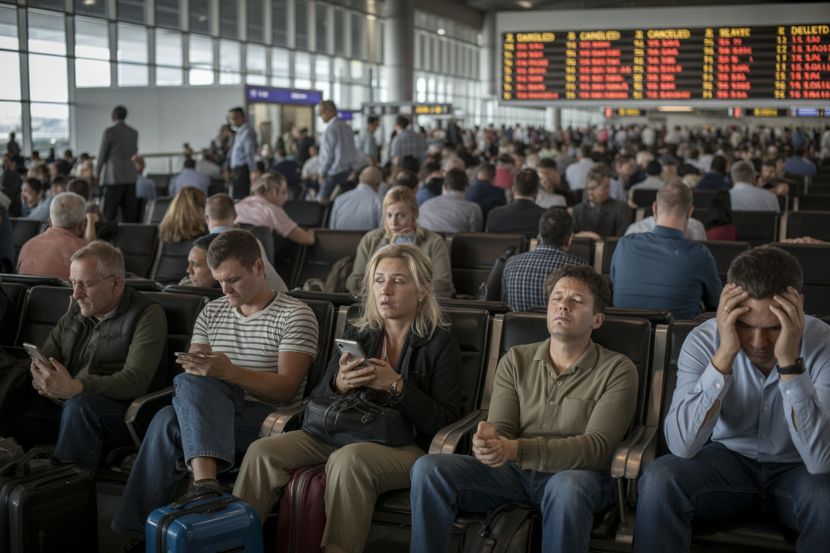
Passengers Left in Limbo Across Italy as Ryanair, Wizz, Air France, Lufthansa, and Other Airlines De...
Article Summary:
Today, air travel in Italy is experiencing significant disruptions as Malpensa International Airport in Milan, Bologna’s Guglielmo Marconi, and Naples Capodichino have been hit by major delays and cancellations. With 226 delays across these major airports, passengers are left in limbo, impacting travel plans and causing considerable inconvenience.
Key Points:
Actionable Takeaways:
Contextual Insights:
The disruptions in Italian air travel underscore the vulnerabilities within the European air travel infrastructure, particularly at major hubs like Malpensa, Bologna, and Naples. This situation is reflective of broader challenges faced by the travel industry, including the impact of weather conditions, operational inefficiencies, and external factors such as pandemics or geopolitical tensions. As the travel industry continues to evolve, innovations in travel tech, such as advanced booking systems and AI-driven customer service solutions, are becoming increasingly crucial. These technologies can help airlines manage disruptions more efficiently, improve passenger communication, and enhance overall travel experiences. The current situation also emphasizes the need for continuous investment in airport infrastructure and operational resilience to ensure smoother travel experiences in the future.
Read the Complete Article.
Boutique Travel VC raises investment cap from $1.5M to $10M to lead rounds and support portfolio companies through growth Travel...
Read moreDetails




