
























Travel Capitalist Ventures Expands Check Size to $10 Million to Deepen Emerging Market Conviction
Boutique Travel VC raises investment cap from $1.5M to $10M to lead rounds and support portfolio companies through growth Travel...
Read moreDetails

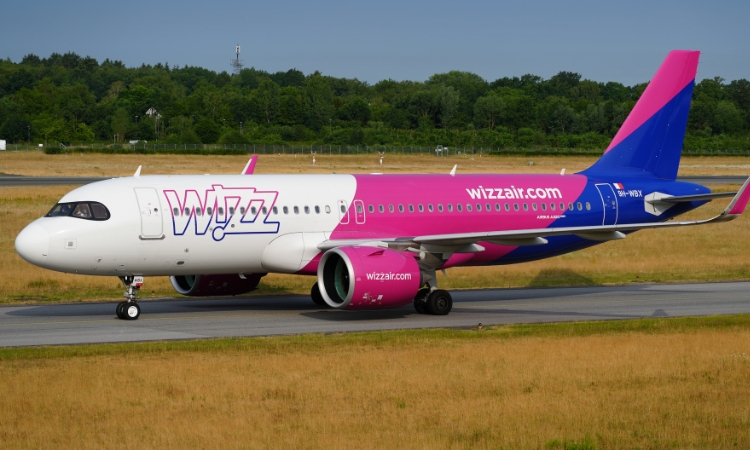
Tornos News | Wizz Air: New direct Sofia – Corfu connection for summer 2026
Article Summary:
Wizz Air has announced a new air connection between Sofia and Corfu, set to commence on June 7, 2026. This service will operate twice a week, on Tuesdays and Sundays, with fares starting at 29.99 euros. The flights will be operated using Airbus A321neo aircraft, which boast 20% lower fuel consumption, 20% reduced CO₂ emissions, and 50% less noise compared to previous-generation Airbus aircraft. This development underscores the airline’s commitment to sustainability and innovation in travel technology.
Key Points:
Actionable Takeaways:
Contextual Insights:
The introduction of the Sofia-Corfu route by Wizz Air aligns with the growing trend in the travel industry towards expanding connectivity in less-traveled routes. This move not only provides travelers with more options but also supports the airline’s sustainability goals. In the context of current industry trends, the emphasis on eco-friendly technologies and competitive pricing reflects a broader shift towards sustainable and cost-effective travel solutions. As the travel industry continues to evolve, such innovations are likely to influence consumer preferences and competitive strategies among airlines and travel service providers.
Read the Complete Article.
Boutique Travel VC raises investment cap from $1.5M to $10M to lead rounds and support portfolio companies through growth Travel...
Read moreDetails




