





















Travel Capitalist Ventures Expands Check Size to $10 Million to Deepen Emerging Market Conviction
Boutique Travel VC raises investment cap from $1.5M to $10M to lead rounds and support portfolio companies through growth Travel...
Read moreDetails
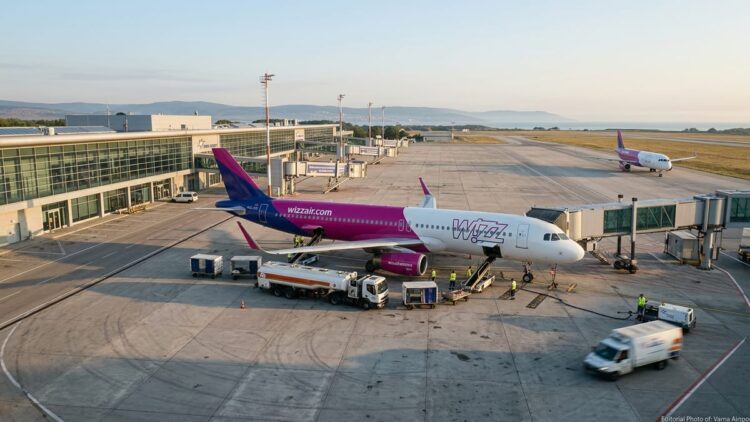
Varna Airport Grows as Wizz Air Adds Routes and Capacity
Comprehensive Summarization:
Varna Airport is experiencing rapid growth as a key gateway on Bulgaria’s Black Sea coast, thanks to the strategic moves of low-cost carrier Wizz Air. The airline has expanded its European route network, added more aircraft to its fleet in the country, and significantly increased seat capacity for upcoming seasons. This expansion is putting Varna on more European maps, enhancing its appeal as a travel destination and solidifying its position as a burgeoning hub in the region.
Key Points:
Actionable Takeaways:
Strategic Expansion Opportunity: The growth of Wizz Air in Varna Airport presents a strategic opportunity for other airlines and travel service providers to explore partnerships or investments in the region. This expansion could lead to increased connectivity and tourism, benefiting local economies and travel infrastructure.
Focus on European Markets: Wizz Air’s strategic focus on expanding its European routes highlights a growing trend in the travel industry towards enhancing connectivity between Europe and emerging markets like Bulgaria. Travel companies and startups could leverage this trend by developing targeted marketing strategies or innovative travel packages to attract European tourists to Bulgaria.
Investment in Fleet and Infrastructure: The addition of more aircraft and increased seat capacity suggest a commitment to expanding operational capacity. This trend underscores the importance of investing in fleet modernization and infrastructure development to meet growing demand. Companies in the travel tech sector could explore solutions that support such expansions, such as advanced booking systems or integrated travel platforms.
Contextual Understanding:
The article reflects the current trend of low-cost carriers expanding their networks to capitalize on emerging markets, particularly in Eastern Europe. Varna Airport’s growth is indicative of a broader shift towards more accessible and affordable travel options, driven by the competitive pricing strategies of airlines like Wizz Air. This expansion aligns with the increasing demand for seamless travel experiences, as highlighted by recent insights from travel industry thought leaders who emphasize the importance of connectivity and convenience in shaping consumer behavior.
Moreover, the strategic moves by Wizz Air underscore the importance of technological advancements in the travel sector. Innovations in booking systems, digital platforms, and customer service are crucial for supporting the operational scale-up seen at Varna Airport. As such, the article not only provides a snapshot of current developments but also offers a forward-looking perspective on the evolving landscape of the travel industry, particularly in terms of market expansion and technological integration.
Read the Complete Article.
Boutique Travel VC raises investment cap from $1.5M to $10M to lead rounds and support portfolio companies through growth Travel...
Read moreDetails



Comprehensive Summarization: The article discusses the tightening of safety rules in Laos' tourism sector following a series of incidents involving...
Read moreDetails
