
























Travel Capitalist Ventures Expands Check Size to $10 Million to Deepen Emerging Market Conviction
Boutique Travel VC raises investment cap from $1.5M to $10M to lead rounds and support portfolio companies through growth Travel...
Read moreDetails
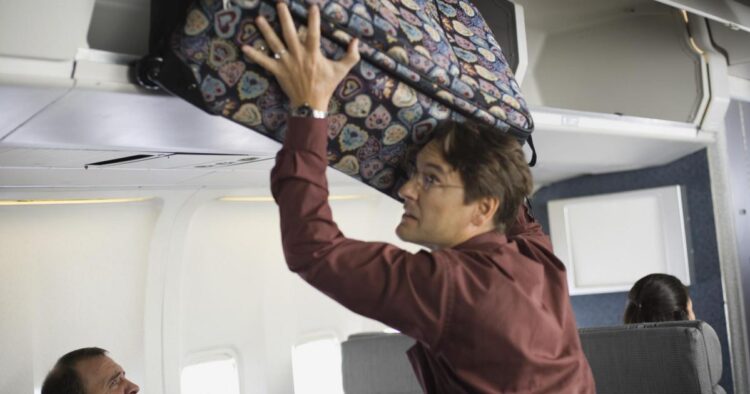
Which? says EasyJet, Ryanair and Wizz Air 'deserve to be called out'
Article Summary:
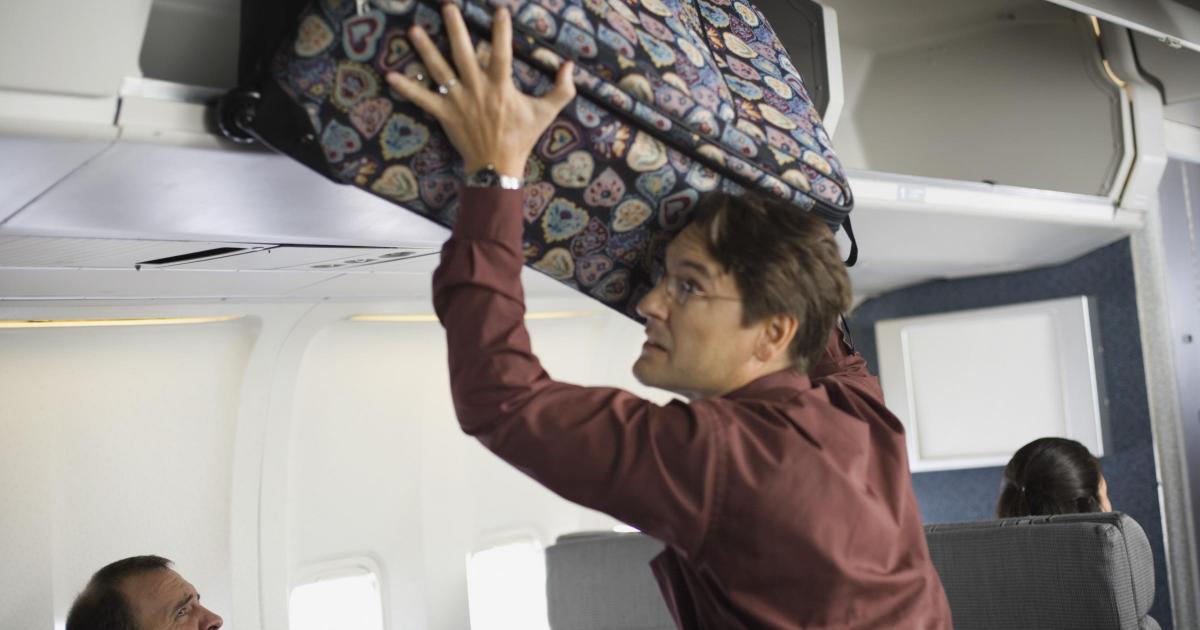
The article discusses a report by consumer group Which? which scrutinized the pricing of cabin bags on flights operated by easyJet, Ryanair, and Wizz Air. The group examined the costs across nearly 1,500 flights on popular routes, considering both peak and off-peak dates. Which? found that easyJet’s advertised price of £5.99 for a cabin bag did not reflect the actual prices found, indicating a discrepancy that the group deemed worthy of criticism.
Key Points:
Actionable Takeaways:
Contextual Insights:
The article reflects current trends in the travel industry where consumer trust and pricing transparency are paramount. With increasing competition among low-cost carriers, the emphasis on clear and fair pricing practices is becoming a key differentiator. The role of consumer advocacy groups like Which? is also evolving, acting as a bridge between consumer interests and airline policies. Looking forward, the integration of technology in pricing strategies, such as AI-driven dynamic pricing, could further enhance transparency and consumer satisfaction. Additionally, the article points to the growing importance of fintech solutions in the travel sector, where innovative payment and pricing models could redefine the customer experience.
Read the Complete Article.
Boutique Travel VC raises investment cap from $1.5M to $10M to lead rounds and support portfolio companies through growth Travel...
Read moreDetails




