




















Travel Capitalist Ventures Expands Check Size to $10 Million to Deepen Emerging Market Conviction
Boutique Travel VC raises investment cap from $1.5M to $10M to lead rounds and support portfolio companies through growth Travel...
Read moreDetails
LUAJ VIDEON
Article Summary:
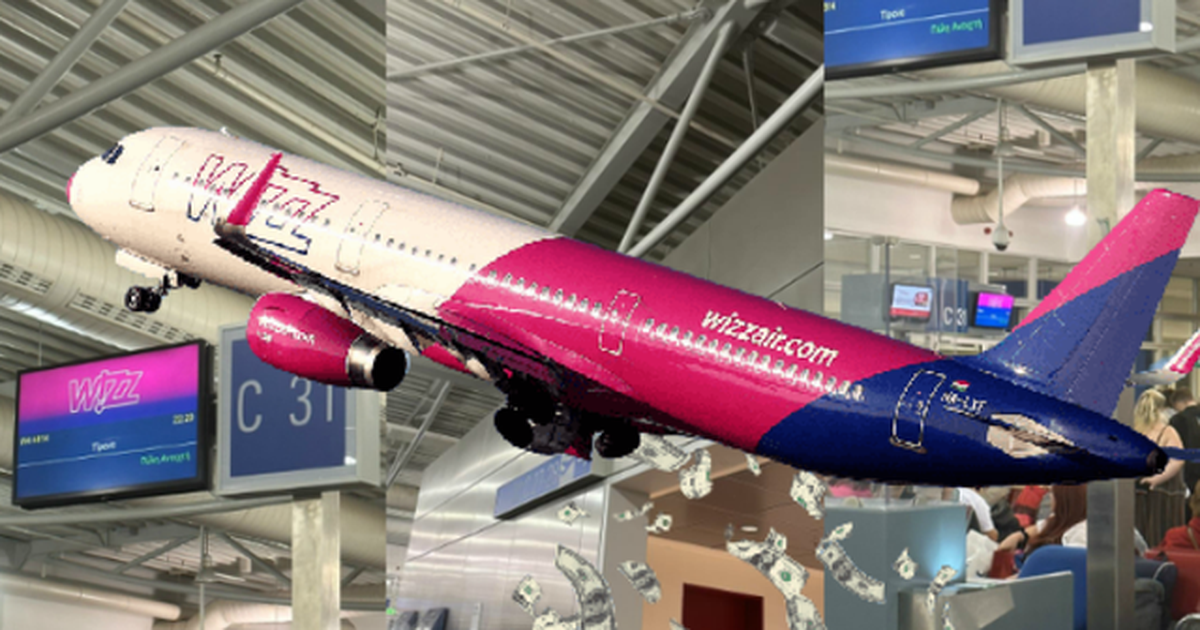
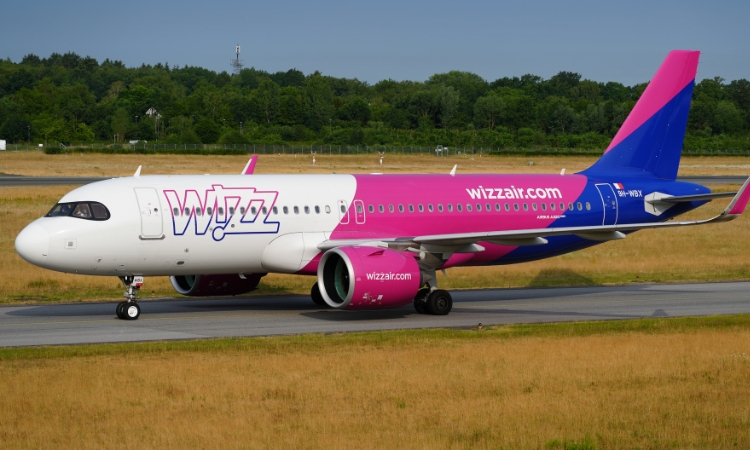
The article details an unprecedented situation where around 300 passengers were stranded at Brindisi airport without any communication or explanation from the airline company, Wizz Air. The passengers were left in total uncertainty regarding the continuation of their journey and without alternative solutions. In response to this emergency, the Border Police intervened, and a ferry solution was proposed to Albania, providing a potential route for the stranded passengers to continue their travel.
Key Points:
Actionable Takeaways:
Implementing Real-Time Communication Systems: Given the lack of communication from Wizz Air, there is a clear need for travel companies to invest in robust real-time communication systems. This can help manage passenger expectations and provide immediate updates during emergencies, enhancing customer trust and satisfaction. (Relevance: Directly addresses the immediate issue of communication breakdown in travel emergencies.)
Exploring Alternative Transportation Solutions: The article highlights the successful implementation of a ferry solution to Albania as a temporary measure for stranded passengers. This underscores the importance of having contingency plans for alternative transportation options. Travel companies should consider developing partnerships with ferry services or other ground transportation providers to offer seamless solutions in case of flight disruptions. (Relevance: Provides a practical solution to the immediate problem of stranded passengers and can be a model for future crisis management.)
Contextual Insights:
The situation described in the article is a stark reminder of the vulnerabilities in the travel industry, particularly in terms of communication and contingency planning. Recent trends in travel tech have emphasized the importance of real-time communication and customer support systems to manage unexpected disruptions. The intervention by the Border Police and the ferry solution to Albania reflect a proactive approach to crisis management, which is increasingly becoming a priority for travel companies. As the industry continues to evolve, integrating advanced technologies for real-time updates and exploring alternative transportation options will be crucial for maintaining operational efficiency and customer satisfaction. This incident also highlights the need for travel startups and fintech companies to innovate in areas such as crisis management tools and alternative travel solutions, ensuring they can provide value during unforeseen events.
Read the Complete Article.
Boutique Travel VC raises investment cap from $1.5M to $10M to lead rounds and support portfolio companies through growth Travel...
Read moreDetails




