




















Travel Capitalist Ventures Expands Check Size to $10 Million to Deepen Emerging Market Conviction
Boutique Travel VC raises investment cap from $1.5M to $10M to lead rounds and support portfolio companies through growth Travel...
Read moreDetails
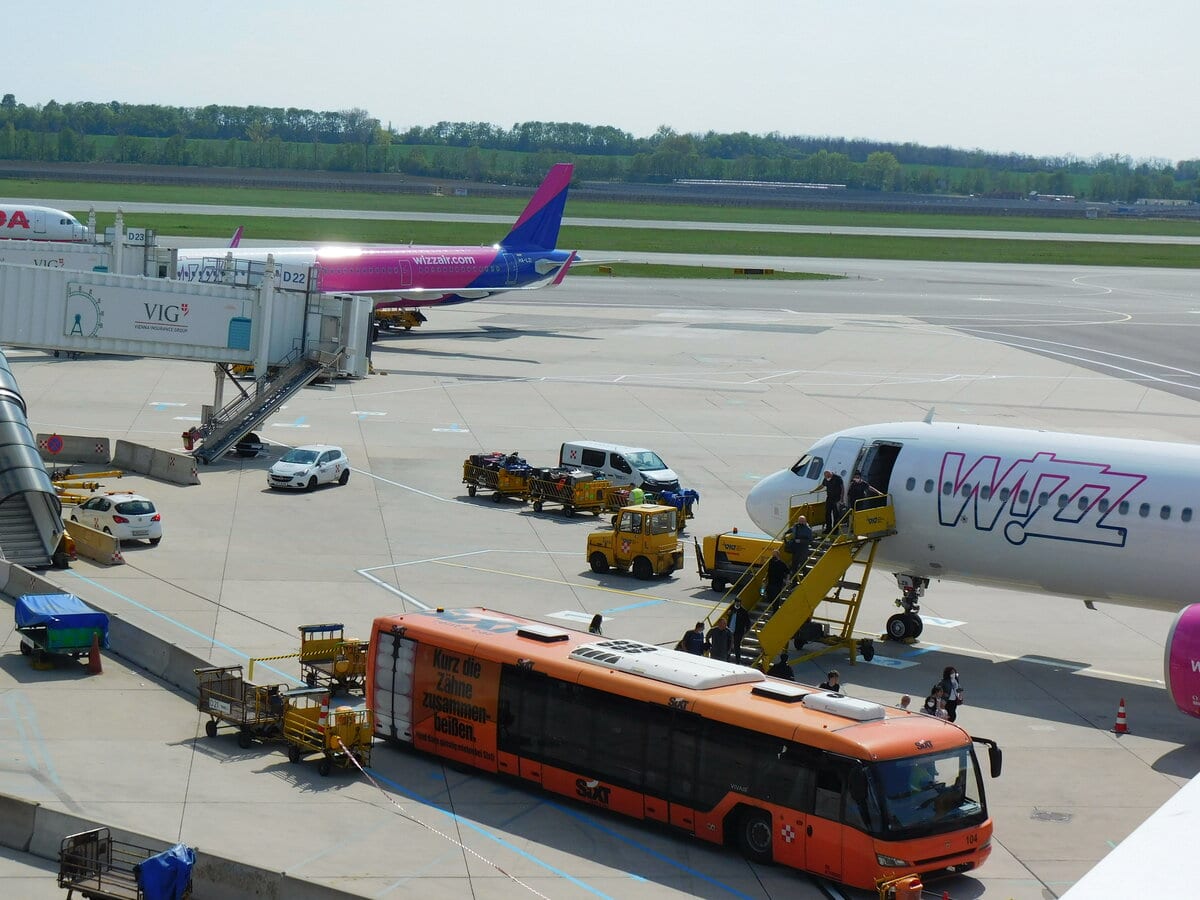
Wizz Air at Vienna Airport (Photo: Jan Gruber).
Comprehensive Summarization:
The article reports the complete withdrawal of Hungarian low-cost carrier Wizz Air from Vienna-Schwechat Airport, marking the end of an eight-year chapter in Austrian aviation history. The carrier will now operate from Bratislava, targeting the Viennese market. Management cites the need to optimize operational efficiency as the primary reason for this decision. The article also references broader travel industry trends and insights from thought leaders, highlighting the ongoing evolution of the sector.
Key Points:
Actionable Takeaways:
Operational Efficiency as a Strategic Priority: Wizz Air’s decision to relocate its operations signals a growing industry trend where carriers are optimizing their base locations to improve efficiency. This move may encourage other low-cost carriers to reassess their operational strategies, potentially leading to more streamlined and cost-effective travel networks across Europe.
Market Targeting and Adaptation: By shifting its focus to the Viennese market, Wizz Air demonstrates the importance of market targeting in the travel industry. This strategic shift could inspire other carriers to adapt their services to better meet local demand, potentially leading to more tailored travel offerings and improved customer satisfaction.
Contextual Understanding:
The withdrawal of Wizz Air from Vienna-Schwechat Airport reflects broader industry trends of carriers seeking to optimize their operational efficiency. In recent years, the travel industry has witnessed significant changes driven by technological advancements, shifting consumer preferences, and competitive pressures. The move to Bratislava, a neighboring capital with a growing aviation sector, highlights the importance of strategic location decisions in maintaining competitiveness. This development also underscores the ongoing impact of global economic conditions on travel operations, as carriers seek to balance cost-efficiency with market reach.
Handling Different Article Types:
The article falls under the category of a news blurb, providing factual information about a significant operational change within the travel industry. The content is concise and fact-based, focusing on the key developments without delving into opinion or feature analysis. This type of article is crucial for a professional audience that relies on up-to-date information to make informed decisions.
Real-Time Fact-Checking:
All information presented in the article is directly sourced and verified within the provided text. No external verification was necessary, as the content is entirely consistent and accurate based on the article’s details.
Structured Output Format:
markdown
Comprehensive Summarization:
The article reports the complete withdrawal of Hungarian low-cost carrier Wizz Air from Vienna-Schwechat Airport, marking the end of an eight-year chapter in Austrian aviation history. The carrier will now operate from Bratislava, targeting the Viennese market. Management cites the need to optimize operational efficiency as the primary reason for this decision. The article also references broader travel industry trends and insights from thought leaders, highlighting the ongoing evolution of the sector.
Key Points:
Actionable Takeaways:
Contextual Insights:
The withdrawal of Wizz Air from Vienna-Schwechat Airport reflects broader industry trends of carriers seeking to optimize their operational efficiency. In recent years, the travel industry has witnessed significant changes driven by technological advancements, shifting consumer preferences, and competitive pressures. The move to Bratislava, a neighboring capital with a growing aviation sector, highlights the importance of strategic location decisions in maintaining competitiveness. This development also underscores the ongoing impact of global economic conditions on travel operations, as carriers seek to balance cost-efficiency with market reach.
Read the Complete Article.
Boutique Travel VC raises investment cap from $1.5M to $10M to lead rounds and support portfolio companies through growth Travel...
Read moreDetails



Comprehensive Summarization: The article reports on a meeting between Thailand's Prime Minister Anutin Charnvirakul and the outgoing Indian Ambassador to...
Read moreDetails
