






















Travel Capitalist Ventures Expands Check Size to $10 Million to Deepen Emerging Market Conviction
Boutique Travel VC raises investment cap from $1.5M to $10M to lead rounds and support portfolio companies through growth Travel...
Read moreDetails

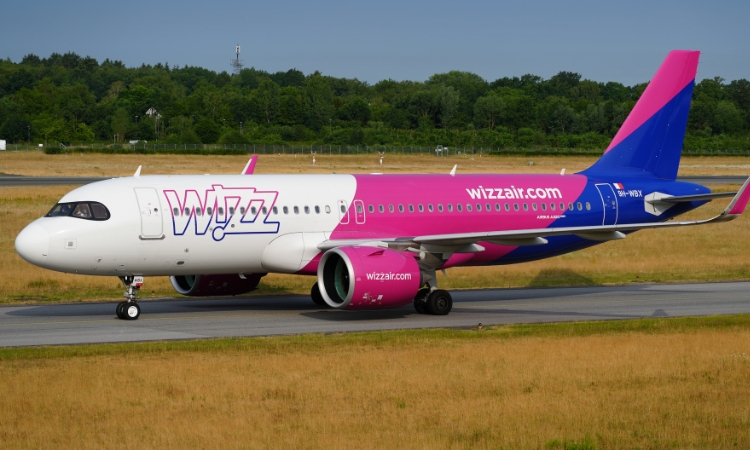
Wizz Air Bases 15th A321neo in Rome, Adds Eight New International Routes
Article Summary:
Wizz Air, an ultra-low-cost carrier, expanded its operations at Rome Fiumicino Airport on December 18, 2023, by adding its 15th Airbus A321neo aircraft to its fleet. This expansion is accompanied by the introduction of eight new routes, bringing the total number of destinations served from Rome to 72 across 28 countries. The new cities include Tallinn, Sofia, Chisinau, and Dubrovnik, alongside enhanced capacity on existing routes to London Luton and Tirana. This strategic move underscores Wizz Air’s commitment to broadening its network and enhancing connectivity in the European market.
Key Points:
Actionable Takeaways:
Contextual Insights:
The expansion of Wizz Air’s network at Rome Fiumicino is indicative of the broader trend in the travel industry towards enhancing connectivity and accessibility. As low-cost carriers continue to play a pivotal role in democratizing air travel, their strategic expansions often set precedents for competitors. The introduction of new routes to Eastern European destinations aligns with the growing demand for affordable travel options, particularly among business and leisure travelers seeking to explore these regions. Furthermore, the adoption of fuel-efficient aircraft like the Airbus A321neo underscores the industry’s shift towards sustainability, a key consideration for both airlines and environmentally conscious consumers. This context highlights the interconnectedness of technological advancements, market expansion, and sustainability efforts in shaping the future of the travel industry.
Read the Complete Article.
Boutique Travel VC raises investment cap from $1.5M to $10M to lead rounds and support portfolio companies through growth Travel...
Read moreDetails




