






















Travel Capitalist Ventures Expands Check Size to $10 Million to Deepen Emerging Market Conviction
Boutique Travel VC raises investment cap from $1.5M to $10M to lead rounds and support portfolio companies through growth Travel...
Read moreDetails
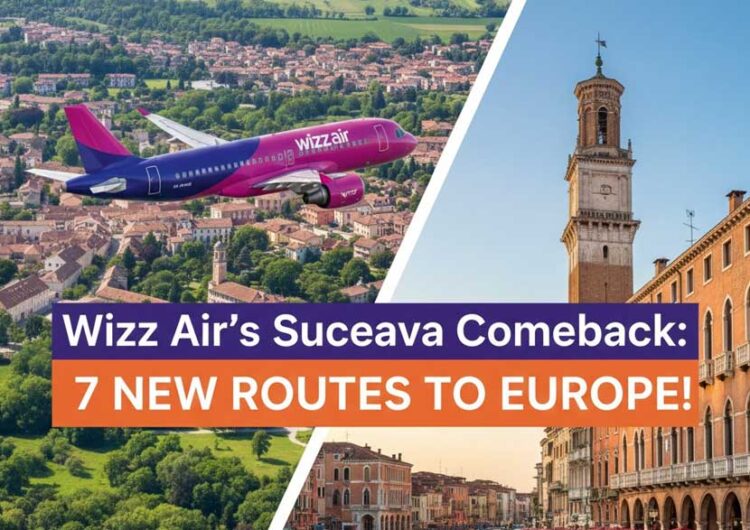
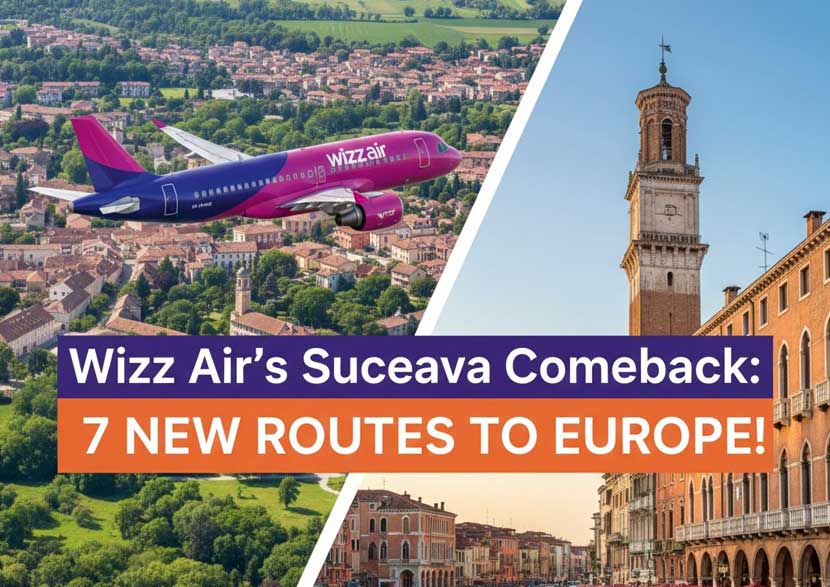
Wizz Air Reignites Suceava with Two A321neos, 130,000 Seats, and Seven New Routes—Here’s Why You Sho...
Article Summary:
Wizz Air is making a significant return to Suceava International Airport in northeastern Romania, reopening its base after a suspension in October 2023. The airline has added two new Airbus A321neos, increased its seat capacity to 130,000, and launched seven new routes. This move marks a bold comeback for the budget airline, signaling a strategic expansion in the region.
Key Points:
Actionable Takeaways:
Contextual Insights:
The reopening of Suceava International Airport by Wizz Air is a notable development in the context of the broader travel industry’s recovery post-pandemic. The airline’s strategic move highlights a growing trend of budget airlines reasserting their presence in previously underserved markets. This aligns with current industry trends emphasizing cost-effective travel options and strategic route expansions to meet consumer demand. Furthermore, the integration of modern aircraft like the Airbus A321neo reflects the industry’s shift towards sustainability and operational efficiency, areas where travel startups and fintech innovations are increasingly focusing. This development could potentially spur further innovation in travel tech, particularly in areas such as route optimization and dynamic pricing models, benefiting both airlines and consumers.
Read the Complete Article.
Boutique Travel VC raises investment cap from $1.5M to $10M to lead rounds and support portfolio companies through growth Travel...
Read moreDetails




