
























Travel Capitalist Ventures Expands Check Size to $10 Million to Deepen Emerging Market Conviction
Boutique Travel VC raises investment cap from $1.5M to $10M to lead rounds and support portfolio companies through growth Travel...
Read moreDetails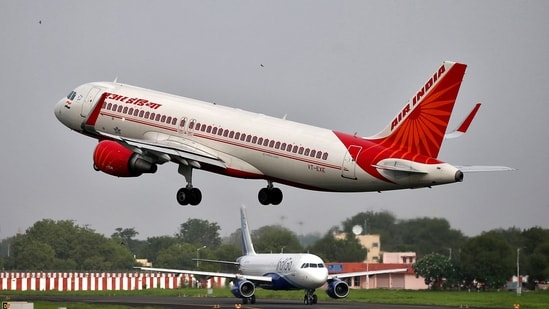


Wizz Air Expands London–UK Travel Footprint with Six New Routes Linking England to Armenia, Spain, F...
Article Summary:
Wizz Air, a low-cost airline, is set to expand its travel footprint from London Luton Airport in England to six new international destinations starting from summer 2026. These new routes will connect England to Armenia, Spain, France, Italy, Greece, and Portugal. This expansion aims to enhance travel and tourism access, reflecting the airline’s strategic move to strengthen its presence at London Luton Airport.
Key Points:
Actionable Takeaways:
Contextual Insights:
The expansion of Wizz Air’s routes from London Luton Airport aligns with broader trends in the travel industry towards increased connectivity and accessibility. Recent years have seen a surge in demand for affordable, convenient travel options, driven by factors such as economic recovery post-pandemic, growing middle-class populations in emerging markets, and advancements in air travel technology. Wizz Air’s strategic move reflects the industry’s response to these trends, emphasizing the importance of expanding routes to underserved markets to meet consumer demand.
Moreover, the airline’s focus on London Luton Airport, a key hub for low-cost carriers, underscores the growing importance of such airports in the European travel landscape. As more airlines seek to capitalize on the cost-effective and efficient travel options offered by low-cost carriers, airports like London Luton are likely to see increased activity and investment. This expansion also highlights the ongoing role of technology in shaping the travel industry, with airlines leveraging digital platforms to enhance customer experience and streamline operations.
Read the Complete Article.
Boutique Travel VC raises investment cap from $1.5M to $10M to lead rounds and support portfolio companies through growth Travel...
Read moreDetails




