


















Travel Capitalist Ventures Expands Check Size to $10 Million to Deepen Emerging Market Conviction
Boutique Travel VC raises investment cap from $1.5M to $10M to lead rounds and support portfolio companies through growth Travel...
Read moreDetails
Comprehensive Summarization:
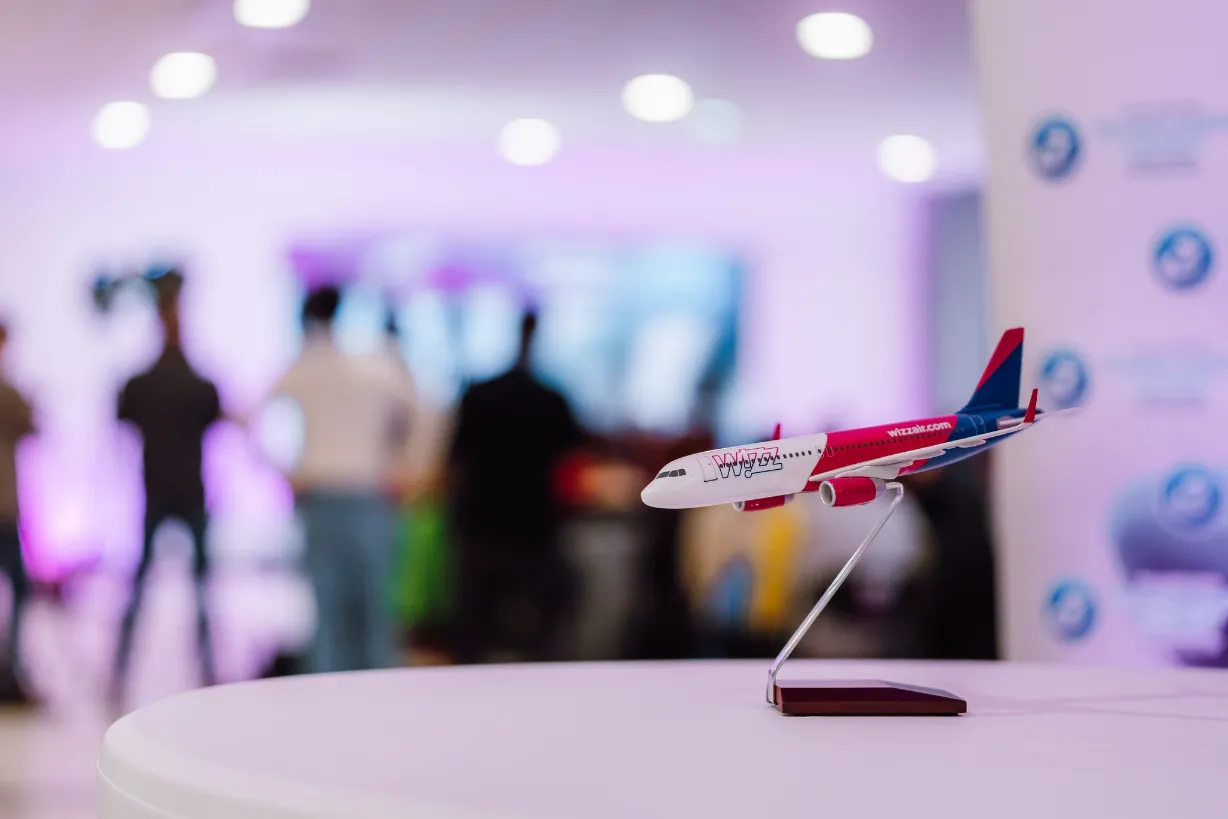
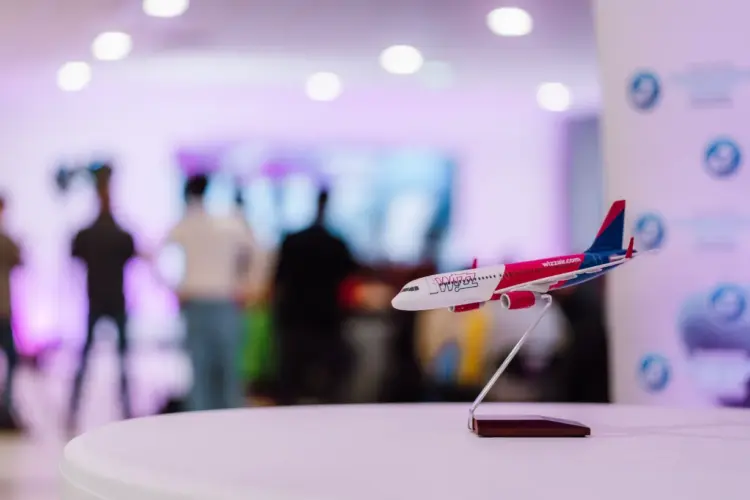
The article discusses the potential impact of the United States’ military strike against Iran, carried out in coordination with Israel, on Europe’s airlines, with a particular focus on Wizz Air, a Hungarian low-cost carrier. The strike, which President Trump has indicated could last at least three to four weeks, comes amid claims that Iran’s regime is open to negotiations. However, Iran denies these claims, stating they are “furiously” preparing for retaliation. The article also touches on the broader context of recent travel trends and insights from industry thought leaders, highlighting the evolving landscape of travel technology, startups, and fintech within the sector.
Key Points:
Actionable Takeaways:
Monitor Wizz Air’s Performance: Given the potential impact of the conflict on Wizz Air, airlines and investors should closely monitor the carrier’s financial performance and operational adjustments. This includes tracking changes in ticket sales, cancellations, and customer sentiment, as these factors will provide early indicators of the conflict’s impact on the airline’s operations and market position.
Invest in Resilient Travel Technologies: The article underscores the importance of staying abreast of travel technology trends. Airlines and travel companies should invest in resilient technologies that can quickly adapt to disruptions, such as real-time flight tracking, flexible booking options, and enhanced customer communication tools. These technologies can help mitigate the impact of geopolitical events on travel operations and customer satisfaction.
Explore Strategic Partnerships: In light of the evolving geopolitical landscape, airlines and travel companies should consider forming strategic partnerships with other industry players. These partnerships could include collaborations on risk management strategies, shared resources for customer support during crises, or joint marketing initiatives to maintain market share. Such collaborations can enhance resilience and provide a competitive edge in a volatile environment.
Contextual Insights:
The article’s context is deeply rooted in the current geopolitical tensions between the United States and Iran, which have significant implications for global travel and aviation. The strike, part of a broader conflict, underscores the vulnerability of the travel industry to political instability and military actions. Wizz Air, as a Hungarian low-cost carrier, is particularly exposed to these risks due to its operations across Europe and beyond. The potential for increased travel disruptions, such as flight cancellations and route changes, could lead to customer dissatisfaction and financial losses for airlines.
From a broader perspective, the article highlights the ongoing evolution of travel technology and its role in shaping the industry’s response to crises. Innovations such as AI-driven customer service, blockchain-based travel insurance, and advanced data analytics for risk assessment are becoming increasingly crucial. These technologies enable airlines to manage disruptions more effectively, communicate with customers in real-time, and make data-driven decisions to minimize the impact of external shocks.
Moreover, the article’s emphasis on travel startups and fintech innovations reflects the industry’s shift towards digital transformation. Startups are developing solutions that address the challenges posed by geopolitical uncertainties, such as secure payment systems for international travel, virtual travel agencies, and decentralized finance (DeFi) platforms for managing travel expenses. As the travel industry continues to adapt to these technological advancements, stakeholders must remain vigilant and proactive in leveraging these innovations to navigate future challenges.
Read the Complete Article.
Boutique Travel VC raises investment cap from $1.5M to $10M to lead rounds and support portfolio companies through growth Travel...
Read moreDetails



Comprehensive Summarization: The article discusses the significant role of Africa's informal economy, which accounts for approximately 85% of the continent's...
Read moreDetails
