


























Travel Capitalist Ventures Expands Check Size to $10 Million to Deepen Emerging Market Conviction
Boutique Travel VC raises investment cap from $1.5M to $10M to lead rounds and support portfolio companies through growth Travel...
Read moreDetails
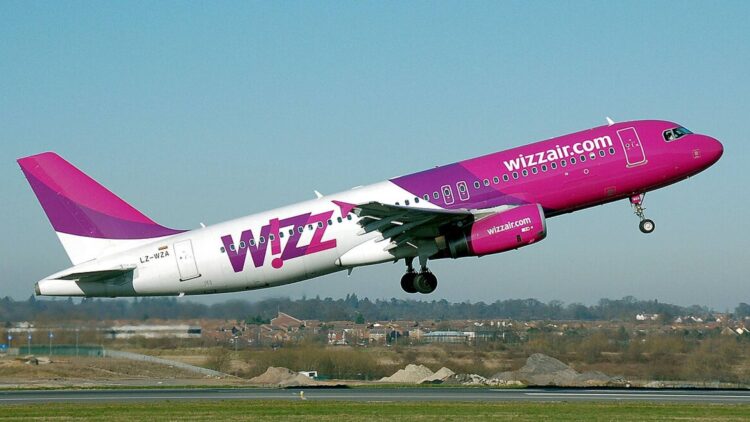
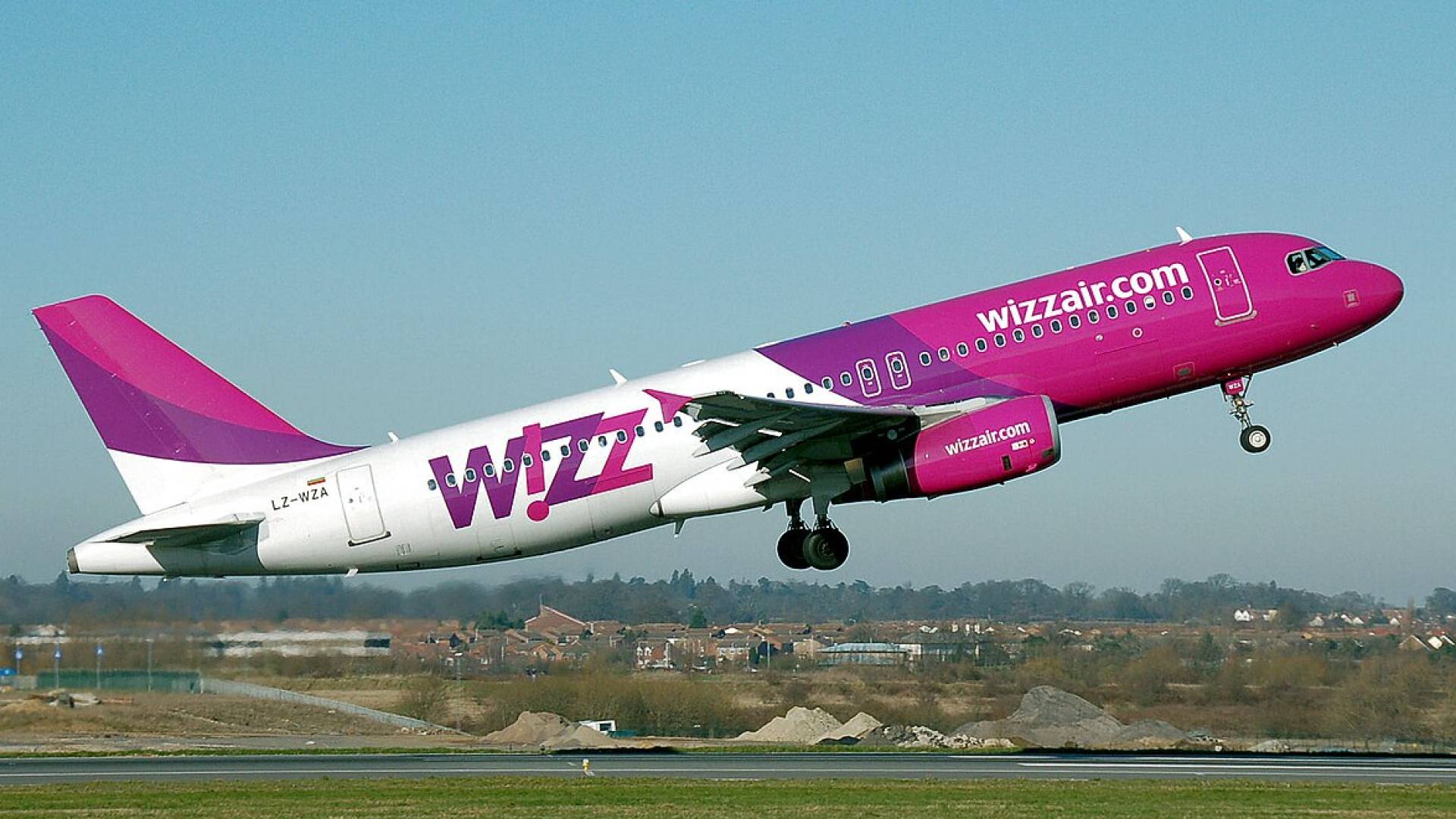
Roya News | Wizz Air to open 'Israeli' hub by April, pledges $1 billion investment
Article Summary:
Wizz Air’s CEO, Jozsef Varadi, has announced plans to establish a hub in Israel by April 2026. This move is part of a strategy to create a low-cost air traffic infrastructure in the region. The announcement was made following a meeting with Israeli Transportation Minister Miri Regev. Varadi expressed the company’s commitment to this initiative, highlighting that reducing living costs is a key factor in their decision. The airline expects the hub to be operational around March or April 2026.
Key Points:
Actionable Takeaways:
Contextual Insights:
The announcement of Wizz Air’s plans to establish a hub in Israel reflects a broader trend in the travel industry towards expanding low-cost air travel infrastructure in strategic regions. This move aligns with the current industry trend of leveraging technology to reduce costs and increase efficiency. Furthermore, it underscores the importance of strategic partnerships in the travel sector, as they can provide the necessary support for such ambitious projects. The initiative also highlights the ongoing focus on reducing living costs, a key concern for many travelers, especially in the wake of economic uncertainties. Overall, this development is a positive indicator of the travel industry’s resilience and adaptability in the face of changing market conditions.
Read the Complete Article.
Boutique Travel VC raises investment cap from $1.5M to $10M to lead rounds and support portfolio companies through growth Travel...
Read moreDetails




