




















Travel Capitalist Ventures Expands Check Size to $10 Million to Deepen Emerging Market Conviction
Boutique Travel VC raises investment cap from $1.5M to $10M to lead rounds and support portfolio companies through growth Travel...
Read moreDetails
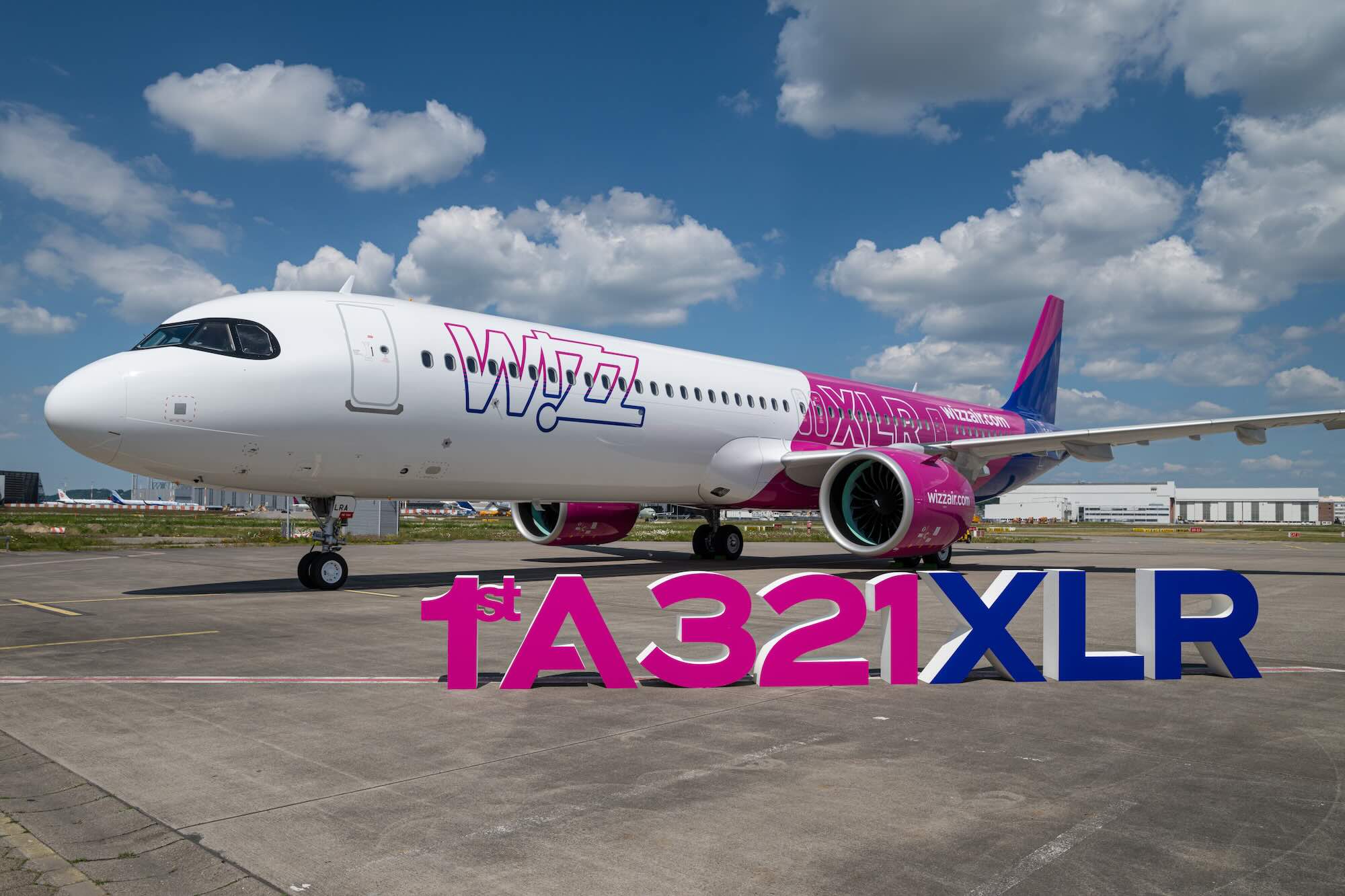
Wizz Air has decided what to do with its A321XLRs: it will fly to the US and Canada (and there are a...
Comprehensive Summarization:
Wizz Air, a Hungarian low-cost airline, has decided on the fate of its Airbus A321XLRs, which include six aircraft currently in its fleet and three more set to join soon. These aircraft are part of a subsidiary based in Abu Dhabi, which operates as a low-cost carrier. Despite the initial launch of this subsidiary, it closed its doors after a few months due to geopolitical factors. The article provides insights into the airline’s strategic decisions regarding its aircraft fleet and the broader context of the travel industry’s challenges and adaptations.
Key Points:
Actionable Takeaways:
Strategic Aircraft Fleet Management: Wizz Air’s decision to retain its Airbus A321XLRs despite the closure of its Abu Dhabi subsidiary suggests a strategic approach to aircraft management. This indicates a potential trend among airlines to retain older aircraft longer, possibly due to cost considerations or strategic positioning in the market. This could impact the aviation industry by influencing decisions on aircraft lifecycle management and investment in newer, more efficient models.
Geopolitical Risks in Low-Cost Carriers: The closure of Wizz Air’s Abu Dhabi-based subsidiary underscores the significant geopolitical risks faced by low-cost carriers. This serves as a cautionary tale for other airlines, particularly those operating in regions with volatile political climates. It highlights the importance of risk assessment and diversification in airline operations to mitigate such risks, potentially leading to more resilient business models in the industry.
Contextual Insights:
The article reflects the ongoing challenges faced by airlines, particularly low-cost carriers, in navigating geopolitical uncertainties. It aligns with current industry trends where airlines are increasingly focusing on operational efficiency and risk management. The strategic decision to retain older aircraft like the Airbus A321XLR can be seen as part of a broader trend towards optimizing fleet utilization and managing costs in a competitive market. Furthermore, the article’s emphasis on geopolitical risks resonates with the growing emphasis on resilience and adaptability in the travel sector, as highlighted by thought leaders in travel tech and fintech. These insights suggest that the industry is moving towards more agile and risk-aware strategies to sustain growth and profitability amidst changing global dynamics.
Read the Complete Article.
Boutique Travel VC raises investment cap from $1.5M to $10M to lead rounds and support portfolio companies through growth Travel...
Read moreDetails



Comprehensive Summarization: VistaJet and XO, parent company Vista Global, are reportedly considering an IPO, according to financial website 9fin. The...
Read moreDetails
