




![Songjeong Beach is crowded with surfers. [Yonhap News]](https://images.traveltrade.today/wp-content/uploads/2026/04/Busan-Develops-Wellness-Tourism-Products.png)




















Travel Capitalist Ventures Expands Check Size to $10 Million to Deepen Emerging Market Conviction
Boutique Travel VC raises investment cap from $1.5M to $10M to lead rounds and support portfolio companies through growth Travel...
Read moreDetails
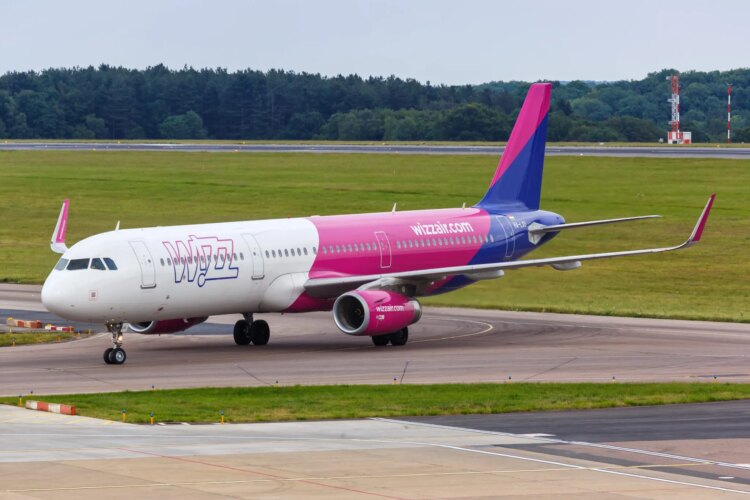
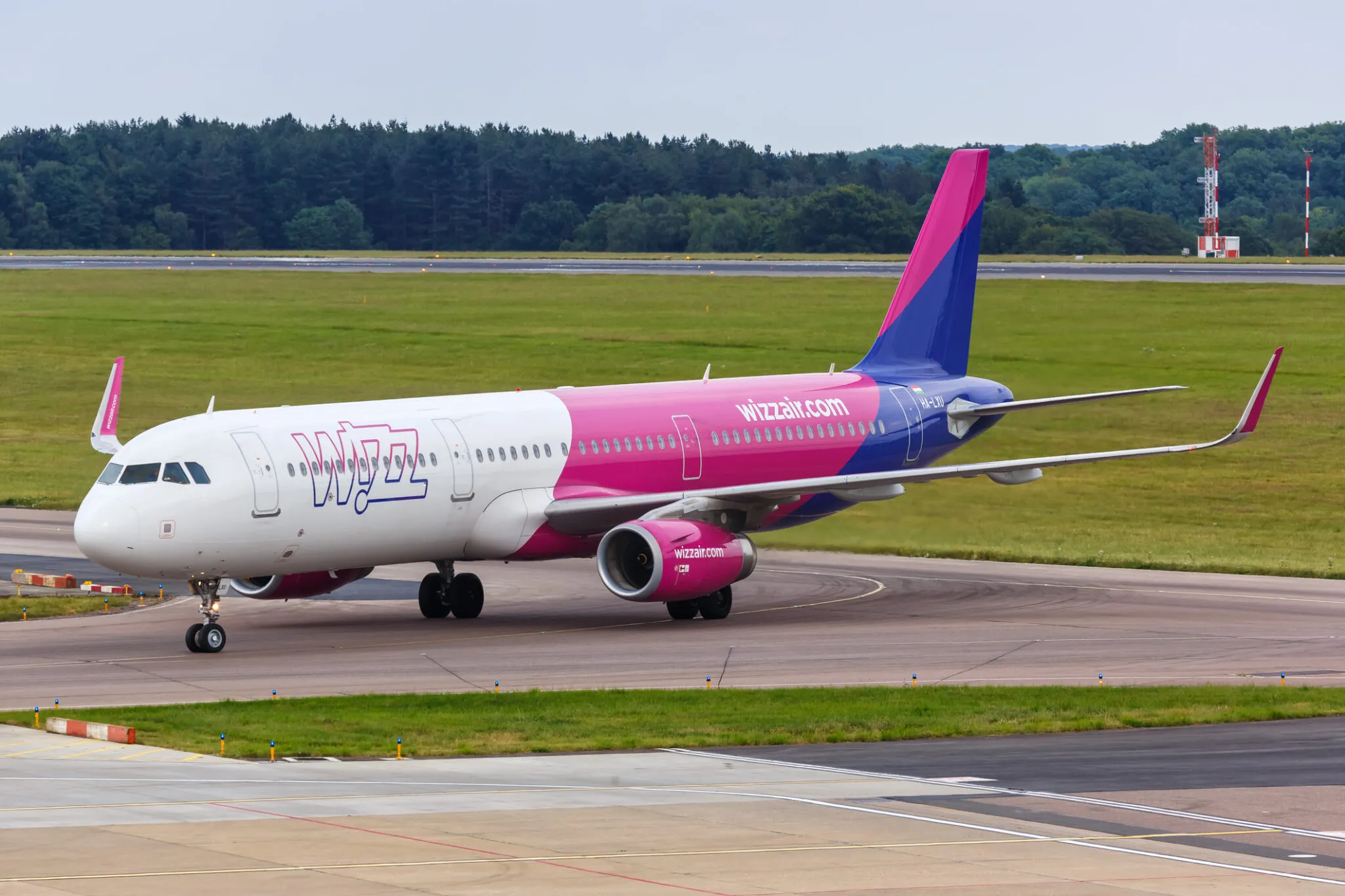
Wizz Air outlines goals and limitations of its decarbonization plan
Comprehensive Summarization:
The article discusses Wizz Air’s ambitious goal of sourcing 10% of its fuel requirements from sustainable aviation fuel (SAF) by the end of the decade. This target is considered “aspirational and ambitious” by the airline. During a recent media event at Gen Phoenix’s factory in Peterborough, UK, where they produce seat covers from recycled leather waste, Wizz Air acknowledged that achieving this target requires policymakers to recognize and support the necessary steps. The article also touches on the broader context of travel tech, startups, and fintech, highlighting innovations and trends in the industry.
Key Points:
Actionable Takeaways:
Investment in Sustainable Aviation Fuel: Airlines like Wizz Air should actively seek partnerships with policymakers to accelerate the adoption of SAF. This is crucial for meeting sustainability targets and aligns with global efforts to reduce the carbon footprint of the aviation industry.
Innovation in Sustainable Materials: The use of recycled leather waste for seat covers demonstrates a trend towards sustainable materials in travel tech. Companies in the travel industry should explore similar innovations to reduce waste and environmental impact, potentially setting new standards for eco-friendly practices.
Collaboration Between Travel Startups and Traditional Airlines: The article suggests a growing synergy between startups and established airlines. Startups can bring innovative solutions, such as sustainable materials or alternative fuels, to traditional airlines, fostering a more sustainable and efficient travel industry.
Contextual Insights:
The article reflects the ongoing shift in the travel industry towards sustainability and innovation. With increasing global awareness of environmental issues, airlines are under pressure to adopt greener practices. Wizz Air’s commitment to SAF and the use of recycled materials exemplify this trend. Moreover, the collaboration between startups and traditional airlines highlights the importance of innovation ecosystems in driving industry-wide change. As the travel industry continues to evolve, such partnerships and technological advancements will play a pivotal role in shaping future travel experiences and sustainability goals.
Read the Complete Article.
Boutique Travel VC raises investment cap from $1.5M to $10M to lead rounds and support portfolio companies through growth Travel...
Read moreDetails



Comprehensive Summarization: South Korea has joined a growing list of countries, including India, Thailand, Singapore, Malaysia, Vietnam, and the Philippines,...
Read moreDetails
