


















Travel Capitalist Ventures Expands Check Size to $10 Million to Deepen Emerging Market Conviction
Boutique Travel VC raises investment cap from $1.5M to $10M to lead rounds and support portfolio companies through growth Travel...
Read moreDetails
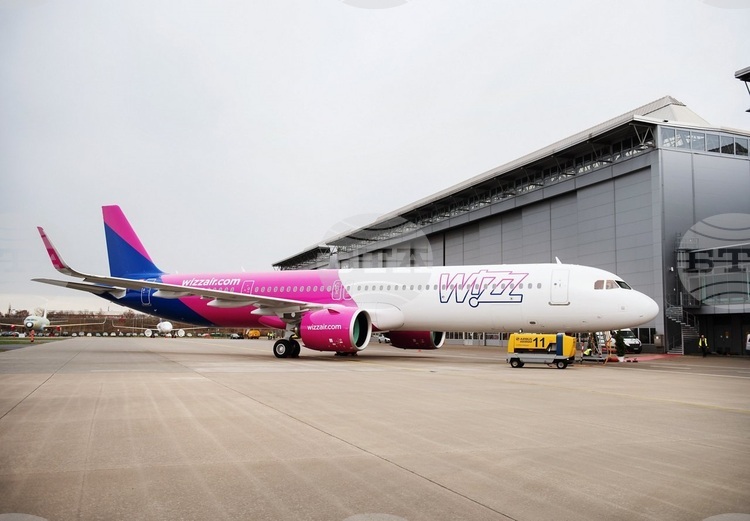
Wizz Air Plans Direct Flights to New Polish Destination
Comprehensive Summarization:
Wizz Air is set to launch a new direct route from Burgas to Radom, Poland, starting July 21. This route will operate twice a week, on Tuesdays and Saturdays. The Hungarian ultra-low-cost airline announced this expansion in a press release on Wednesday. The addition of this route is expected to stimulate inbound tourism to the southern section of Poland, marking an expansion of Wizz Air’s network from Burgas.
Key Points:
Actionable Takeaways:
Increased Market Reach: The new route from Burgas to Radom is expected to increase Wizz Air’s market reach, particularly in the tourism sector. This could lead to a rise in inbound tourism to the southern section of Poland, benefiting local businesses and the economy. (Relevance: Directly impacts the travel industry’s growth and economic implications.)
Opportunity for Local Businesses: With increased tourism, local businesses in the southern section of Poland may see an uptick in sales and customer traffic. This could be an opportunity for local entrepreneurs to capitalize on the growing influx of tourists. (Relevance: Highlights potential economic benefits for local businesses, aligning with current trends in tourism-driven economic growth.)
Contextual Insights:
The launch of this new route by Wizz Air aligns with the broader trend of airlines expanding their networks to stimulate tourism, especially in regions that have seen a resurgence in travel post-pandemic. The focus on the Burgas-Radom route is particularly noteworthy as it targets the southern section of Poland, an area that has shown potential for growth in tourism. This move by Wizz Air reflects a strategic shift towards leveraging ultra-low-cost travel to boost tourism, a trend observed in many travel startups and fintech innovations aimed at making travel more accessible and affordable. As the travel industry continues to recover and evolve, such strategic expansions are likely to become more common, offering both opportunities and challenges for stakeholders in the sector.
Read the Complete Article.
Boutique Travel VC raises investment cap from $1.5M to $10M to lead rounds and support portfolio companies through growth Travel...
Read moreDetails



Comprehensive Summarization: The article reports on the brief but spectacular visit of the Queen Mary 2 cruise ship to Durban...
Read moreDetails
