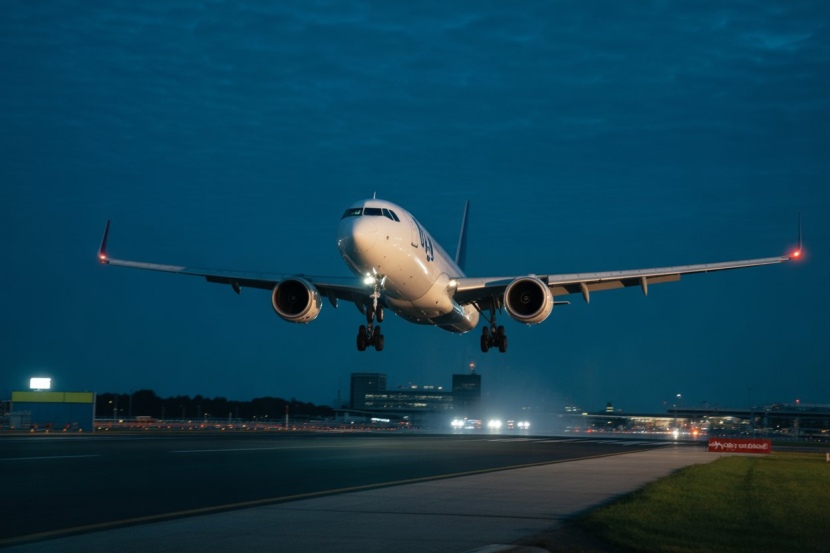

























Travel Capitalist Ventures Expands Check Size to $10 Million to Deepen Emerging Market Conviction
Boutique Travel VC raises investment cap from $1.5M to $10M to lead rounds and support portfolio companies through growth Travel...
Read moreDetails

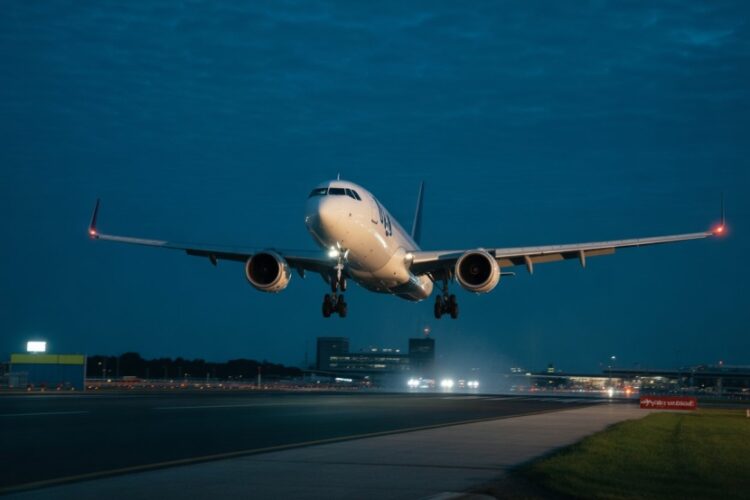
Warsaw Chopin and Rome Fiumicino Set for Major Wizz Air Capacity Expansion in Summer 2026
Article Summary:
Wizz Air has announced plans for parallel capacity expansions at Warsaw Chopin Airport and Rome Fiumicino Airport for summer 2026. This includes additional aircraft, new routes, and higher seat availability, as part of the airline’s long-term growth program. The expansions aim to strengthen travel connectivity from two major European gateways during the peak summer period.
Key Points:
Actionable Takeaways:
Contextual Insights:
The article reflects the ongoing trend of airlines expanding capacity to meet growing demand, particularly during peak travel seasons. Wizz Air’s strategic focus on major European gateways like Warsaw Chopin and Rome Fiumicino aligns with broader industry trends of optimizing routes and increasing seat availability to maximize revenue. This move is also indicative of the airline’s response to the post-pandemic recovery phase, where travel demand is rebounding and airlines are seeking to capitalize on this resurgence. Furthermore, the emphasis on new Airbus aircraft suggests a commitment to modernizing the fleet, which could enhance operational efficiency and passenger experience. These developments are likely to have a positive impact on Wizz Air’s market position and could set a precedent for other airlines to follow suit in capacity expansion strategies.
Read the Complete Article.
Boutique Travel VC raises investment cap from $1.5M to $10M to lead rounds and support portfolio companies through growth Travel...
Read moreDetails




