
























Travel Capitalist Ventures Expands Check Size to $10 Million to Deepen Emerging Market Conviction
Boutique Travel VC raises investment cap from $1.5M to $10M to lead rounds and support portfolio companies through growth Travel...
Read moreDetails

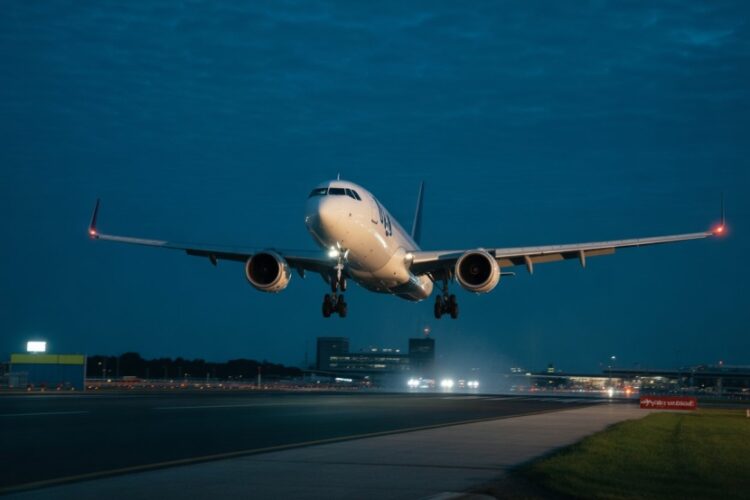
Warsaw Chopin and Rome Fiumicino Set for Major Wizz Air Capacity Expansion in Summer 2026
Article Summary:
Wizz Air has announced plans for parallel capacity expansions at Warsaw Chopin Airport and Rome Fiumicino Airport for summer 2026. These expansions include additional aircraft, new routes, and increased seat availability, as part of the airline’s long-term growth strategy. The focus is on enhancing travel connectivity from two major European gateways during the peak summer travel period.
Key Points:
Actionable Takeaways:
Strategic Expansion for Summer 2026: Wizz Air’s planned capacity expansions at Warsaw Chopin and Rome Fiumicino airports indicate a strategic move to bolster travel connectivity during the high-demand summer period. This expansion could lead to increased competition in the European market, potentially driving airlines to innovate further in terms of routes and services to attract travelers.
Focus on Airbus Aircraft Deployment: The deployment of new Airbus aircraft is a key component of Wizz Air’s growth strategy. This reflects a broader industry trend towards leveraging advanced aircraft technology to improve operational efficiency and passenger experience. Airlines may need to consider similar investments in newer aircraft models to remain competitive and meet rising passenger expectations.
Alignment with Long-term Growth Program: Wizz Air’s strategy is aligned with its long-term growth program, suggesting a commitment to sustainable and scalable expansion. This approach underscores the importance of strategic planning in the travel industry, where long-term vision and adaptability are crucial for sustained success. Companies in the sector should consider adopting similar forward-thinking strategies to navigate market dynamics effectively.
Contextual Insights:
The article’s focus on Wizz Air’s capacity expansions at two major European airports reflects broader industry trends of airlines seeking to enhance connectivity and service offerings during peak travel seasons. The emphasis on new Airbus aircraft and new routes highlights the ongoing importance of technological advancement and strategic route planning in the travel sector. As the travel industry continues to recover and evolve, such expansions are likely to become more common as airlines aim to meet growing demand and capitalize on seasonal travel peaks.
Moreover, the strategic alignment of these expansions with Wizz Air’s long-term growth program underscores the sector’s emphasis on sustainable and scalable growth. This context is crucial for understanding the broader implications for the travel industry, where companies must balance immediate demand with long-term strategic objectives. The insights provided here can guide industry stakeholders in making informed decisions regarding their own expansion and growth strategies, ensuring they remain competitive in an increasingly dynamic market.
Read the Complete Article.
Boutique Travel VC raises investment cap from $1.5M to $10M to lead rounds and support portfolio companies through growth Travel...
Read moreDetails




