






















Travel Capitalist Ventures Expands Check Size to $10 Million to Deepen Emerging Market Conviction
Boutique Travel VC raises investment cap from $1.5M to $10M to lead rounds and support portfolio companies through growth Travel...
Read moreDetails
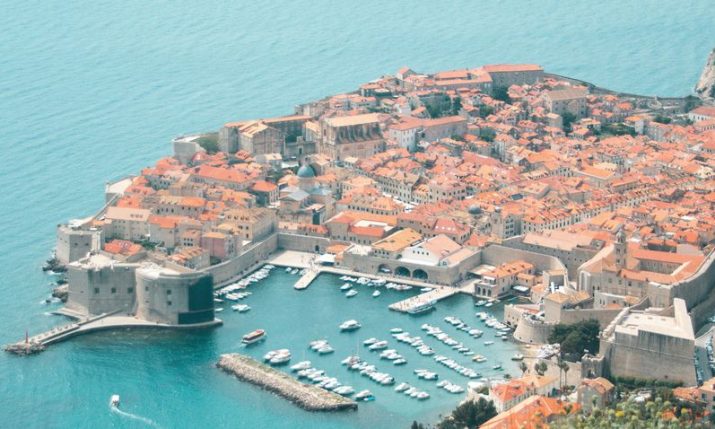
Wizz Air launching new route to Dubrovnik this summer
Comprehensive Summarization:
The article reports that low-cost airline Wizz Air has announced the introduction of a new seasonal service connecting Bucharest with Dubrovnik. This development is highlighted as a significant step in Wizz Air’s strategy to strengthen its presence in the Croatian market. The new route is reported to be part of Wizz Air’s seasonal offerings, as detailed by exyuaviation.com. The article provides context within the travel industry, emphasizing the role of low-cost carriers in expanding connectivity and offering affordable travel options to destinations like Dubrovnik.
Key Points:
Actionable Takeaways:
Expanded Connectivity in Southeast Europe: The introduction of the Bucharest-Dubrovnik route by Wizz Air signifies an expansion of low-cost connectivity in Southeast Europe. For travel professionals, this could mean increased demand for flights and accommodations in Dubrovnik during the seasonal period, presenting opportunities for hotels, tour operators, and local businesses to capitalize on the heightened travel activity.
Opportunities for Local Tourism Boost: The new route may stimulate tourism in Dubrovnik, particularly during the seasonal period. Travel agencies and local businesses should consider marketing campaigns and partnerships to attract more visitors, leveraging the increased flight options to Bucharest. This could involve targeted advertising, special travel packages, or collaborations with local tour operators to enhance the visitor experience.
Market Positioning for Low-Cost Carriers: Wizz Air’s move highlights the growing importance of low-cost carriers in the European travel market. For industry stakeholders, this underscores the need for competitive pricing strategies and efficient service delivery to remain competitive. It also suggests that travelers are increasingly favoring budget-friendly options, prompting airlines to innovate further in terms of service quality and customer experience to retain market share.
Contextual Insights:
The introduction of the Bucharest-Dubrovnik route by Wizz Air reflects broader trends in the travel industry, such as the increasing demand for affordable travel options and the strategic expansion of low-cost carriers into new markets. As of recent years, there has been a notable shift towards budget travel, driven by economic factors and changing consumer preferences. This trend is supported by thought leaders in the travel sector who emphasize the importance of accessibility and affordability in driving tourism growth.
Moreover, the article aligns with the ongoing narrative of digital transformation in the travel industry. With the rise of online booking platforms and advanced travel technologies, airlines like Wizz Air are leveraging digital tools to enhance customer experience and streamline operations. This strategic move by Wizz Air not only positions the airline competitively within the Croatian market but also exemplifies the broader industry trend of integrating technology to meet evolving consumer demands.
In summary, the new Bucharest-Dubrovnik route by Wizz Air is a strategic development that underscores the growing importance of low-cost connectivity in Southeast Europe. For the travel industry, this presents both challenges and opportunities, particularly in terms of market expansion, tourism promotion, and competitive positioning for airlines. By capitalizing on these insights, industry stakeholders can effectively navigate the evolving landscape and capitalize on emerging trends.
Read the Complete Article.
Boutique Travel VC raises investment cap from $1.5M to $10M to lead rounds and support portfolio companies through growth Travel...
Read moreDetails




