























Travel Capitalist Ventures Expands Check Size to $10 Million to Deepen Emerging Market Conviction
Boutique Travel VC raises investment cap from $1.5M to $10M to lead rounds and support portfolio companies through growth Travel...
Read moreDetails
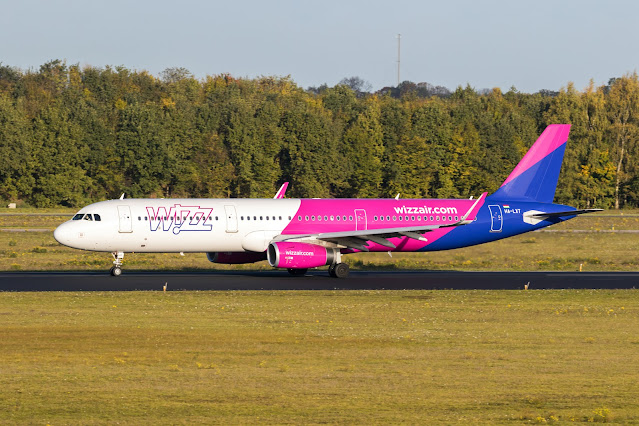
Wizz Air launching Zadar operations
Comprehensive Summarization:
Wizz Air, a low-cost carrier, is expanding its operations in Croatia by introducing flights to Zadar, starting from Budapest and Warsaw on June 9. The service will operate four times per week until September 19, providing a direct competition to Ryanair in the region. The airline’s expansion is detailed on their respective websites, offering a new travel option for passengers looking to explore Croatia’s coastal city. This move aligns with the broader travel industry trend of increasing connectivity and competition among low-cost carriers.
Key Points:
Actionable Takeaways:
Increased Connectivity in Croatia: Wizz Air’s introduction of flights to Zadar provides travelers with more options to reach Croatia’s coastal city, potentially boosting tourism and local economies. This move underscores the growing importance of connectivity in the travel industry and the competitive dynamics among low-cost carriers.
Market Competition: The entry of Wizz Air into the Croatian market intensifies competition among low-cost carriers, which could lead to more competitive pricing and improved services for consumers. This trend highlights the ongoing evolution of the travel tech sector, where innovation and strategic expansion are key to market positioning.
Contextual Insights:
The expansion of Wizz Air to Zadar reflects broader industry trends of increased connectivity and competition among low-cost carriers. As travel demand grows, airlines are leveraging technology and strategic partnerships to expand their networks and capture market share. This development is particularly relevant in the context of Croatia’s tourism industry, which benefits from increased accessibility and competition. Furthermore, the move aligns with the current emphasis on digital transformation in travel, where efficient operations and seamless customer experiences are paramount. For travel startups and fintech innovators, this scenario presents opportunities to enhance service offerings and customer engagement through technology-driven solutions.
Read the Complete Article.
Boutique Travel VC raises investment cap from $1.5M to $10M to lead rounds and support portfolio companies through growth Travel...
Read moreDetails



Macau — 2026-08-14 In short: Macao University of Tourism and China Tourism Academy co-host a forum on wellness tourism in...
Read moreDetails
