


















Travel Capitalist Ventures Expands Check Size to $10 Million to Deepen Emerging Market Conviction
Boutique Travel VC raises investment cap from $1.5M to $10M to lead rounds and support portfolio companies through growth Travel...
Read moreDetails
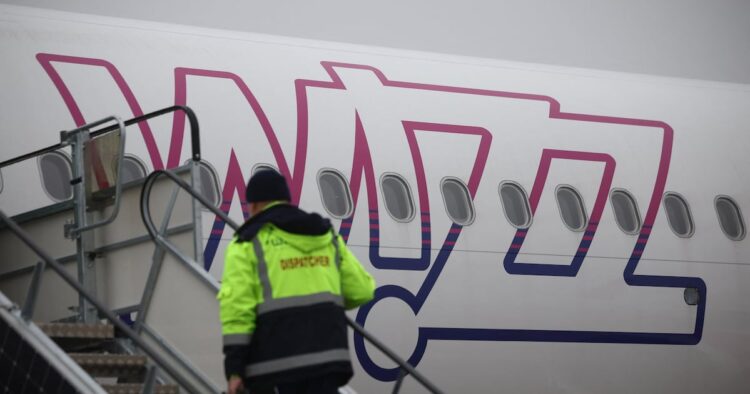
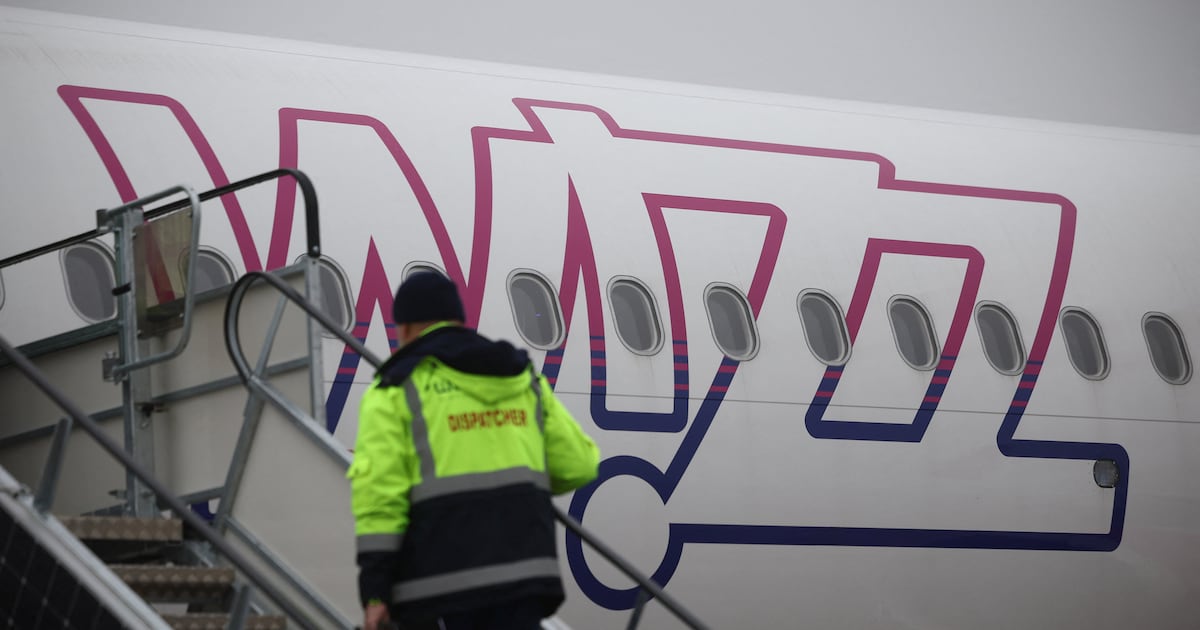
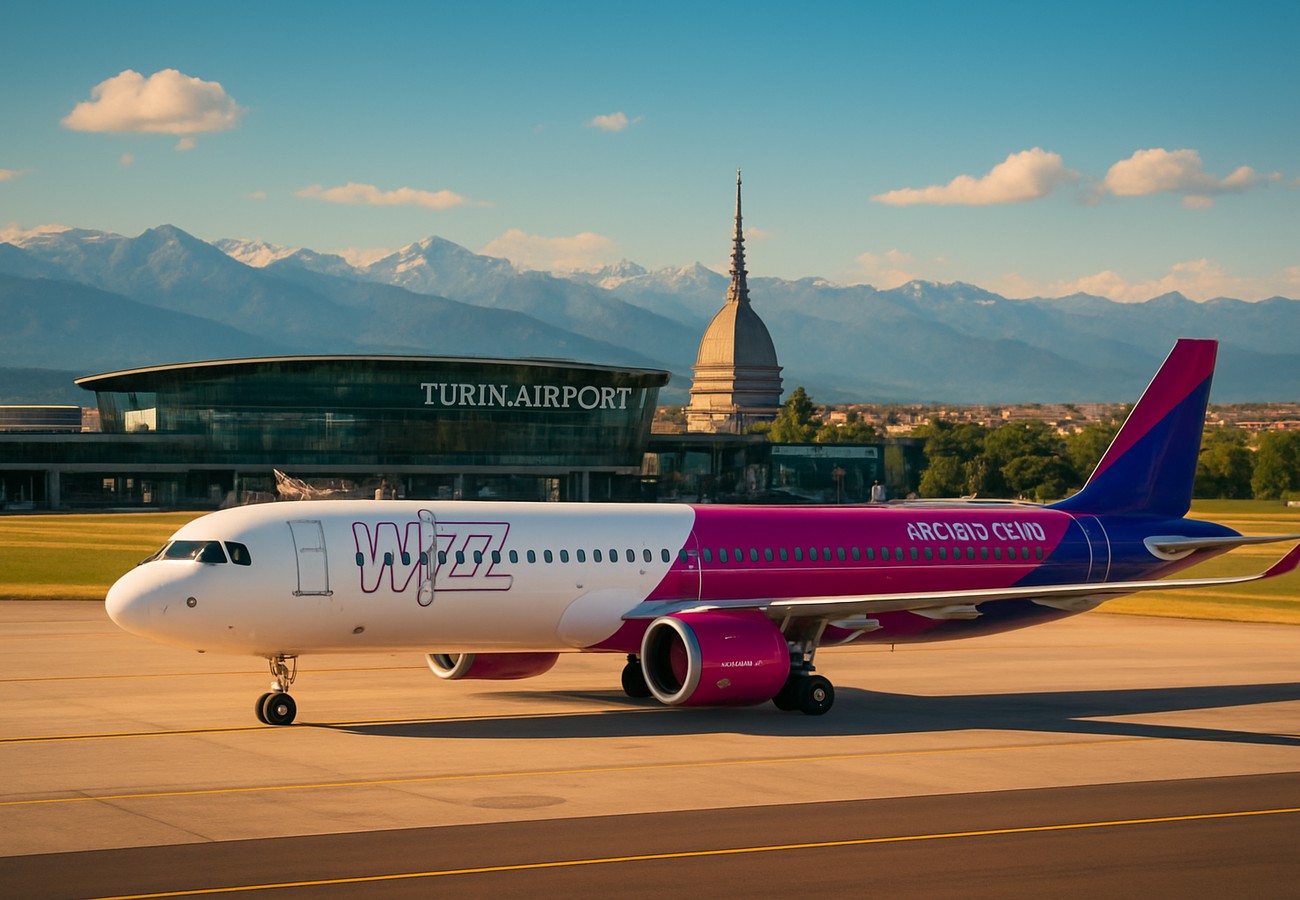
Wizz Air is in negotiations with transport authorities to open a base in Israel by April. Reuters
Article Summary:
Wizz Air, a Hungary-based ultra-low-cost airline, has decided not to raise ticket prices for flights to Tel Aviv, despite the high fares in Israel due to the absence of foreign carriers during the Gaza war. This decision comes as Wizz Air is in negotiations to open a base in Israel by April, a move that has faced objections from local airlines due to concerns over increased competition. The article highlights the strategic positioning of Wizz Air in the Israeli market amidst a competitive landscape and the broader implications for the travel industry.
Key Points:
Actionable Takeaways:
Contextual Insights:
The decision by Wizz Air to maintain competitive ticket prices in the face of high fares in Israel reflects a broader trend in the travel industry towards price stability amidst fluctuating market conditions. This strategy is particularly relevant given the recent suspension of services by foreign carriers during the Gaza war, which has left local airlines with limited competition. The potential opening of a Wizz Air base in Israel by April could further intensify competition, pushing local airlines to innovate and improve their offerings to retain customers. This scenario aligns with the current travel industry trend of leveraging strategic positioning and partnerships to navigate competitive markets. As travel startups and fintech innovations continue to evolve, companies must stay agile, adapting to market changes and leveraging technology to enhance customer experience and operational efficiency.
Read the Complete Article.
Boutique Travel VC raises investment cap from $1.5M to $10M to lead rounds and support portfolio companies through growth Travel...
Read moreDetails




