






















Travel Capitalist Ventures Expands Check Size to $10 Million to Deepen Emerging Market Conviction
Boutique Travel VC raises investment cap from $1.5M to $10M to lead rounds and support portfolio companies through growth Travel...
Read moreDetails
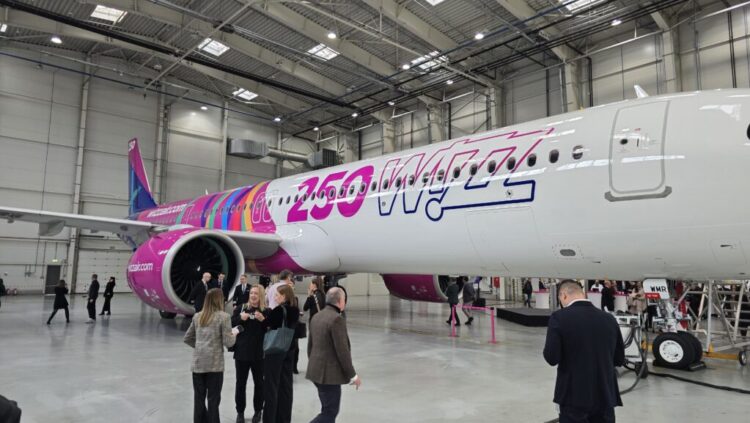
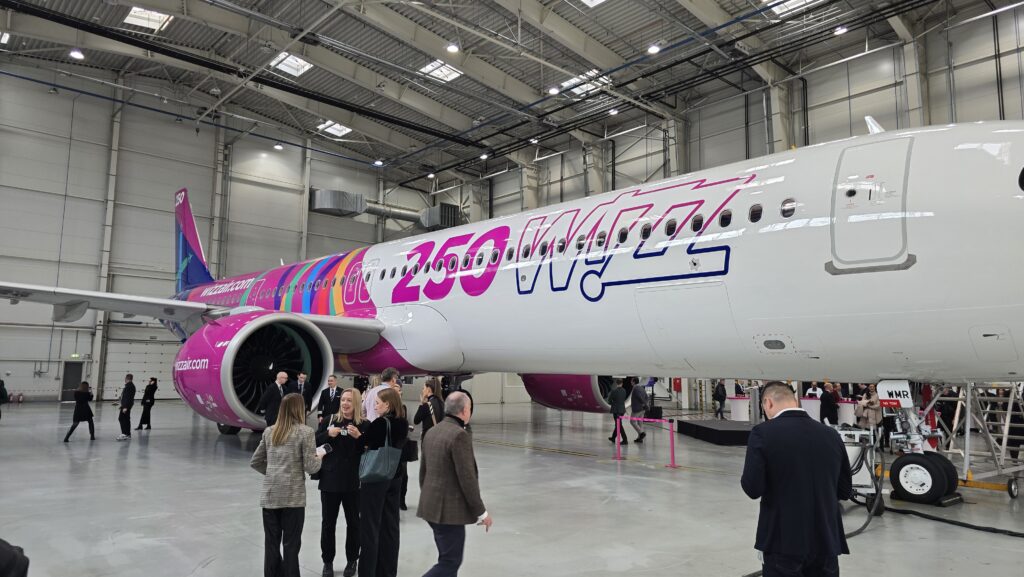
Wizz Air boss blames biased regulation for Dubai exit
Article Summary:
Wizz Air, a low-cost airline, has decided to cease its operations in Dubai due to its CEO, József Váradi, expressing dissatisfaction with the regulatory environment in Abu Dhabi. Váradi cited an unworkable regulatory system as the primary reason for the airline’s exit, highlighting the unpredictability and perceived bias in the regulatory framework. This decision underscores the challenges faced by airlines operating in regions with complex regulatory environments and the importance of a predictable legal and regulatory system for business continuity.
Key Points:
Actionable Takeaways:
Contextual Insights:
The decision by Wizz Air to exit Dubai operations underscores the growing importance of regulatory stability in the travel industry. As airlines navigate increasingly complex regulatory landscapes, the ability to predict and influence regulatory outcomes becomes crucial. This trend is reflective of broader industry shifts towards greater emphasis on operational resilience and risk management. Furthermore, the incident highlights the need for travel startups and fintech companies to develop strategies that account for regulatory uncertainties, ensuring they can operate effectively across diverse markets. By prioritizing regulatory clarity and stability, industry players can better position themselves to capitalize on emerging opportunities and navigate challenges effectively.
Read the Complete Article.
Boutique Travel VC raises investment cap from $1.5M to $10M to lead rounds and support portfolio companies through growth Travel...
Read moreDetails




