





















Travel Capitalist Ventures Expands Check Size to $10 Million to Deepen Emerging Market Conviction
Boutique Travel VC raises investment cap from $1.5M to $10M to lead rounds and support portfolio companies through growth Travel...
Read moreDetails
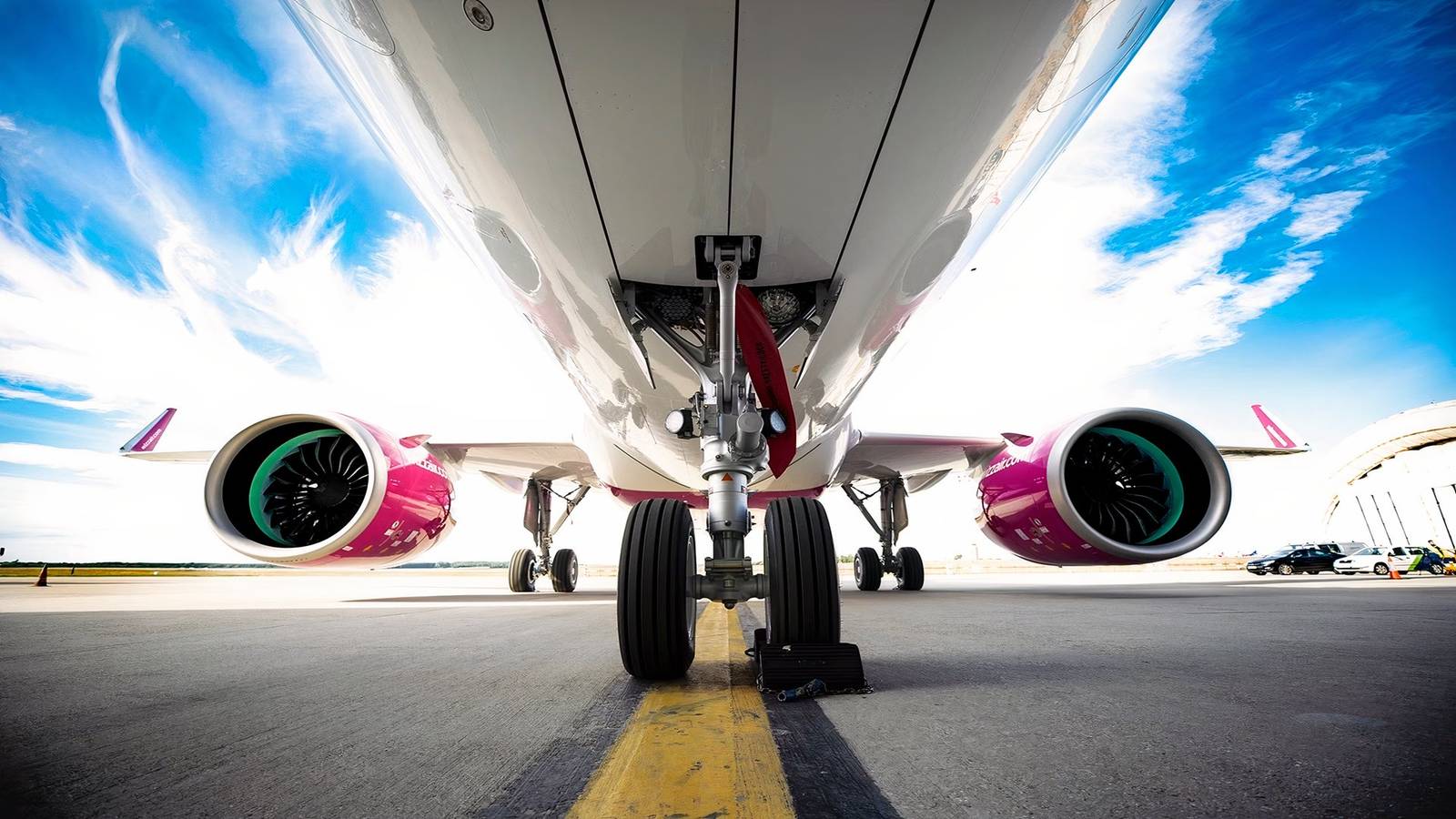
Wizz Air CEO's Surprising Take On The Airbus A321XLR
Comprehensive Summarization:
Wizz Air, once planning to acquire 47 Airbus A321XLRs, has significantly reduced its order to a maximum of 11. This decision comes after the closure of its Abu Dhabi unit and adjustments to its broader network strategy. The airline now has six A321XLRs, with three allocated to its UK unit, according to ch-aviation. The article highlights the airline’s strategic shift towards a more adaptable network, focusing on operational efficiency and network optimization rather than relying heavily on the newer, more expensive A321XLRs.
Key Points:
Actionable Takeaways:
Strategic Network Optimization: Wizz Air’s decision to reduce its A321XLR fleet to 11 highlights a strategic shift towards optimizing its network for operational efficiency. This move suggests a focus on balancing investment in newer aircraft with the need for cost-effective, flexible operations. For other airlines, this could imply a trend towards more adaptable fleet management strategies, potentially reducing capital expenditure while maintaining service quality.
Focus on Regional Operations: The retention of three A321XLRs for the UK unit indicates a strategic emphasis on regional operations. This could be indicative of a broader trend among airlines to strengthen their presence in key regional hubs, leveraging newer aircraft for high-demand routes. For airlines considering expansion or restructuring, this suggests the potential benefits of balancing long-haul and regional operations to maximize revenue and operational flexibility.
Contextual Insights:
The article reflects the ongoing evolution in the airline industry, where airlines are increasingly adopting a hybrid approach to fleet management. This involves balancing investments in newer, more technologically advanced aircraft like the A321XLR with the need for cost-effective, flexible operations. The decision to reduce the A321XLR fleet while retaining a significant number of these aircraft suggests that airlines are prioritizing operational efficiency and network optimization over sheer fleet size. This trend is particularly relevant in the context of rising fuel prices and the need for airlines to maintain competitive pricing while ensuring service reliability.
Moreover, the closure of the Abu Dhabi unit and the subsequent realignment of its network underscore the importance of strategic location decisions in airline operations. Airlines are increasingly recognizing that the efficiency and profitability of their operations are heavily influenced by the strategic placement of their hubs and routes. This contextual insight aligns with the broader travel industry trend towards data-driven decision-making, where airlines leverage analytics to optimize their networks and enhance customer experience.
Handling Different Article Types:
The article in question is a news brief, providing factual information about Wizz Air’s fleet management strategy. The structured output format ensures that the key points and actionable takeaways are clearly delineated, making it easy for readers to digest the information. For opinion pieces or feature articles, the approach would involve synthesizing the author’s viewpoint with factual data from the article, providing a balanced analysis that incorporates expert insights and industry trends.
Read the Complete Article.
Boutique Travel VC raises investment cap from $1.5M to $10M to lead rounds and support portfolio companies through growth Travel...
Read moreDetails




