
























Travel Capitalist Ventures Expands Check Size to $10 Million to Deepen Emerging Market Conviction
Boutique Travel VC raises investment cap from $1.5M to $10M to lead rounds and support portfolio companies through growth Travel...
Read moreDetails
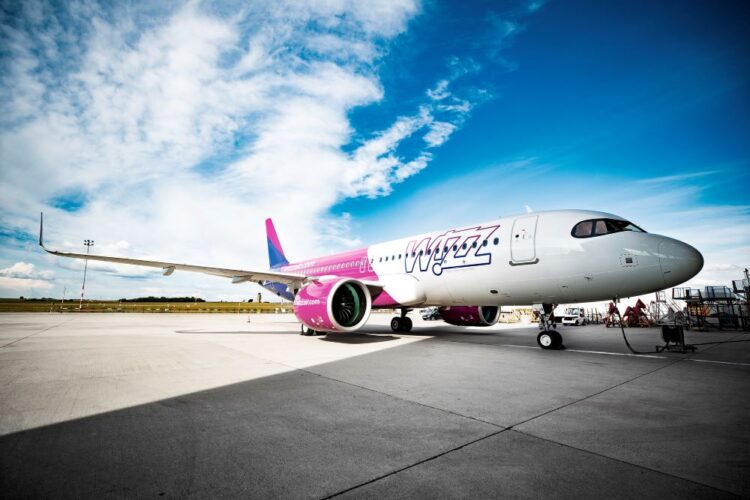
Wizz Air Unites London With Mykonos, Rhodes, Zakynthos, Chania, Bordeaux and Dortmund —Limited Fligh...
Article Summary:
Wizz Air, a leading budget airline in Europe, has announced the launch of six new routes from London Luton Airport in 2026. These routes connect the UK to four popular Greek destinations: Mykonos, Chania, Rhodes, and Bordeaux, as well as Dortmund. This expansion aims to offer travelers “limited flights to your dream European escapes at prices you can’t ignore,” marking a significant move in Wizz Air’s 2026 schedule.
Key Points:
Actionable Takeaways:
Contextual Insights:
The announcement of Wizz Air’s new routes aligns with broader trends in the travel industry, such as the growing demand for budget-friendly travel options and the increasing popularity of Greek destinations among European tourists. The airline’s strategy reflects a response to market demands for affordable, accessible travel experiences. Furthermore, the timing of this expansion in 2026 suggests that Wizz Air is positioning itself to capitalize on post-pandemic travel recovery trends, where consumers are eager to explore new destinations and seek value for money.
In the context of travel tech and fintech, this expansion could spur innovation in areas such as dynamic pricing models, seamless booking experiences, and integrated payment solutions. Startups focusing on these areas may find new opportunities to partner with or be acquired by established airlines like Wizz Air, as the airline seeks to enhance its digital offerings and customer experience.
Read the Complete Article.
Boutique Travel VC raises investment cap from $1.5M to $10M to lead rounds and support portfolio companies through growth Travel...
Read moreDetails




