



















Travel Capitalist Ventures Expands Check Size to $10 Million to Deepen Emerging Market Conviction
Boutique Travel VC raises investment cap from $1.5M to $10M to lead rounds and support portfolio companies through growth Travel...
Read moreDetails

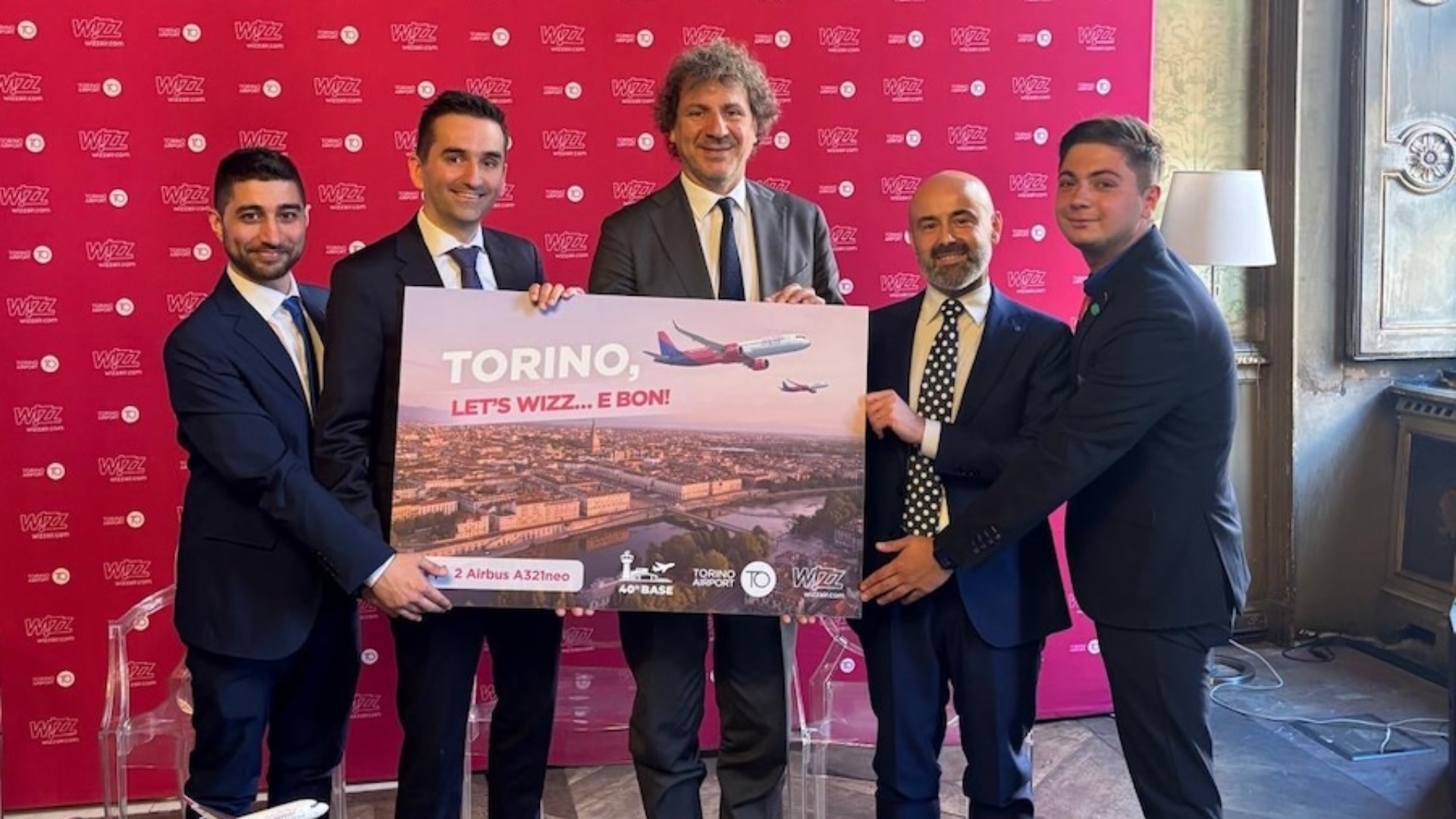
WIZZ Air to Reduce Flights from Gatwick: What This Means for Ukrainians
Article Summary:
WIZZ Air, a budget carrier founded in Budapest, is reducing its operations at Gatwick Airport, the second busiest airport in the UK. The decision is attributed to financial losses resulting from high operating costs and an unfavorable flight schedule. CEO József Váradi stated that Gatwick has become a burden on the company’s productivity. This move may signal potential changes in the airline industry, particularly for budget carriers facing similar financial challenges.
Key Points:
Actionable Takeaways:
Contextual Insights:
The reduction in WIZZ Air’s operations at Gatwick Airport reflects broader challenges faced by budget airlines in the UK market. High operating costs and competitive pressures are significant factors influencing the airline industry’s strategic decisions. This move aligns with the current trend of airlines focusing on cost efficiency and operational optimization to remain viable in a highly competitive market. As budget carriers continue to navigate financial challenges, we may see increased innovation in travel tech solutions aimed at reducing costs while maintaining service quality. Additionally, this development may encourage other airlines to explore similar cost-saving measures, potentially leading to a more streamlined and competitive aviation sector in the UK.
Read the Complete Article.
Boutique Travel VC raises investment cap from $1.5M to $10M to lead rounds and support portfolio companies through growth Travel...
Read moreDetails




