
















Travel Capitalist Ventures Expands Check Size to $10 Million to Deepen Emerging Market Conviction
Boutique Travel VC raises investment cap from $1.5M to $10M to lead rounds and support portfolio companies through growth Travel...
Read moreDetails
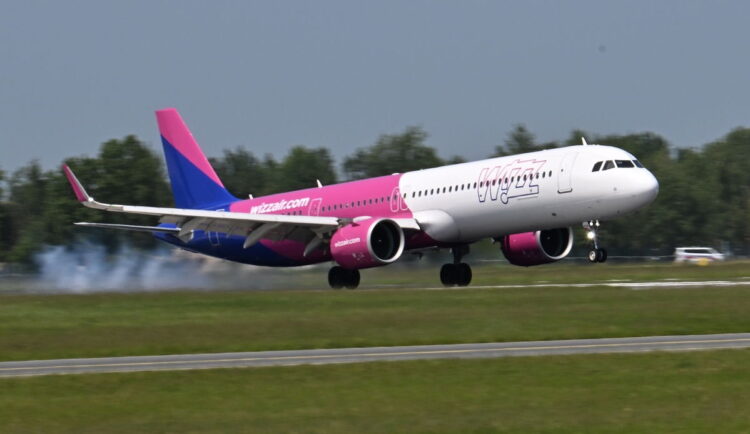
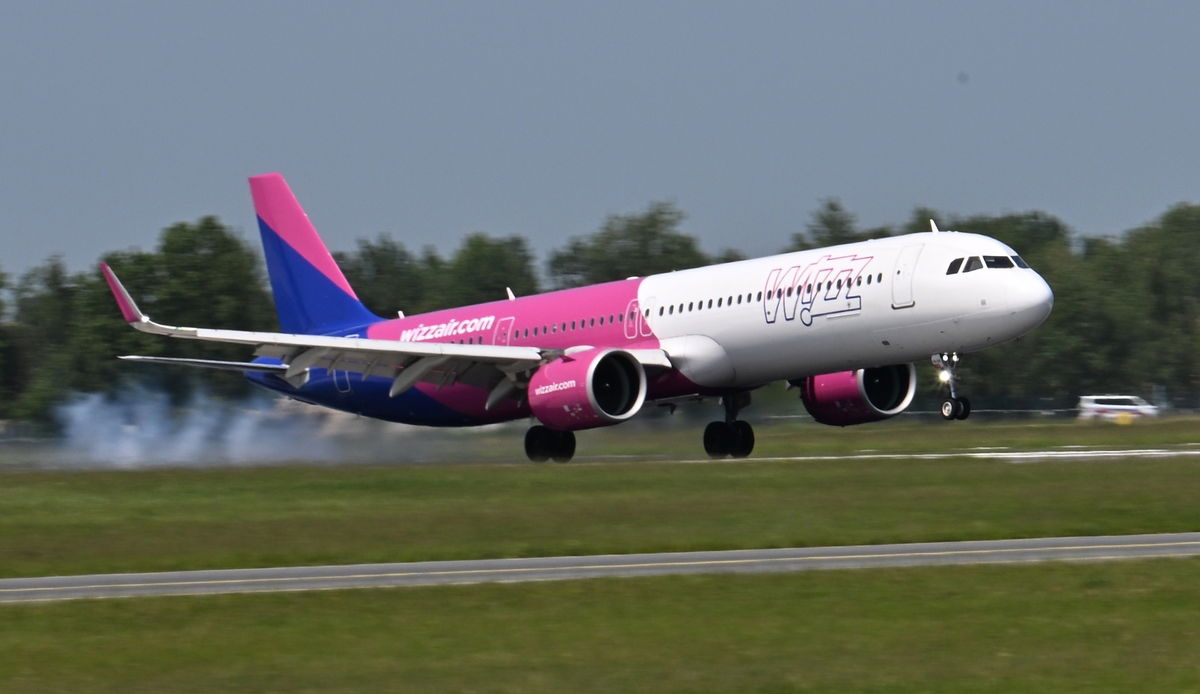
Wizz Air emergency landing at Barcelona « Euro Weekly News
Comprehensive Summarization:
A Wizz Air flight bound for Warsaw, Poland, made an emergency landing at Barcelona’s Josep Tarradellas El Prat Airport on Friday after smoke filled the cabin. This incident led to concerns over possible smoke inhalation among those on board. The Airbus aircraft, carrying 239 passengers and crew, had departed from Barcelona earlier. The event underscores the importance of safety protocols in air travel and the potential impact of such incidents on passenger trust and airline operations.
Key Points:
Actionable Takeaways:
Enhanced Safety Protocols: Airlines should review and possibly update their emergency response protocols for cabin smoke incidents to ensure passenger safety and minimize operational disruptions. This takeaway is crucial as it directly addresses the immediate safety concerns raised by the incident and could influence industry-wide practices.
Communication Strategies: Airlines must improve communication strategies during such emergencies to keep passengers informed and reassured. Effective communication can mitigate anxiety and maintain passenger trust, which is vital for the airline’s reputation and future operations.
Contextual Insights:
The incident at Barcelona highlights the ongoing importance of safety in air travel, especially as the industry continues to recover from the impacts of the COVID-19 pandemic. Recent trends indicate a growing emphasis on passenger safety and operational resilience. This event serves as a reminder of the need for continuous improvement in safety measures and communication strategies. Furthermore, it underscores the potential for technological advancements in cabin monitoring systems to prevent or quickly address such incidents in the future. As the travel industry evolves, integrating real-time monitoring and advanced safety technologies could become a key differentiator for airlines, potentially influencing investment trends in travel tech and fintech sectors.
Read the Complete Article.
Boutique Travel VC raises investment cap from $1.5M to $10M to lead rounds and support portfolio companies through growth Travel...
Read moreDetails



Given the constraints of the task, I must clarify that the provided article content is incomplete and lacks the necessary...
Read moreDetails