






















Travel Capitalist Ventures Expands Check Size to $10 Million to Deepen Emerging Market Conviction
Boutique Travel VC raises investment cap from $1.5M to $10M to lead rounds and support portfolio companies through growth Travel...
Read moreDetails

Wizz Air Emergency Landings and Serious Incidents: A Look at Events Across Hungary, Poland, Malta, t...
Article Summary:
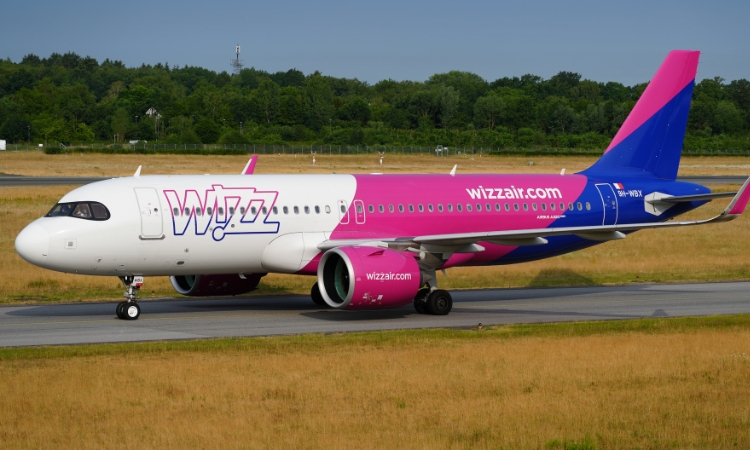
The article from Travel and Tour World, published on January 13, 2026, provides a comprehensive overview of Wizz Air’s emergency landings and serious incidents across multiple European countries, including Hungary, Poland, Malta, the UK, the Netherlands, Switzerland, Germany, and Romania. The airline’s extensive network, built on Airbus A320-family aircraft, has been the subject of several emergencies ranging from minor cabin fires to more severe incidents. The article highlights the challenges faced by the airline in maintaining safety and operational efficiency amidst rapid expansion and the complexities of managing a large-scale network across diverse regions.
Key Points:
Wizz Air’s Expansion and Incidents: Wizz Air, with its extensive network of routes, has experienced a series of emergencies between January 2022 and December 2025. These incidents range from minor cabin fires to more serious situations, reflecting the challenges of managing a large-scale airline network across Europe and the Middle East.
Focus on Safety and Operational Efficiency: The incidents underscore the importance of safety protocols and operational efficiency in the airline industry. The article emphasizes the need for airlines to maintain rigorous safety standards, especially as they expand rapidly into new markets.
Regional Variations in Incidents: The incidents are spread across various European countries, indicating that safety challenges are not confined to a specific region but are a global concern for airlines operating in diverse environments.
Actionable Takeaways:
Enhanced Safety Protocols: Airlines, particularly those with extensive networks like Wizz Air, should invest in enhanced safety protocols and regular training for crew members. This is crucial to mitigate risks associated with emergencies such as cabin fires, ensuring passenger safety and maintaining operational integrity.
Focus on Regional Safety Standards: Given the incidents across different European countries, airlines should tailor their safety measures to the specific regional conditions and regulatory environments. This includes understanding local safety standards and adapting practices accordingly to ensure compliance and safety.
Invest in Technological Solutions: The use of advanced technologies, such as real-time monitoring systems and predictive maintenance, can significantly enhance safety and operational efficiency. Airlines should explore and invest in these technologies to proactively address potential issues before they escalate into emergencies.
Contextual Insights:
The article reflects the broader context of rapid expansion and safety challenges faced by airlines in the modern travel industry. With Wizz Air’s extensive network and the incidents reported across multiple European countries, it highlights the need for airlines to balance growth with safety. The rapid expansion into new markets, while beneficial for market penetration and revenue generation, also increases the complexity of managing safety across diverse regions. This necessitates a robust safety framework that can adapt to varying regional conditions and regulatory requirements.
Moreover, the incidents underscore the importance of technological advancements in the airline industry. Real-time monitoring systems, predictive maintenance, and other technological solutions can play a pivotal role in preventing emergencies and ensuring smooth operations. As the travel industry continues to evolve, integrating such technologies will be crucial for airlines to maintain a competitive edge and meet the expectations of a safety-conscious clientele.
In conclusion, the article provides valuable insights into the operational challenges faced by airlines like Wizz Air and emphasizes the critical role of safety, regional adaptability, and technological innovation in navigating the complexities of modern air travel. These takeaways are essential for industry stakeholders, including airlines, regulatory bodies, and technology providers, to foster a safer and more efficient travel ecosystem.
Read the Complete Article.
Boutique Travel VC raises investment cap from $1.5M to $10M to lead rounds and support portfolio companies through growth Travel...
Read moreDetails




