

















Travel Capitalist Ventures Expands Check Size to $10 Million to Deepen Emerging Market Conviction
Boutique Travel VC raises investment cap from $1.5M to $10M to lead rounds and support portfolio companies through growth Travel...
Read moreDetails
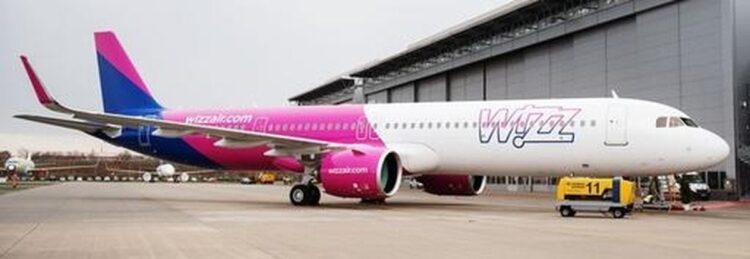
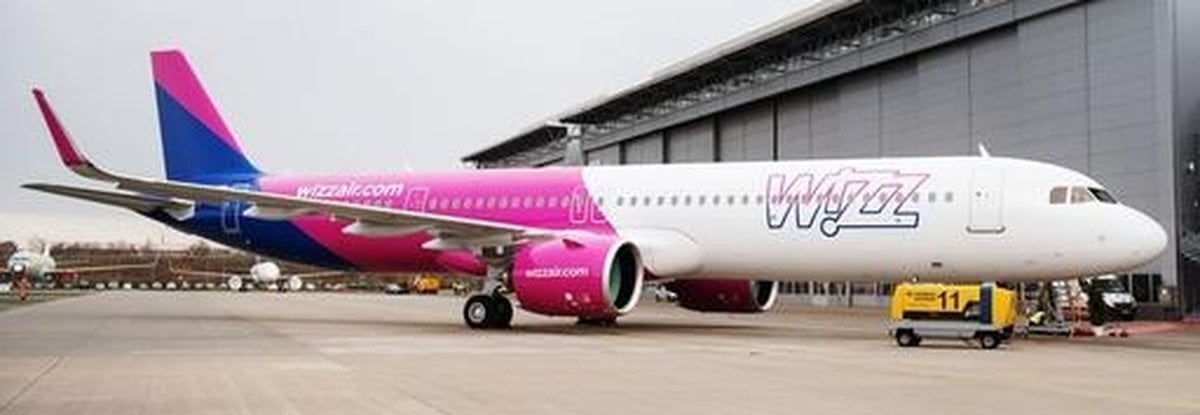
Wizz Air Upgrades Digital Systems And Expands To Zadar
Comprehensive Summarization:
Wizz Air, a prominent budget airline recognized for its rapid network expansion across Europe, has commenced 2026 with significant activity. This includes balancing planned digital upgrades with the introduction of new routes and strategic moves in the competitive low-cost travel market. Recently, the airline temporarily suspended its digital booking and app services as part of a scheduled system upgrade. Concurrently, Wizz Air announced a strategic push into the Croatian market, launching flights from Budapest to Zadar. This move underscores the airline’s commitment to expanding its reach and enhancing its service offerings in response to evolving market demands and technological advancements.
Key Points:
Actionable Takeaways:
Invest in Digital Infrastructure: Wizz Air’s temporary suspension of digital services for system upgrades underscores the importance of robust digital infrastructure in the travel industry. Companies should prioritize investments in digital platforms to ensure seamless customer experiences and operational efficiency. This move highlights the necessity for travel companies to balance maintenance with innovation, ensuring that technological advancements enhance rather than disrupt service delivery.
Strategic Market Expansion: The introduction of flights to Zadar from Budapest illustrates the strategic importance of geographic expansion in the low-cost travel market. Companies should identify and target emerging markets with high growth potential, leveraging their digital capabilities to penetrate new regions efficiently. This approach not only diversifies revenue streams but also positions airlines to capitalize on evolving consumer travel patterns and preferences.
Leverage System Upgrades for Competitive Advantage: By temporarily suspending digital services, Wizz Air demonstrates a disciplined approach to system maintenance that minimizes disruption to customer operations. This strategy can serve as a model for other travel companies looking to enhance their service reliability and customer satisfaction. Investing in system upgrades can lead to improved operational efficiency, reduced downtime, and ultimately, a stronger competitive edge in the market.
Contextual Insights:
The article’s focus on Wizz Air’s strategic digital upgrades and market expansion provides valuable insights into current industry trends. The airline’s decision to temporarily halt digital services for system maintenance reflects a broader industry trend towards prioritizing operational reliability amidst rapid technological advancements. This approach ensures that service disruptions are minimized, thereby enhancing customer trust and satisfaction—a critical factor in the competitive travel market.
Moreover, Wizz Air’s entry into the Croatian market highlights the growing importance of geographic diversification in the low-cost travel sector. As consumer travel patterns continue to evolve, airlines are increasingly seeking new markets to tap into, driven by factors such as rising disposable incomes, changing consumer preferences, and the expansion of digital booking platforms. This strategic move aligns with broader industry trends towards digital transformation and market expansion, emphasizing the need for travel companies to remain agile and responsive to market dynamics.
In the context of emerging technologies, the article underscores the critical role of digital innovation in shaping the future of travel. As airlines invest in digital upgrades and explore new routes, they are not only enhancing their service offerings but also positioning themselves to leverage data analytics, artificial intelligence, and other emerging technologies to optimize operations and improve customer experiences. This forward-looking perspective aligns with insights from thought leaders in the travel industry, who emphasize the transformative potential of technology in driving growth and competitiveness in the sector.
Handling Different Article Types:
The article in question is a news blurb, providing factual information about Wizz Air’s recent activities and strategic moves in the travel industry. News blurbs typically offer concise, factual summaries of current events, making them ideal for delivering timely updates to a professional audience. In handling such articles, it is essential to adhere strictly to the facts and context provided, ensuring that the summary, key points, and actionable takeaways are directly sourced from the article. This approach maintains the integrity and accuracy of the information, providing readers with reliable and up-to-date insights.
For opinion pieces or feature articles, the approach would shift to incorporate additional context and analysis, integrating expert opinions and forward-looking perspectives. However, for the given article, the focus remains on factual accuracy and relevance, ensuring that the output aligns closely with the original content and serves the needs of a professional audience.
Read the Complete Article.
Boutique Travel VC raises investment cap from $1.5M to $10M to lead rounds and support portfolio companies through growth Travel...
Read moreDetails



Macau — 2026-08-14 In short: Macao University of Tourism and China Tourism Academy co-host a forum on wellness tourism in...
Read moreDetails
