























Travel Capitalist Ventures Expands Check Size to $10 Million to Deepen Emerging Market Conviction
Boutique Travel VC raises investment cap from $1.5M to $10M to lead rounds and support portfolio companies through growth Travel...
Read moreDetails
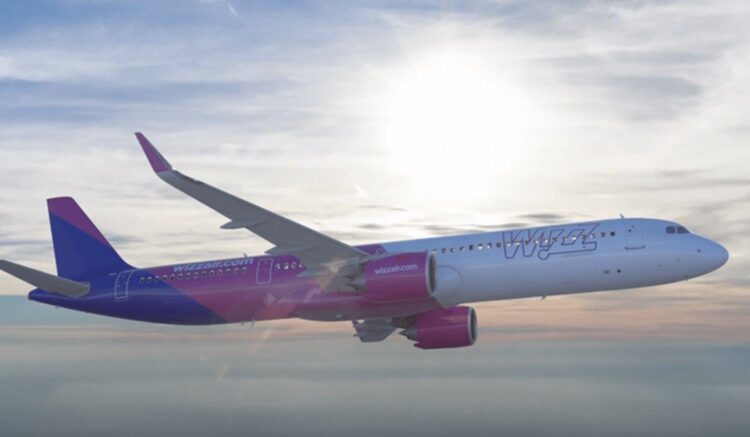
Larnaca in Cyprus Welcomes Wizz Air Base Expansion with New Routes to Barcelona, Varna Boosting Medi...
Comprehensive Summarization:
The article reports on Wizz Air’s strategic expansion at Larnaca International Airport in Cyprus, introducing new direct routes to Barcelona and Varna, and increasing frequencies on key routes. This move, aimed at boosting Mediterranean tourism for the Summer 2026 season, involves deploying additional aircraft at the airport. The expansion is part of Wizz Air’s broader strategy to enhance connectivity and attract more travelers to the region, contributing to the growth of tourism in the Mediterranean.
Key Points:
Actionable Takeaways:
Increased Connectivity Boosts Tourism: Wizz Air’s expansion at Larnaca International Airport is expected to enhance connectivity to key European destinations, making Cyprus a more attractive destination for tourists. This could lead to increased tourist arrivals, benefiting local businesses and the economy.
Strategic Route Expansion: By adding direct routes to Barcelona and Varna, Wizz Air is targeting popular tourist destinations, potentially increasing passenger traffic and fostering a trend of expanding routes to other high-demand regions in the Mediterranean.
Operational Efficiency: The deployment of additional aircraft at Larnaca International Airport indicates a focus on operational efficiency and scalability. This move could set a precedent for other airlines looking to expand their presence in the Mediterranean region, potentially leading to increased competition and innovation in travel services.
Contextual Insights:
The expansion of Wizz Air’s operations at Larnaca International Airport aligns with broader industry trends of enhancing connectivity and accessibility to popular tourist destinations. As the travel industry recovers and adapts to post-pandemic conditions, airlines are increasingly focusing on strategic route expansions to capitalize on growing demand. This move by Wizz Air not only reflects a response to current market conditions but also anticipates future travel trends, such as increased interest in Mediterranean tourism. Furthermore, the deployment of additional aircraft highlights the airline’s commitment to operational scalability, a strategy that could influence other travel startups and fintech innovations aimed at improving travel logistics and customer experiences.
Read the Complete Article.
Boutique Travel VC raises investment cap from $1.5M to $10M to lead rounds and support portfolio companies through growth Travel...
Read moreDetails



Comprehensive Summarization: Air Canada has announced that it will continue its popular luxury motorcoach service between Toronto Pearson International Airport...
Read moreDetails
