
















Travel Capitalist Ventures Expands Check Size to $10 Million to Deepen Emerging Market Conviction
Boutique Travel VC raises investment cap from $1.5M to $10M to lead rounds and support portfolio companies through growth Travel...
Read moreDetails
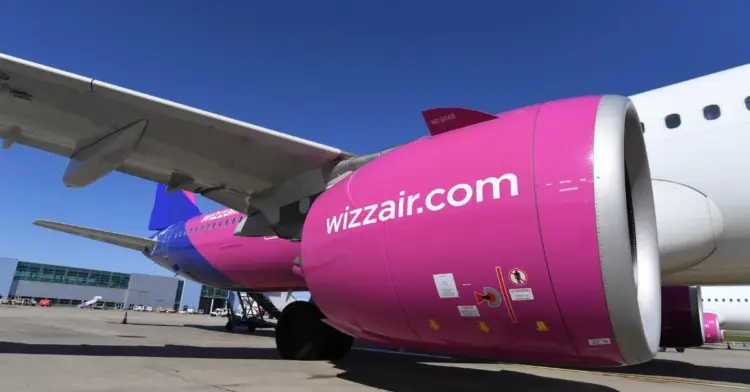
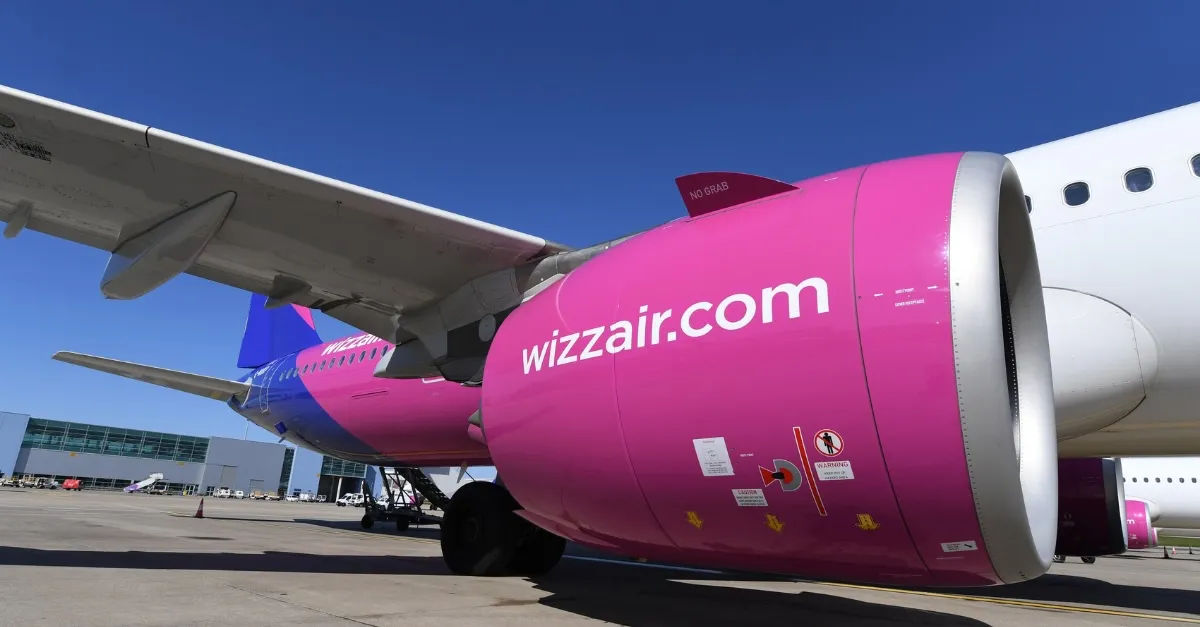
Wizz Air reacts to Middle East conflict restrictions by adding Red Sea flights
Comprehensive Summarization:
Wizz Air is increasing the frequency of flights between Luton Airport and Sharm El Sheikh, following the suspension of services to and from Israel, Dubai, Abu Dhabi, Amman, and Saudi Arabia due to the ongoing regional military conflict. The suspension of these flights is set to continue until March 7, 2024. The airline’s decision to adjust operations is a response to the recent regional airspace restrictions resulting from the escalation of security situations in the Middle East. The article does not provide additional insights or trends beyond the immediate operational changes and the reasons behind them.
Key Points:
Actionable Takeaways:
Operational Adjustment in Response to Regional Conflict: Wizz Air’s decision to increase flight frequency between Luton and Sharm El Sheikh, while suspending services to conflict-affected regions, demonstrates a strategic operational adjustment in response to geopolitical events. This approach highlights the airline’s commitment to maintaining operational efficiency and passenger safety amidst volatile regional conditions. It underscores the importance of flexible scheduling in travel planning, especially in regions prone to conflict, and could serve as a model for other airlines facing similar challenges.
Impact on Travel Planning and Market Dynamics: The suspension of flights to and from conflict zones is likely to have significant implications for travel planning and market dynamics. Travelers may need to reconsider their itineraries, opting for alternative routes or destinations. This shift could impact the demand for flights to and from conflict-affected regions, potentially benefiting airlines that offer services to safer destinations. It also emphasizes the need for travel agencies and booking platforms to provide real-time updates and alternative routing options to travelers, ensuring they can make informed decisions in the face of evolving security situations.
Contextual Insights:
The article reflects the ongoing challenges faced by the travel industry in navigating geopolitical tensions and security concerns. The suspension of flights to and from conflict zones is a direct response to the escalating security situation in the Middle East, a recurring issue that has impacted the travel industry for years. This context highlights the importance of real-time monitoring of geopolitical developments and their potential impact on travel operations. It also underscores the role of technology in facilitating flexible travel planning, such as dynamic routing options and real-time updates on flight availability and restrictions. As the travel industry continues to evolve, the ability to adapt operations swiftly in response to external factors will be crucial for airlines seeking to maintain operational efficiency and passenger trust. The insights from this article align with broader trends in the travel industry, such as the increasing importance of safety and security in travel planning and the need for agile, responsive operations in the face of geopolitical uncertainties.
Read the Complete Article.
Boutique Travel VC raises investment cap from $1.5M to $10M to lead rounds and support portfolio companies through growth Travel...
Read moreDetails



Comprehensive Summarization: VINCI Airports has reaffirmed its commitment to collaborating with the Royal Government of Cambodia to further develop the...
Read moreDetails