























Travel Capitalist Ventures Expands Check Size to $10 Million to Deepen Emerging Market Conviction
Boutique Travel VC raises investment cap from $1.5M to $10M to lead rounds and support portfolio companies through growth Travel...
Read moreDetails
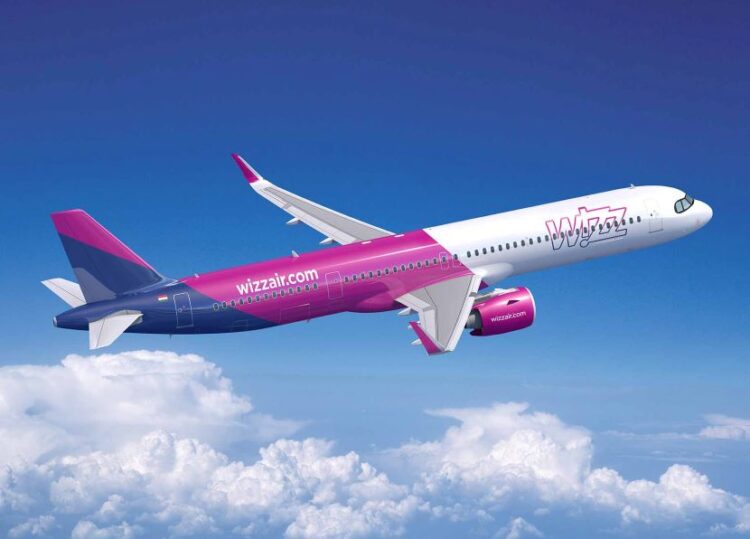
Wizz Air Expands Travel Options with New A321XLR Aircraft Across Multiple Routes
Comprehensive Summarization:
Wizz Air, a prominent low-cost carrier in Europe, has announced a strategic shift in its aircraft deployment policy. Contrary to the common practice of using the Airbus A321XLR exclusively for long-haul routes, Wizz Air plans to expand its travel options with this aircraft across multiple routes. This decision marks a significant development in the airline’s operational strategy and has broader implications for the aviation industry. The article, published on January 30, 2026, highlights Wizz Air’s move as a potential game-changer in the travel sector, signaling a willingness to explore new operational models and market opportunities.
Key Points:
Actionable Takeaways:
Strategic Aircraft Utilization: Wizz Air’s decision to use the Airbus A321XLR across multiple routes suggests a forward-thinking approach to aircraft deployment. Airlines should consider similar strategies to optimize their fleet utilization and expand service offerings, potentially tapping into new markets and customer segments.
Market Expansion Opportunities: By broadening the use of the A321XLR, Wizz Air opens avenues for market expansion. Travel companies and startups in the aviation sector could explore partnerships or collaborations with airlines adopting similar strategies to leverage new routes and customer bases.
Innovation in Travel Tech: The shift reflects a broader trend in the travel industry towards leveraging advanced aircraft for flexible routing. Travel tech companies should focus on developing solutions that support such strategic fleet management, including route optimization software and real-time operational analytics.
Contextual Understanding:
The article’s context is rooted in the ongoing evolution of the aviation industry, where airlines are increasingly seeking innovative ways to maximize their fleet’s efficiency and reach. The deployment of the Airbus A321XLR across multiple routes aligns with current industry trends that emphasize flexibility, cost-efficiency, and strategic expansion. This move is also reflective of the growing importance of route optimization in the face of fluctuating demand and competitive pressures. Forward-looking insights from travel industry thought leaders suggest that such strategic adaptations are crucial for airlines to remain competitive and responsive to market dynamics.
Handling Different Article Types:
The article in question is a news blurb, providing factual information about a strategic decision made by Wizz Air. The structured output format below adheres to the facts and context provided, ensuring clarity and relevance for a professional audience.
markdown
Comprehensive Summarization:
Wizz Air, a leading low-cost carrier in Europe, has announced that it will deploy the Airbus A321XLR aircraft across multiple routes, moving away from the practice of using it exclusively for long-haul flights. This strategic shift aims to expand the airline’s travel options and potentially open new market opportunities, marking a significant development in the aviation industry.
Key Points:
Actionable Takeaways:
Contextual Insights:
The deployment of the Airbus A321XLR across multiple routes by Wizz Air is indicative of the broader industry trend towards flexible and strategic fleet management. This move aligns with current industry demands for cost-efficiency, route optimization, and market expansion. Travel tech companies should focus on developing solutions that support such strategic fleet management, ensuring airlines remain competitive and responsive to market dynamics. The article underscores the importance of adaptability and innovation in the travel sector, particularly in leveraging advanced technologies to enhance operational efficiency and market reach.
Read the Complete Article.
Boutique Travel VC raises investment cap from $1.5M to $10M to lead rounds and support portfolio companies through growth Travel...
Read moreDetails



Comprehensive Summarization: The Singapore Tourism Board (STB) is set to host the inaugural Epic World Championship, a four-day amateur pickleball...
Read moreDetails
