





















Travel Capitalist Ventures Expands Check Size to $10 Million to Deepen Emerging Market Conviction
Boutique Travel VC raises investment cap from $1.5M to $10M to lead rounds and support portfolio companies through growth Travel...
Read moreDetails
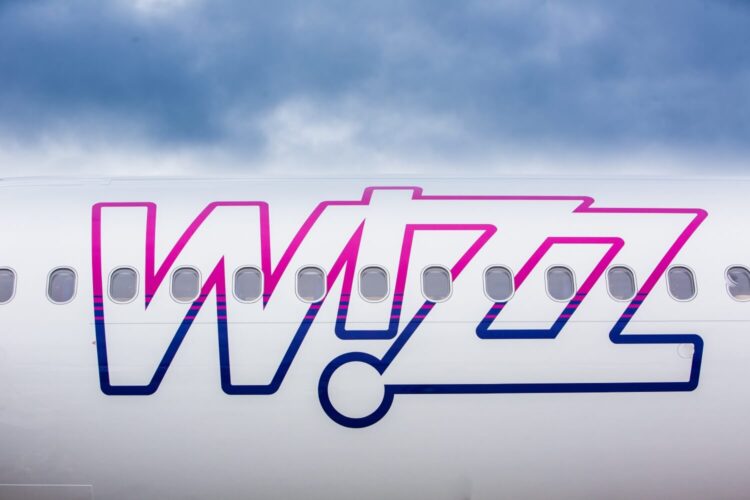
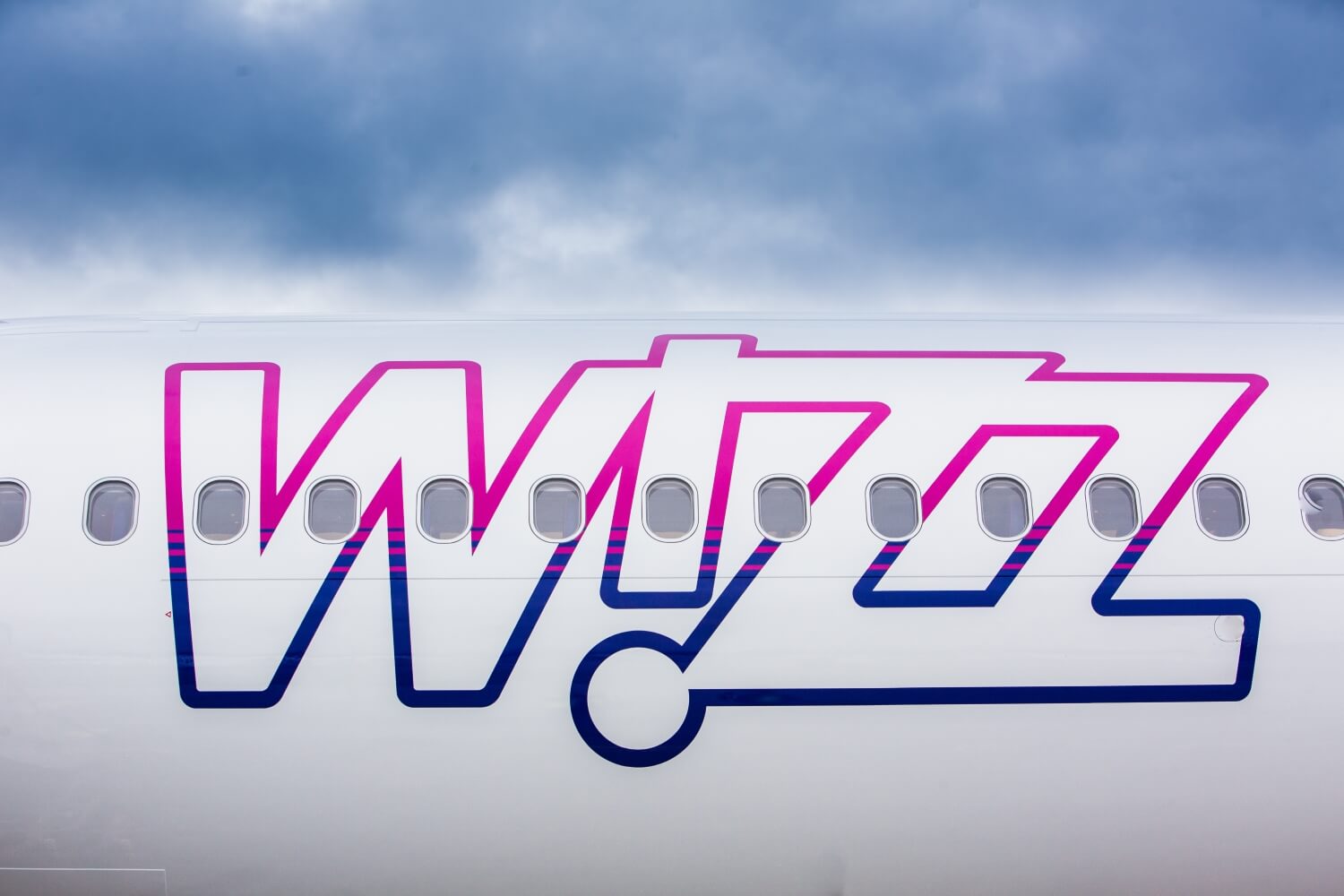
Wizz Air extends contract with Aeroplex
Article Summary:
Wizz Air and Aeroplex have entered into a new long-term agreement for the airline’s line maintenance support in Budapest. Under the 3+2-year contract, Aeroplex will provide ongoing line maintenance services for the Wizz Air fleet based at Budapest Ferenc Liszt International Airport until February 2031. Aeroplex’s dedicated team will deliver daytime technical support and perform nightly inspections up to high-level maintenance tasks to ensure aircraft are in optimal condition.
Key Points:
Actionable Takeaways:
Contextual Insights:
The agreement between Wizz Air and Aeroplex reflects a broader trend in the travel industry towards long-term strategic partnerships aimed at enhancing operational efficiency and service quality. As the travel industry continues to evolve, with increasing emphasis on safety, reliability, and customer experience, such agreements become more critical. The focus on nighttime inspections aligns with the growing emphasis on predictive maintenance, a trend driven by advancements in technology and data analytics. This approach not only ensures the safety and reliability of aircraft but also optimizes maintenance schedules, reducing costs and improving operational efficiency. For travel startups and fintech innovators, this case study underscores the importance of forming strategic alliances to leverage expertise and resources, thereby enhancing service offerings and market competitiveness.
Read the Complete Article.
Boutique Travel VC raises investment cap from $1.5M to $10M to lead rounds and support portfolio companies through growth Travel...
Read moreDetails




