









No products in the cart.
- Latest
- Trending

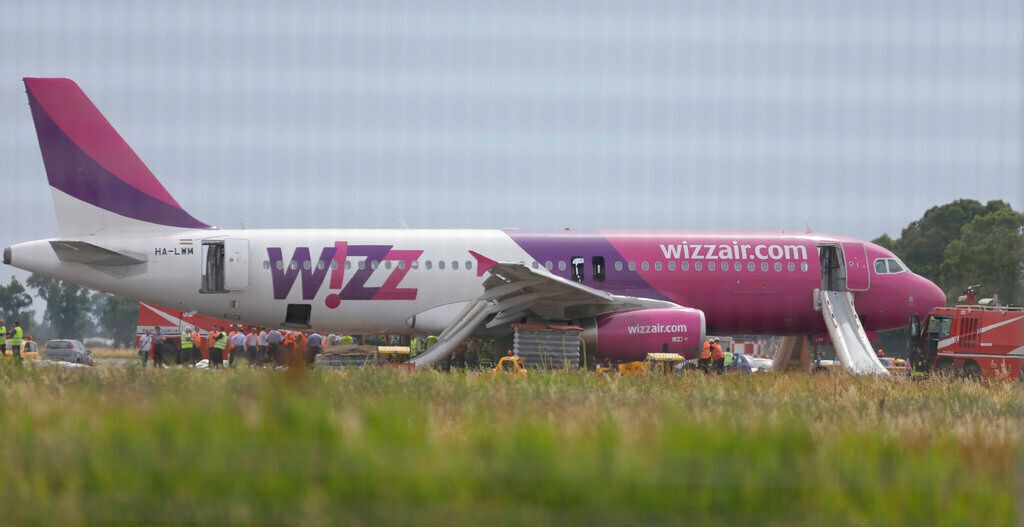
Lowcost airline, Wizz Air, airplaneAP Photo/Alessandra Tarantino
Comprehensive Summarization:
Following the war with Iran, low-cost carrier Wizz Air announced on Tuesday that it is extending the suspension of its flights to and from Israel until April 20. This decision is part of a broader trend where several other international airlines, including Delta Air Lines and United Airlines, have also prolonged their cancellations. Delta Air Lines stated it will not resume service to Israel until May 31, while United Airlines extended its suspension through June 15. Additionally, easyJet announced it will not return to Israel until at least the end of October. The article also includes a video analysis of the political impact of the Iran war in Israel, highlighting the significant disruptions in travel and the broader implications for the travel industry.
Key Points:
Actionable Takeaways:
Resumption of Travel Services: Airlines are carefully assessing the safety and political stability of the region before resuming flights to and from Israel. This cautious approach reflects the broader trend of airlines prioritizing passenger safety and regulatory compliance in volatile geopolitical environments. The extended suspensions indicate a potential shift in travel patterns, with passengers and businesses reevaluating their travel plans in light of geopolitical tensions.
Impact on Travel Demand: The prolonged suspensions of flights to Israel by major airlines like Wizz Air, Delta Air Lines, United Airlines, and easyJet are likely to impact travel demand in the region. This could lead to increased demand for alternative routes and destinations, prompting airlines and travel agencies to innovate and offer new travel solutions. Travel tech companies may see an opportunity to develop platforms that help travelers navigate these disruptions and find suitable alternatives.
Contextual Insights:
The article’s context is deeply rooted in the current geopolitical situation, specifically the war with Iran, which has had a significant impact on travel to and from Israel. This situation underscores the volatility of the travel industry, where external events can lead to rapid changes in travel policies and operational decisions. The extended suspensions by major airlines highlight the industry’s sensitivity to geopolitical risks and the need for robust contingency planning. Furthermore, the inclusion of a video analysis on the political impact of the Iran war in Israel provides a forward-looking perspective on how such events can shape long-term travel trends. As the travel industry continues to evolve, understanding and adapting to these geopolitical shifts will be crucial for stakeholders, including airlines, travel agencies, and technology providers. The article also touches on broader travel trends, such as the increasing reliance on technology for travel planning and the growing importance of fintech solutions in managing travel expenses and bookings. These insights suggest that the industry is moving towards greater resilience and adaptability, leveraging technology to mitigate the impacts of geopolitical uncertainties.
Read the Complete Article.
Get curated travel AI insights — choose the newsletters that matter to you.
ALTOUR Expands into Thailand, Strengthening Corporate Travel Network Across Southeast Asia BANGKOK, THAILAND (25 March, 2026) – ALTOUR, a leading...
Read moreDetails


Comprehensive Summarization: Following the war with Iran, low-cost carrier Wizz Air announced on Tuesday that it is extending the suspension...
Read moreDetails