




















Travel Capitalist Ventures Expands Check Size to $10 Million to Deepen Emerging Market Conviction
Boutique Travel VC raises investment cap from $1.5M to $10M to lead rounds and support portfolio companies through growth Travel...
Read moreDetails
Comprehensive Summarization:
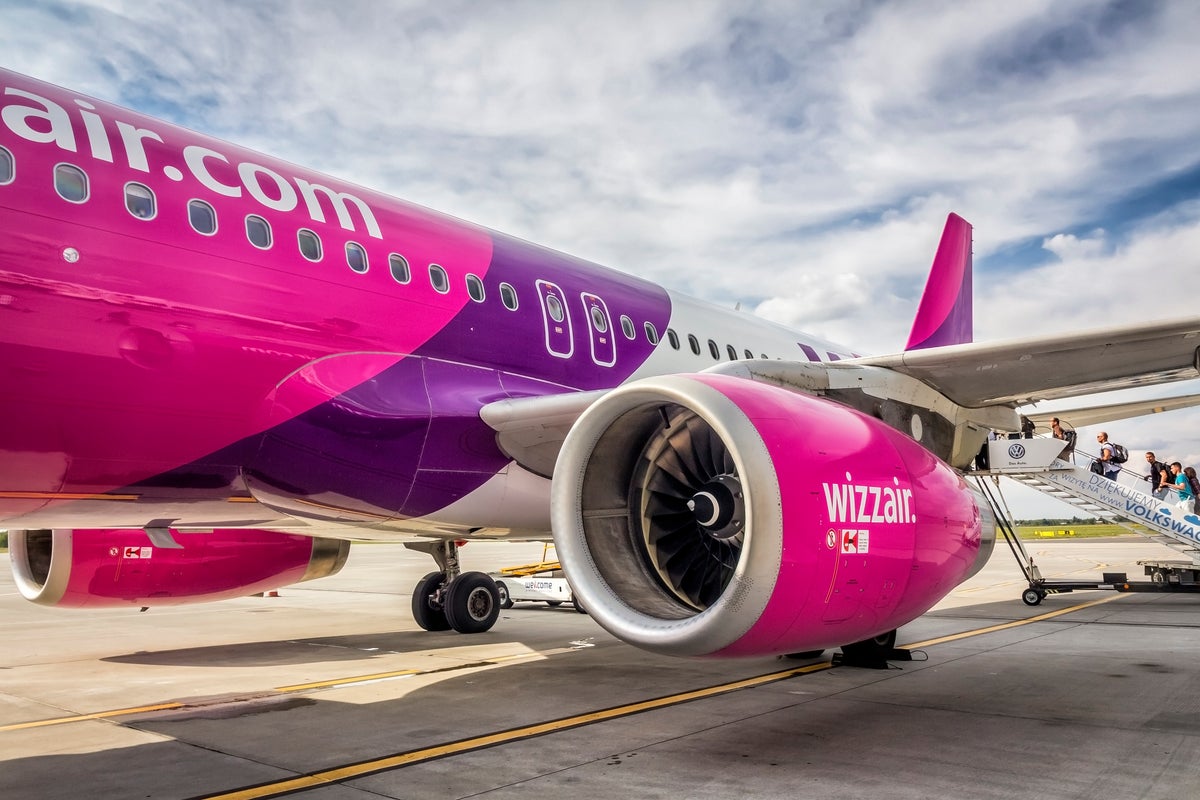
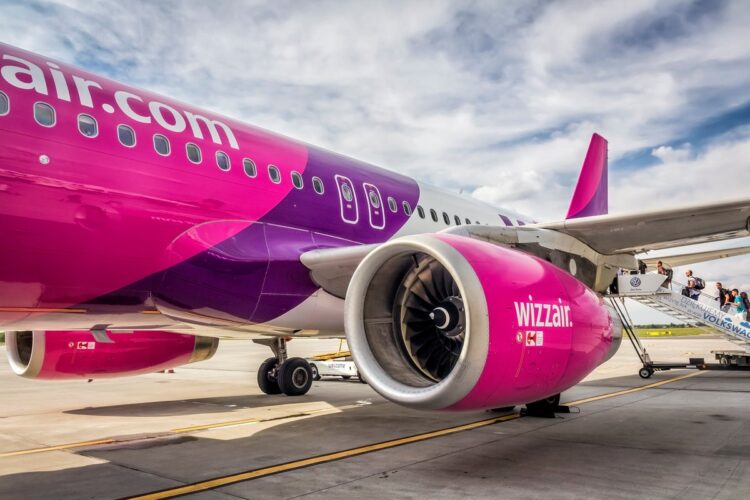
The article reports on a significant incident involving a Wizz Air flight from Poznań–Ławica Henryk Wieniawski Airport in Poland to London Luton Airport. The flight, identified as WUK1KM, was forced to divert and make an emergency landing at Amsterdam’s Schiphol Airport due to a “technical issue.” This resulted in the evacuation of over 200 passengers, causing a nine-hour delay. The incident highlights the challenges faced by airlines in maintaining operational efficiency and passenger safety, especially when technical problems arise during international flights.
Key Points:
Actionable Takeaways:
Enhanced Technical Maintenance Protocols: Airlines should invest in advanced technical maintenance protocols and real-time monitoring systems to quickly identify and resolve potential issues before they lead to flight diversions. This can help minimize passenger inconvenience and operational delays.
Improved Emergency Response Coordination: Strengthening coordination between airlines, emergency services, and airport authorities can enhance the efficiency of evacuations and minimize delays. This includes pre-planned response strategies and shared communication channels to ensure a swift and organized evacuation process.
Contextual Insights:
The incident reflects broader trends in the travel industry, where technical issues can have significant impacts on passenger safety and operational efficiency. Recent advancements in aviation technology, such as predictive maintenance and AI-driven diagnostics, are becoming increasingly important in preventing such disruptions. The article also highlights the critical role of emergency services in managing such situations, emphasizing the need for seamless collaboration between different stakeholders in the travel ecosystem. As the industry continues to evolve, innovations in travel tech and fintech are likely to play a crucial role in enhancing operational resilience and passenger experience.
Read the Complete Article.
Boutique Travel VC raises investment cap from $1.5M to $10M to lead rounds and support portfolio companies through growth Travel...
Read moreDetails



Comprehensive Summarization: The article from the Nepal Police's Central Investigation Bureau (CIB) reveals one of the largest insurance frauds in...
Read moreDetails
