






















Travel Capitalist Ventures Expands Check Size to $10 Million to Deepen Emerging Market Conviction
Boutique Travel VC raises investment cap from $1.5M to $10M to lead rounds and support portfolio companies through growth Travel...
Read moreDetails
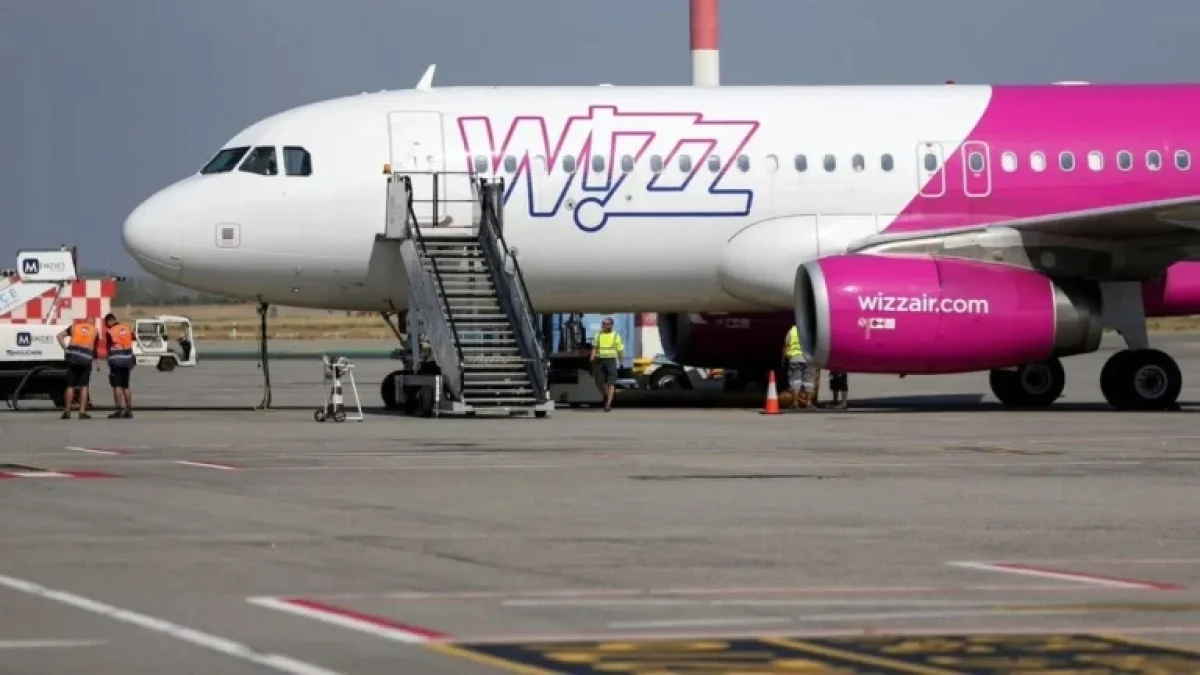
Fighter Jets Escort Wizz Air Flight Safely to Ben-Gurion
Comprehensive Summarization:
The article reports a security incident involving a Wizz Air flight that was escorted safely to Ben-Gurion Airport, Israel, following a threatening message sent by a passenger. The message, which included a WiFi account name altered to “terrorist” in Hebrew and Arabic, raised concerns about potential threats to the aircraft. Another passenger attempted to connect to the WiFi, indicating that the threat was not realized. This incident underscores the importance of vigilant security measures and rapid response protocols in the travel industry, particularly in the context of evolving security threats and technological vulnerabilities.
Key Points:
Actionable Takeaways:
Enhanced Security Protocols: Implementing advanced monitoring systems for WiFi and other onboard communication channels can help detect and mitigate potential threats early. This proactive approach aligns with current industry trends towards enhanced security measures in air travel.
Rapid Response Training: Travel industry professionals should undergo regular training on security protocols and emergency response procedures. This ensures that staff are prepared to handle security incidents efficiently, as demonstrated by the safe handling of the Wizz Air flight in the article.
Technological Innovation in Travel Security: Investing in cutting-edge technologies for real-time threat detection and response can significantly enhance air travel security. This trend reflects the growing importance of technology in addressing security challenges within the travel sector.
Contextual Insights:
The incident highlights the ongoing challenges in ensuring air travel security in an era where digital communication tools can be exploited for malicious purposes. It reflects a broader trend in the travel industry towards integrating advanced technologies to bolster security measures. Thought leaders in the travel sector emphasize the importance of balancing security with passenger convenience, suggesting that innovations in security technologies must be user-friendly to avoid compromising the travel experience. The article also aligns with current industry trends focusing on the role of fintech in enhancing security, such as the use of biometric authentication and secure payment systems, which can be applied to prevent security threats both on and off the flight.
Read the Complete Article.
Boutique Travel VC raises investment cap from $1.5M to $10M to lead rounds and support portfolio companies through growth Travel...
Read moreDetails



Comprehensive Summarization: Atlys, a visa processing platform founded in 2021 by Mohak Nahta, has announced its first Employee Stock Ownership...
Read moreDetails
