




















Travel Capitalist Ventures Expands Check Size to $10 Million to Deepen Emerging Market Conviction
Boutique Travel VC raises investment cap from $1.5M to $10M to lead rounds and support portfolio companies through growth Travel...
Read moreDetails
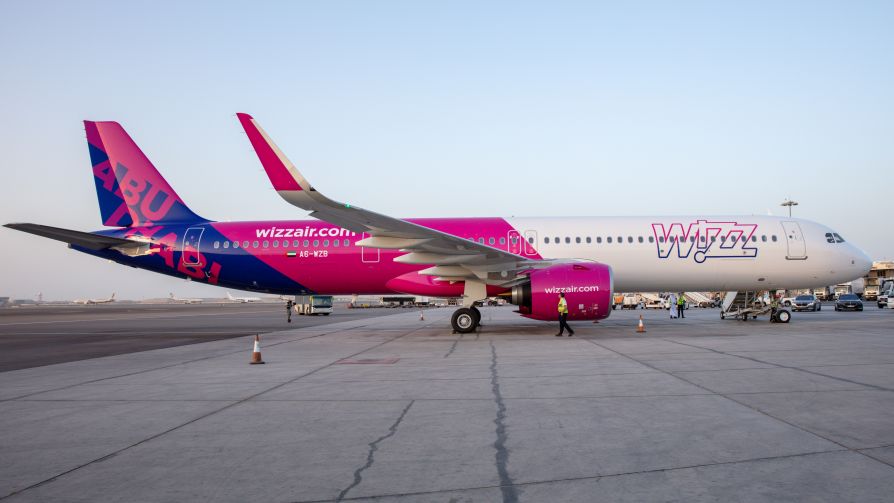
A Wizz Air Flight W95301, an Airbus A321neo, Scrambled After Threat, Mary Go Around Talks Impact of ...
Comprehensive Summarization:
On February 8, 2026, a Wizz Air Flight W95301, an Airbus A321neo, traveling from London, UK to Tel Aviv, Israel, encountered a security threat when a “threatening message” was reported mid-flight. In response, Israeli Air Force fighter jets escorted the aircraft. This incident highlights the heightened scrutiny of aviation safety in the Middle East, particularly in light of the ongoing tensions between Iran, America, and Israel. The event underscores the critical role of air defense systems and the need for robust security protocols in international air travel, especially in regions with geopolitical tensions.
Key Points:
Actionable Takeaways:
Enhanced Security Protocols in Air Travel: The incident underscores the necessity for airlines and airports to continually review and enhance their security measures, particularly in regions with geopolitical tensions. Implementing real-time threat detection systems and collaborating with regional defense forces can mitigate risks and ensure passenger safety.
Impact on Travel Insurance and Risk Management: Travel insurance providers may need to reassess their coverage policies for flights operating in high-risk regions. Offering enhanced coverage options for security-related incidents could be a strategic move, aligning with the growing demand for comprehensive travel protection in volatile markets.
Contextual Insights:
The incident with Wizz Air Flight W95301 is a stark reminder of the evolving dynamics in international air travel, especially in regions fraught with geopolitical tensions. The heightened security measures, such as fighter jet escort, reflect a broader trend of increased vigilance in the aviation sector. This context is crucial for understanding the current state of travel safety and the industry’s response to emerging threats. As geopolitical tensions persist, the travel industry must adapt by investing in advanced security technologies and fostering stronger collaborations between airlines, defense agencies, and regulatory bodies. This proactive approach not only ensures passenger safety but also builds trust among travelers, which is vital for the sustained growth of the travel sector. Furthermore, the event highlights the importance of fintech innovations in travel, such as secure payment systems and digital insurance solutions, which can provide travelers with peace of mind during their journeys.
Read the Complete Article.
Boutique Travel VC raises investment cap from $1.5M to $10M to lead rounds and support portfolio companies through growth Travel...
Read moreDetails



Comprehensive Summarization: Atlys, a visa processing platform founded in 2021 by Mohak Nahta, has announced its first Employee Stock Ownership...
Read moreDetails
