



















Travel Capitalist Ventures Expands Check Size to $10 Million to Deepen Emerging Market Conviction
Boutique Travel VC raises investment cap from $1.5M to $10M to lead rounds and support portfolio companies through growth Travel...
Read moreDetails
Wizz Air counts the cost of Gulf conflict – The Armchair Trader
Comprehensive Summarization:
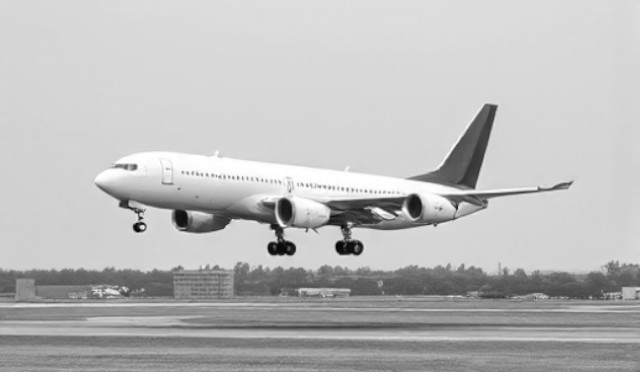
Wizz Air’s shares have experienced a significant decline of over a third in the past month due to investor concerns over the airline’s exposure to geopolitical tensions, escalating fuel costs, and a more fragile earnings outlook. The sell-off has been particularly pronounced given Wizz Air’s high exposure to the Middle East, a region experiencing conflict that has adversely affected the airline industry globally. The article underscores the challenges faced by budget carriers in navigating volatile market conditions and the broader economic pressures impacting the travel sector.
Key Points:
Actionable Takeaways:
Diversification of Routes and Markets: Given the heightened geopolitical risks, airlines like Wizz Air should consider diversifying their route networks and expanding into less volatile markets to mitigate exposure to conflict zones. This strategy could enhance resilience and stabilize earnings, as suggested by the article’s focus on Wizz Air’s regional exposure.
Cost Management and Fuel Efficiency: The rise in fuel costs is a critical factor in the airline’s financial strain. Implementing advanced fuel-efficient technologies and optimizing flight operations could help airlines reduce operational costs. This takeaway is directly relevant to the current travel industry context, where fuel price volatility significantly impacts profitability.
Investment in Digital Transformation: The article does not explicitly mention digital transformation, but the broader context of travel tech innovations suggests that airlines should invest in digital platforms to enhance customer experience and operational efficiency. This could include implementing advanced booking systems, improving in-flight services through technology, and leveraging data analytics for better decision-making.
Contextual Insights:
The decline in Wizz Air’s share price reflects the broader challenges faced by the travel industry in the current geopolitical climate. The Middle East conflict has intensified investor concerns about the stability and profitability of airlines operating in high-risk regions. This situation underscores the importance of risk management strategies in the travel sector, particularly for budget carriers that often operate with thinner profit margins.
Moreover, the article’s focus on fuel costs highlights the ongoing volatility in energy markets and its direct impact on airline operations. As fuel prices fluctuate, airlines must adapt by investing in sustainable aviation technologies and exploring alternative energy sources to reduce costs and enhance sustainability. This aligns with the growing trend of integrating green technologies in the travel industry, as highlighted by thought leaders in travel tech and sustainability.
In conclusion, the article provides a clear picture of the challenges faced by Wizz Air and the broader travel industry. By focusing on strategic diversification, cost management, and digital transformation, airlines can navigate these challenges more effectively and position themselves for long-term success in a volatile market environment.
Read the Complete Article.
Boutique Travel VC raises investment cap from $1.5M to $10M to lead rounds and support portfolio companies through growth Travel...
Read moreDetails



Comprehensive Summarization: The article discusses the tightening of safety rules in Laos' tourism sector following a series of incidents involving...
Read moreDetails
