
























Travel Capitalist Ventures Expands Check Size to $10 Million to Deepen Emerging Market Conviction
Boutique Travel VC raises investment cap from $1.5M to $10M to lead rounds and support portfolio companies through growth Travel...
Read moreDetails
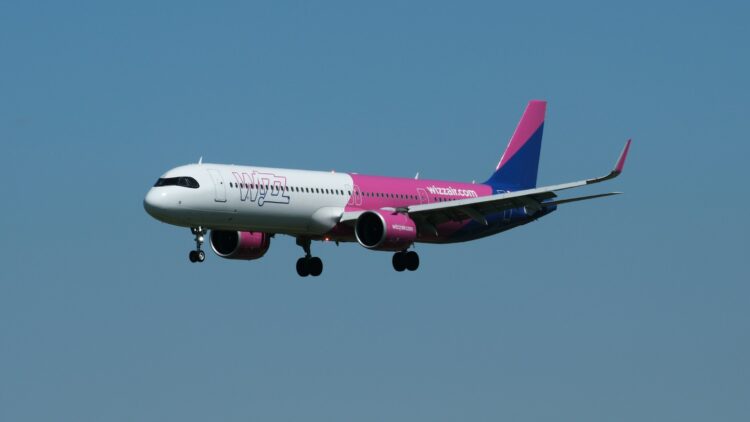
A Wizz Air A321neo on approach to land. Photo: Sevcan Alkan/Unsplash.
Article Summary:
Wizz Air has introduced its first direct flight service between Tallinn and Budapest, establishing a new route that operates three times a week. This marks the first time the Estonian capital has been directly connected to Hungary’s capital by regular flights. The service, launched on December 11, offers a flight duration of two hours and 20 minutes. Tallinn Airport highlighted the significance of this route addition, noting Budapest’s status as a well-established travel destination.
Key Points:
Actionable Takeaways:
Contextual Insights:
The introduction of direct flights between Tallinn and Budapest is a notable development in the travel industry, reflecting broader trends of increased connectivity and accessibility. In recent years, there has been a growing emphasis on improving air travel options to boost tourism and economic activity. This route addition aligns with the industry’s focus on leveraging technology to enhance travel experiences and streamline operations. Furthermore, it underscores the importance of strategic partnerships and collaborations within the travel ecosystem, including between airlines, airports, and travel technology providers. As the travel industry continues to evolve, such innovations are likely to play a crucial role in shaping future growth and competitiveness.
Read the Complete Article.
Boutique Travel VC raises investment cap from $1.5M to $10M to lead rounds and support portfolio companies through growth Travel...
Read moreDetails




