






















Travel Capitalist Ventures Expands Check Size to $10 Million to Deepen Emerging Market Conviction
Boutique Travel VC raises investment cap from $1.5M to $10M to lead rounds and support portfolio companies through growth Travel...
Read moreDetails
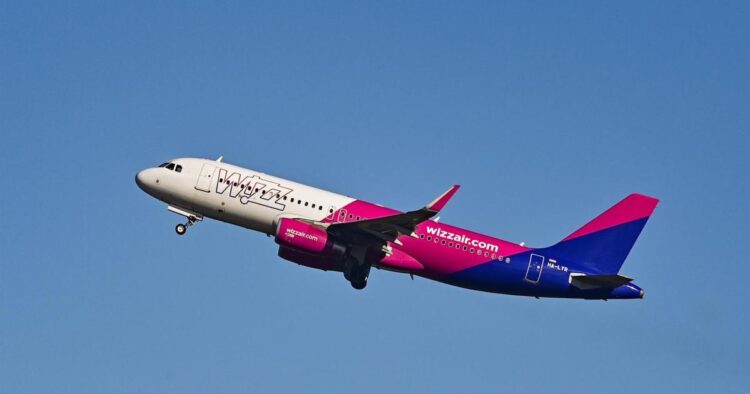
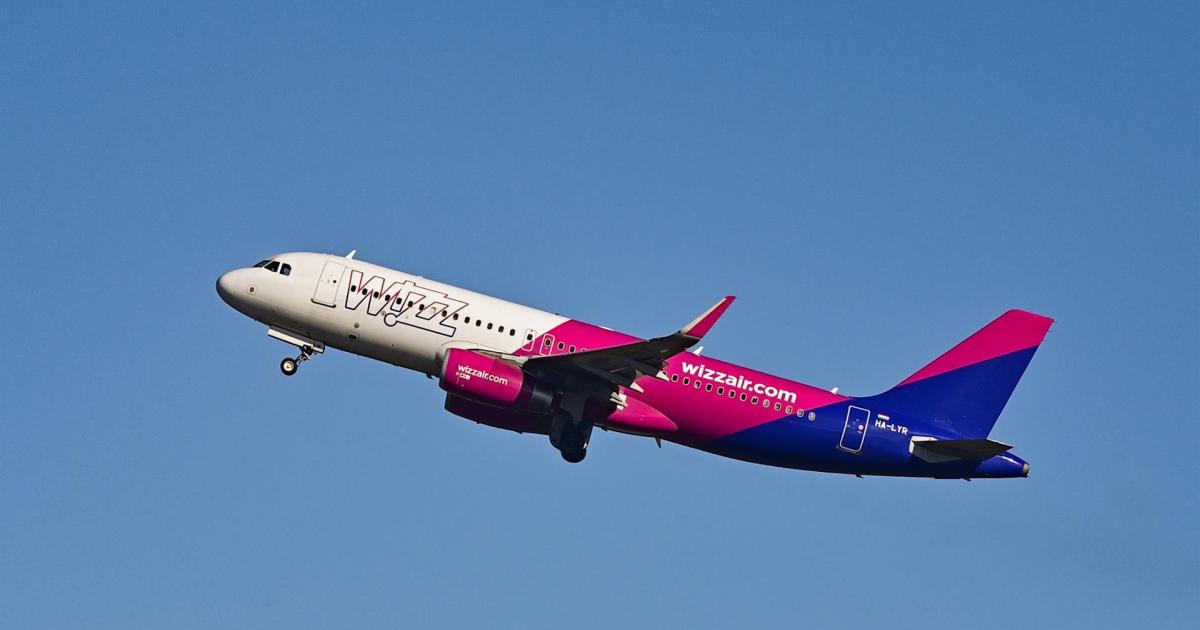
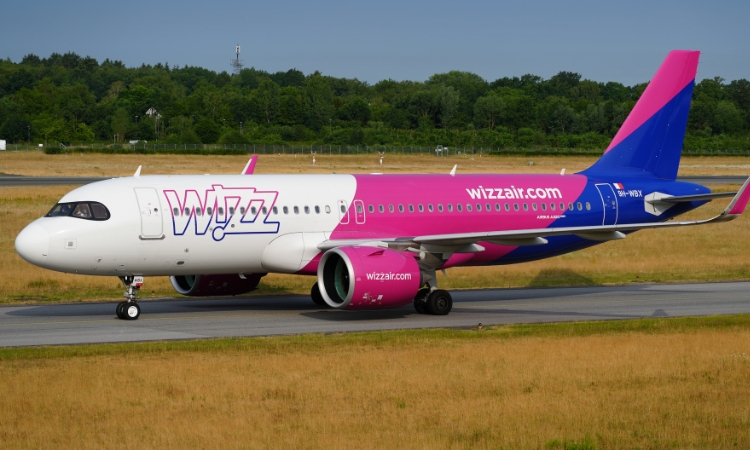
Wizz Air adds direct flights between Palma to Naples from May
Article Summary:
Wizz Air has announced three new routes from Spain to Italy and Bulgaria for the summer season, expanding its network in Southern Europe. The new services include direct flights from Palma to Naples and Bilbao to Milan Malpensa, as well as Santander to Sofia. The first route, Santander to Sofia, will commence on March 31, 2026, with twice-weekly flights on Tuesdays and Saturdays, offering introductory fares.
Key Points:
Actionable Takeaways:
Contextual Insights:
The expansion of Wizz Air’s network in Southern Europe aligns with broader industry trends towards increased connectivity and competition in the travel sector. Recent years have seen a surge in low-cost carriers and budget airlines, driven by technological advancements and changing consumer preferences for affordable travel options. This trend is supported by thought leaders who highlight the importance of strategic route planning and competitive pricing in capturing market share and driving industry growth.
Moreover, the introduction of new routes reflects the ongoing evolution of travel technology, where airlines leverage digital platforms to optimize operations and enhance customer experience. As the travel industry continues to adapt to post-pandemic demands for safety, flexibility, and value, innovations like Wizz Air’s new routes underscore the sector’s resilience and adaptability. The focus on Southern Europe also highlights the region’s growing appeal as a travel destination, driven by factors such as favorable weather conditions, cultural attractions, and economic opportunities, further emphasizing the strategic importance of this market expansion.
Read the Complete Article.
Boutique Travel VC raises investment cap from $1.5M to $10M to lead rounds and support portfolio companies through growth Travel...
Read moreDetails




