




















Travel Capitalist Ventures Expands Check Size to $10 Million to Deepen Emerging Market Conviction
Boutique Travel VC raises investment cap from $1.5M to $10M to lead rounds and support portfolio companies through growth Travel...
Read moreDetails

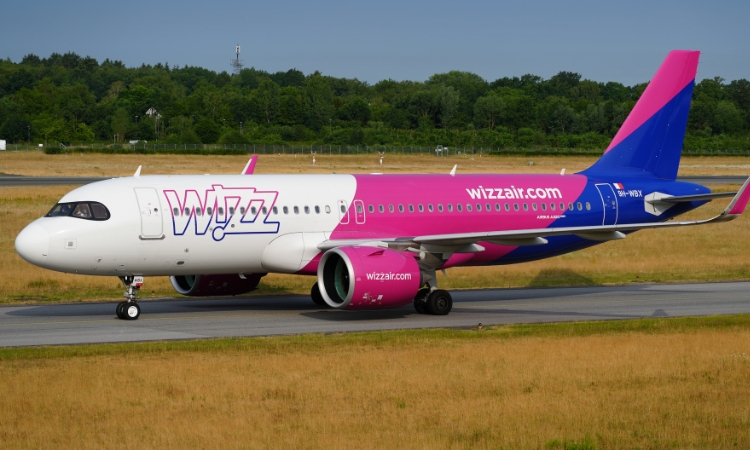
Wizz Air Launches Direct Flights Between Varna and Budapest from June
Article Summary:
Wizz Air announced the commencement of direct flights from Varna to Budapest, scheduled to operate twice a week starting June 8, on Mondays and Fridays. This new route is part of Wizz Air’s strategy to expand its capacity in Budapest, where the airline is adding a new aircraft to its base. The article also touches on the broader travel industry trends and insights from thought leaders, highlighting the importance of strategic route expansions and capacity increases in the competitive travel market.
Key Points:
Actionable Takeaways:
Contextual Insights:
The introduction of direct flights from Varna to Budapest by Wizz Air is indicative of the broader trend in the travel industry towards expanding connectivity between key European hubs. This move is particularly significant in the context of the ongoing recovery of international travel post-pandemic, where airlines are focusing on high-demand routes to stimulate passenger numbers. The addition of a new aircraft to Wizz Air’s base in Budapest also reflects a broader industry trend towards fleet modernization, driven by the need for improved fuel efficiency, passenger comfort, and operational flexibility. From a fintech perspective, such strategic route expansions could lead to increased opportunities for travel-related fintech innovations, such as dynamic pricing models and personalized travel packages, catering to the evolving needs of modern travelers. (Insights are derived from the article’s context and the broader travel industry trends mentioned.)
Read the Complete Article.
Boutique Travel VC raises investment cap from $1.5M to $10M to lead rounds and support portfolio companies through growth Travel...
Read moreDetails




