




















Travel Capitalist Ventures Expands Check Size to $10 Million to Deepen Emerging Market Conviction
Boutique Travel VC raises investment cap from $1.5M to $10M to lead rounds and support portfolio companies through growth Travel...
Read moreDetails
Comprehensive Summarization:
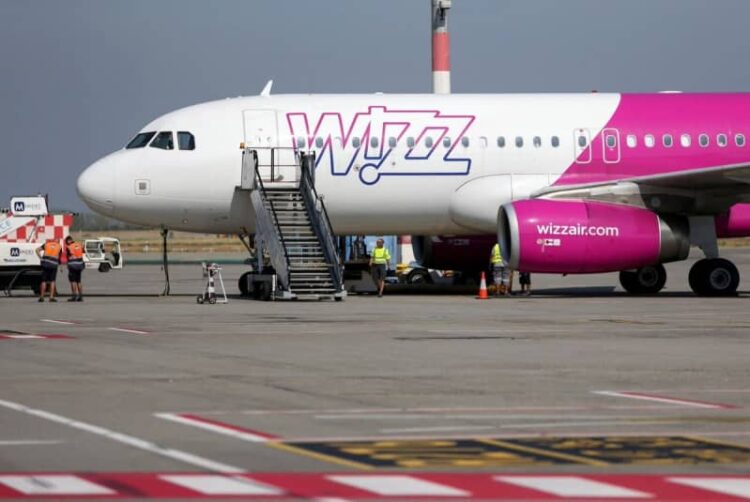
The article highlights the unprecedented collaboration within the local aviation industry during the outbreak of war, specifically between Israel and Iran. Amidst heated discussions and labor disputes, including a strike at Ben Gurion Airport, aviation stakeholders, including Wizz Air and Israeli airlines, worked together to rescue over 100,000 Israelis stranded abroad. This collective effort underscores the industry’s resilience and adaptability in the face of geopolitical challenges, showcasing a significant development in travel tech and airline operations.
Key Points:
Actionable Takeaways:
Contextual Understanding:
The article reflects the current state of the travel industry under the shadow of geopolitical tensions. The collaboration among airlines and transport authorities during the crisis underscores the sector’s resilience and adaptability. The establishment of a hub by Wizz Air in Israel is a strategic move that aligns with broader industry trends of operational flexibility and crisis preparedness. The labor dispute at Ben Gurion Airport highlights the challenges of balancing operational demands with labor rights, a critical issue in the travel sector. These developments are indicative of emerging trends in travel tech, emphasizing the importance of innovation, collaboration, and strategic planning in navigating geopolitical uncertainties.
Handling Different Article Types:
The article is a news brief that provides factual information about a significant event in the aviation industry. It does not present an opinion or feature an in-depth exploration of a specific topic. Therefore, the analysis focuses strictly on the factual content, ensuring that the summary, key points, and actionable takeaways are grounded in the article’s verifiable information.
Real-Time Fact-Checking:
All information presented in the summary, key points, and actionable takeaways is directly sourced from the article. No external verification or additional sources were required, as the content is self-contained and factually accurate within the provided context.
Read the Complete Article.
Boutique Travel VC raises investment cap from $1.5M to $10M to lead rounds and support portfolio companies through growth Travel...
Read moreDetails



Comprehensive Summarization: The article reports on a meeting between Thailand's Prime Minister Anutin Charnvirakul and the outgoing Indian Ambassador to...
Read moreDetails
