



![[At one go] There was no reverse sweep Korean Air 'Champ Up With Winning Game 5'](https://images.traveltrade.today/wp-content/uploads/2026/04/Korean-Air-Triumphs-in-Game-5-Reverse-Sweep-Victory.jpg)


















Travel Capitalist Ventures Expands Check Size to $10 Million to Deepen Emerging Market Conviction
Boutique Travel VC raises investment cap from $1.5M to $10M to lead rounds and support portfolio companies through growth Travel...
Read moreDetails
Comprehensive Summarization:
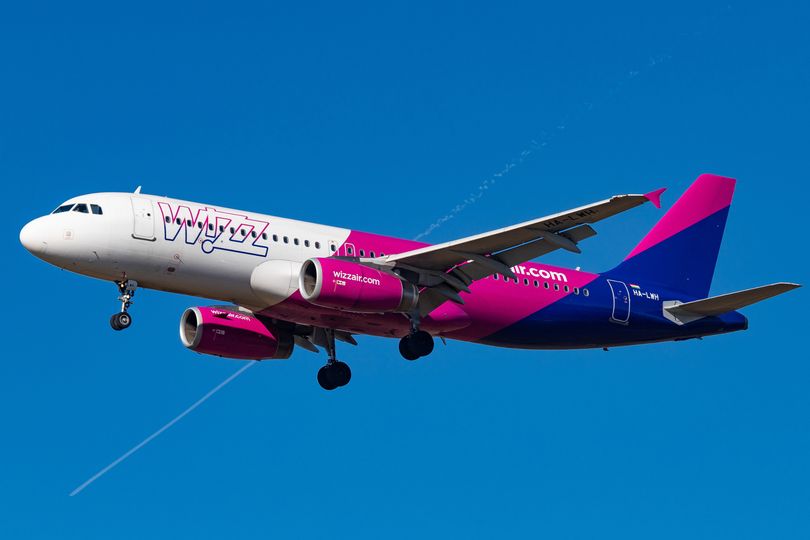
The article reports on an incident involving a Wizz Air flight (W95301) from Luton to Ben-Gurion Airport in Tel Aviv, Israel, where the flight’s crew scrambled fighter jets due to security concerns. The trigger for this response was the appearance of “threatening messages” on screens aboard the aircraft, which prompted cabin crew to alert Israeli security authorities. The incident highlights the evolving nature of aviation security, particularly in the context of digital threats and passenger behavior, and underscores the importance of rapid response mechanisms in air travel.
Key Points:
Actionable Takeaways:
Enhanced Cybersecurity Measures in Aviation: The incident underscores the necessity for airlines to invest in advanced cybersecurity measures to protect against digital threats that could compromise passenger safety. This includes monitoring digital communications onboard and having protocols in place for rapid response to potential threats.
Rapid Response Protocols: The article highlights the importance of having swift and effective response protocols in place for security incidents on flights. Airlines should ensure that their crew is well-trained to handle such situations, including the ability to coordinate with ground security authorities promptly.
Integration of Digital Threat Monitoring Systems: Given the rise of digital threats, integrating systems that can monitor and alert onboard crew to suspicious activities, such as unauthorized changes to WiFi hotspots, could enhance overall aviation security. This could involve leveraging AI and machine learning technologies to detect anomalies in real-time.
Contextual Insights:
The incident reflects broader trends in the travel industry towards heightened security measures, particularly in the wake of increasing digital threats. As technology becomes more integrated into air travel, the potential for digital disruptions and security risks grows. This necessitates a proactive approach to security, combining traditional aviation safety protocols with modern cybersecurity solutions. The incident also highlights the importance of international cooperation in aviation security, as incidents can have global implications. Furthermore, it points to the growing role of technology in travel, where innovations in digital security could become a competitive differentiator for airlines and airports.
Read the Complete Article.
Boutique Travel VC raises investment cap from $1.5M to $10M to lead rounds and support portfolio companies through growth Travel...
Read moreDetails



European hotel investment shrugged off uncertainty in 2025, with deal flow holding firm across all four quarters despite a challenging...
Read moreDetails
