






















Travel Capitalist Ventures Expands Check Size to $10 Million to Deepen Emerging Market Conviction
Boutique Travel VC raises investment cap from $1.5M to $10M to lead rounds and support portfolio companies through growth Travel...
Read moreDetails
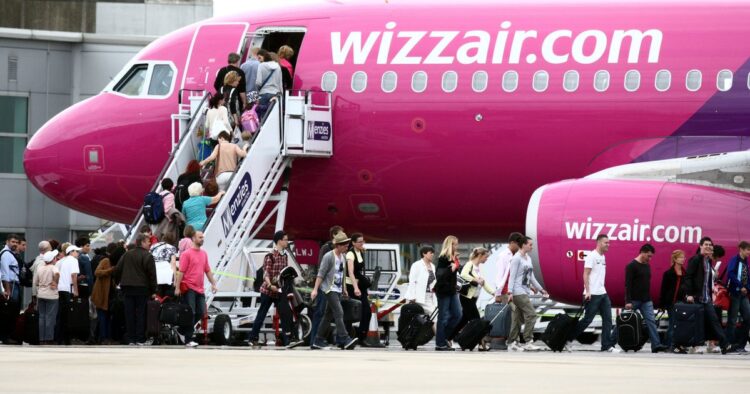
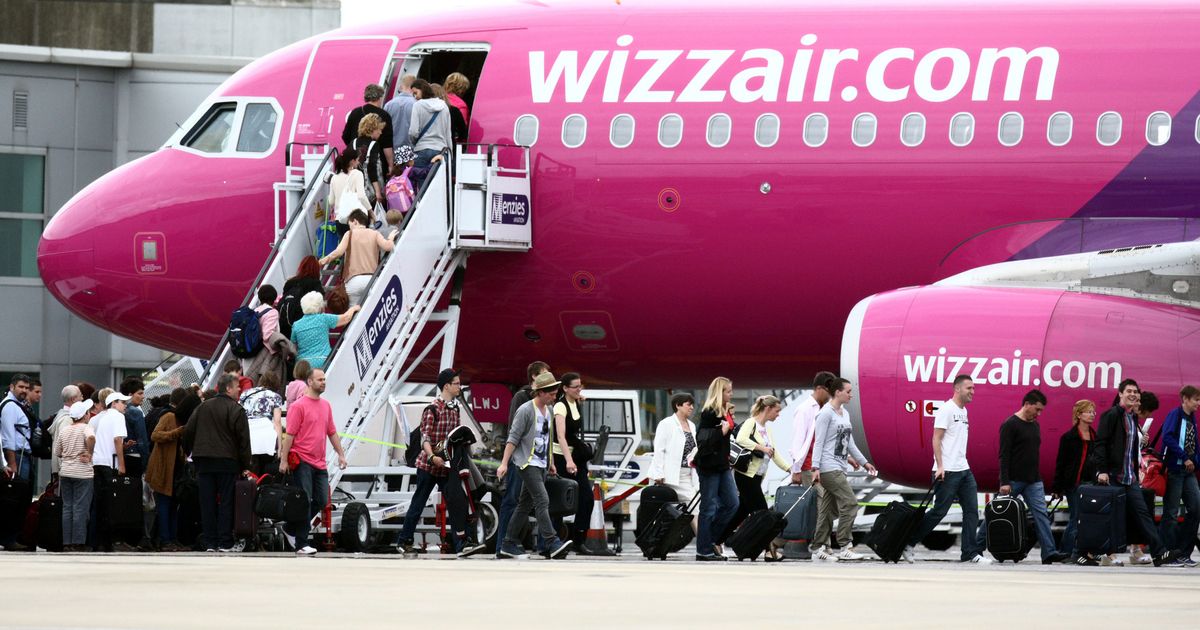
Wizz Air has launched new flight routes with prices starting from just £22.99(Image: PA)
Article Summary:
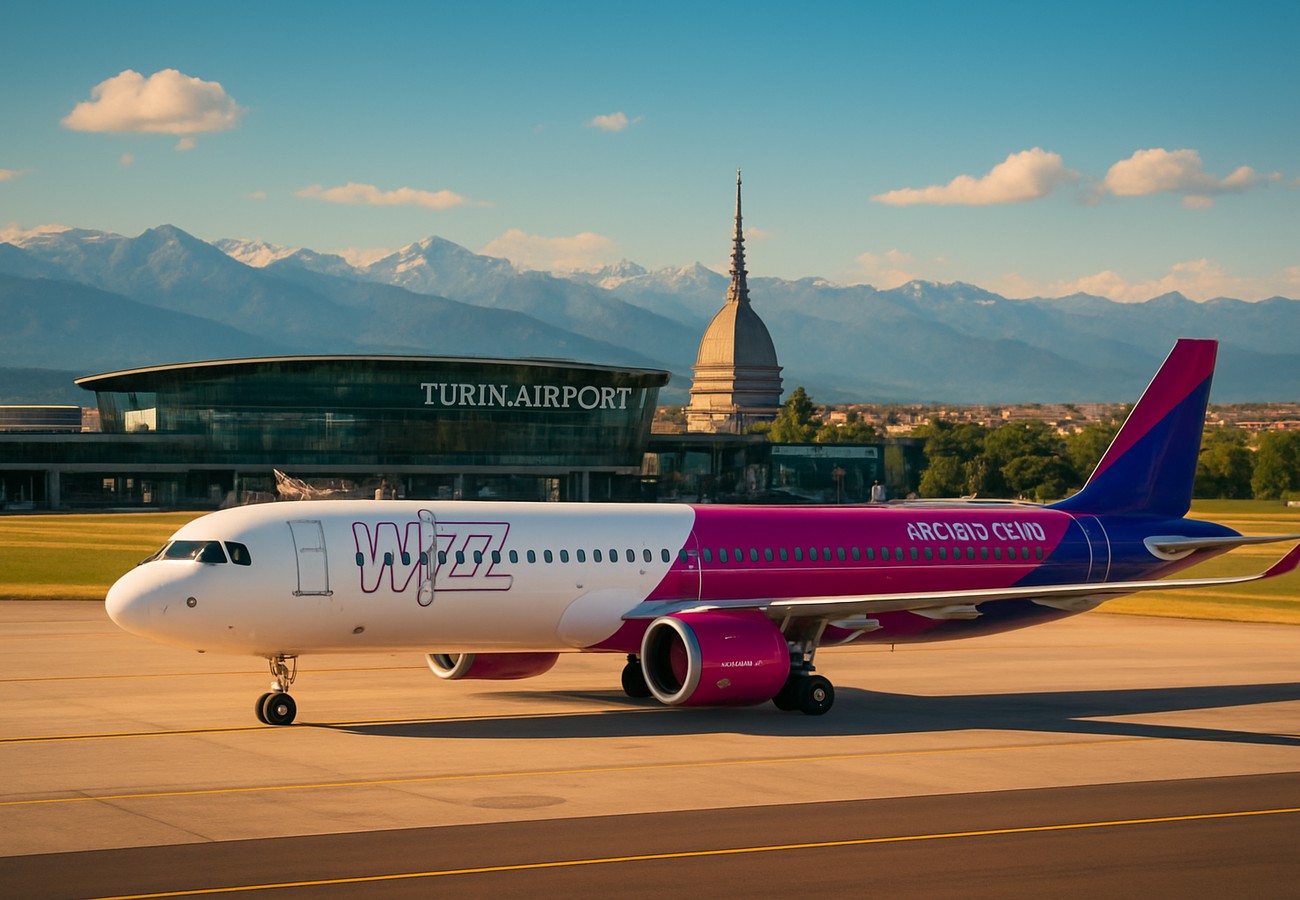
Wizz Air, a discount airline, has announced the launch of six new flight routes to Greece, France, and Germany, with prices starting from just £22.99. The Hungarian budget airline is expanding its services to include four new routes to the Greek Islands – Chania, Mykonos, Rhodes, and Zakynthos – along with two other European destinations, Bordeaux in France and Dortmund in Germany. This move is part of Wizz Air’s strategy to return to growth in 2026, as highlighted by Martin Lewis.
Key Points:
Actionable Takeaways:
Contextual Insights:
The expansion of Wizz Air into new routes and destinations reflects a broader trend in the travel industry towards offering more affordable and accessible travel options. This aligns with the growing demand for budget travel solutions, driven by factors such as economic considerations, changing consumer preferences, and the increasing popularity of budget airlines. The move also underscores the importance of strategic expansion and market penetration in the highly competitive travel sector. Furthermore, the article’s mention of Martin Lewis’s comments highlights the ongoing influence of financial experts in shaping consumer perceptions and behaviors in the travel industry. As such, understanding and adapting to these trends and expert insights is crucial for travel companies looking to stay competitive and meet the evolving needs of their customers.
Read the Complete Article.
Boutique Travel VC raises investment cap from $1.5M to $10M to lead rounds and support portfolio companies through growth Travel...
Read moreDetails




