

























Travel Capitalist Ventures Expands Check Size to $10 Million to Deepen Emerging Market Conviction
Boutique Travel VC raises investment cap from $1.5M to $10M to lead rounds and support portfolio companies through growth Travel...
Read moreDetails
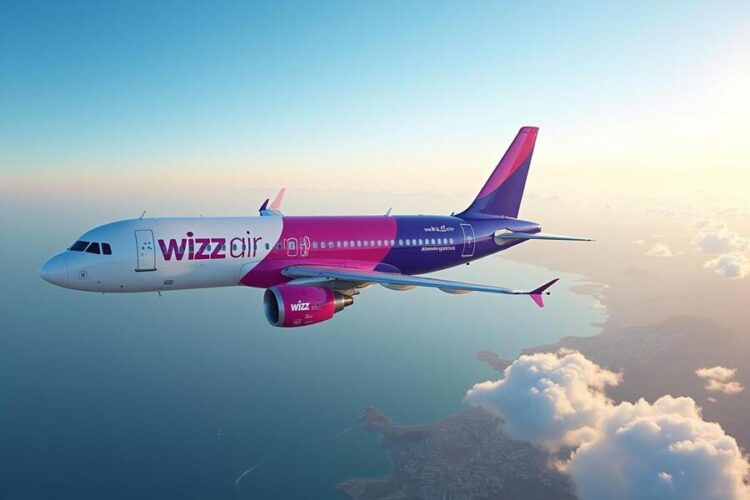
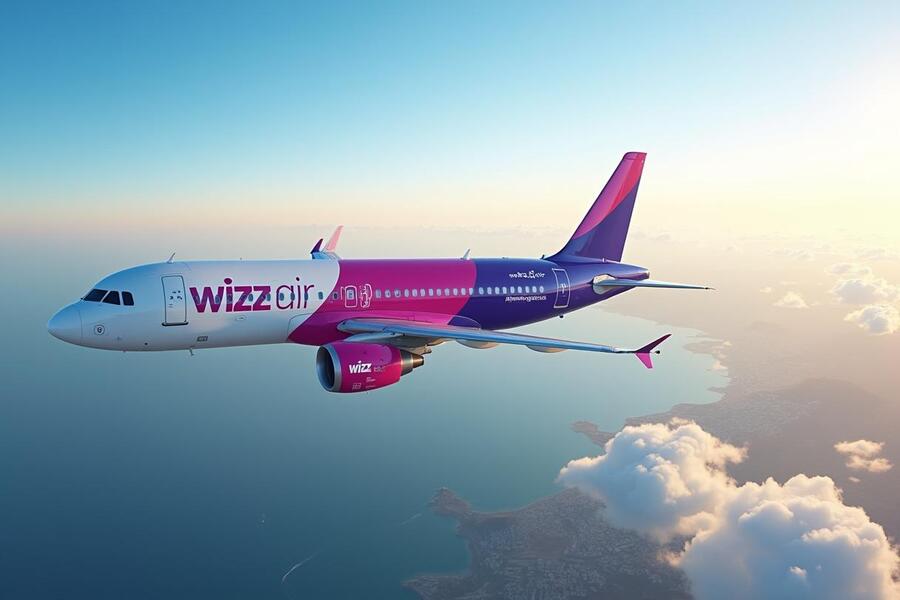
Wizz Air Takes Flight To Cyprus, Germany, And Bulgaria With New Low-Cost Routes Starting This Week
Article Summary:
Wizz Air is expanding its European network by launching new low-cost routes to Cyprus, Germany, and Bulgaria starting this week. This strategic move aims to provide travelers with more budget-friendly travel options to these popular destinations, thereby strengthening the airline’s presence in key markets.
Key Points:
Actionable Takeaways:
Contextual Insights:
The expansion of Wizz Air’s low-cost routes aligns with broader trends in the travel industry, such as the growing demand for affordable travel options and the increasing competition among airlines to offer budget-friendly services. Recent developments in travel tech and fintech have also contributed to this trend, with innovations aimed at making travel more accessible and cost-effective. For instance, advancements in online booking platforms, dynamic pricing models, and integrated payment solutions have empowered travelers to find and book affordable flights more easily. Wizz Air’s strategic move not only reflects these industry trends but also positions the airline to capitalize on the growing demand for budget travel. As the travel industry continues to evolve, such expansions by low-cost carriers are likely to shape future market dynamics, influencing both consumer behavior and competitive strategies among airlines.
Read the Complete Article.
Boutique Travel VC raises investment cap from $1.5M to $10M to lead rounds and support portfolio companies through growth Travel...
Read moreDetails




