
























Travel Capitalist Ventures Expands Check Size to $10 Million to Deepen Emerging Market Conviction
Boutique Travel VC raises investment cap from $1.5M to $10M to lead rounds and support portfolio companies through growth Travel...
Read moreDetails
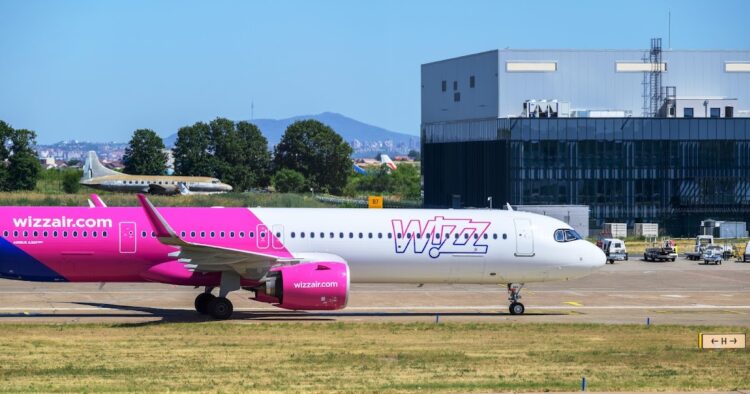
Wizz Air adds new Belgrade and Dubrovnik routes
Article Summary:
Wizz Air, a low-cost carrier, is expanding its network by adding new flights from Belgrade and Dubrovnik. The airline will introduce a new service between Belgrade and Pisa, operating twice a week, making Belgrade linked to eight Italian airports next summer. Additionally, Wizz Air will commence operations from Belgrade to Chania in Greece, competing directly against Air Serbia. This expansion is part of the airline’s ongoing strategy to increase its presence in the European market.
Key Points:
Actionable Takeaways:
Contextual Insights:
The expansion of Wizz Air’s network from Belgrade to Pisa and Belgrade to Chania reflects broader trends in the travel industry, such as increased connectivity and competition among low-cost carriers. As the travel industry continues to recover from the impacts of the COVID-19 pandemic, airlines are focusing on strategic route expansions to boost passenger numbers and market share. Wizz Air’s move aligns with this trend, indicating a shift towards more aggressive market penetration and service diversification. Furthermore, the competition with Air Serbia highlights the dynamic nature of the European low-cost carrier market, where innovation and strategic positioning are crucial for survival and growth. This development also underscores the importance of technological advancements and efficient operations in maintaining competitive advantage in the industry.
Read the Complete Article.
Boutique Travel VC raises investment cap from $1.5M to $10M to lead rounds and support portfolio companies through growth Travel...
Read moreDetails




