

















Travel Capitalist Ventures Expands Check Size to $10 Million to Deepen Emerging Market Conviction
Boutique Travel VC raises investment cap from $1.5M to $10M to lead rounds and support portfolio companies through growth Travel...
Read moreDetails
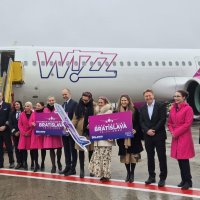
WIZZ AIR BASE OPENING AT BRATISLAVA AIRPORT | Bratislava International Airport
Article Summary:
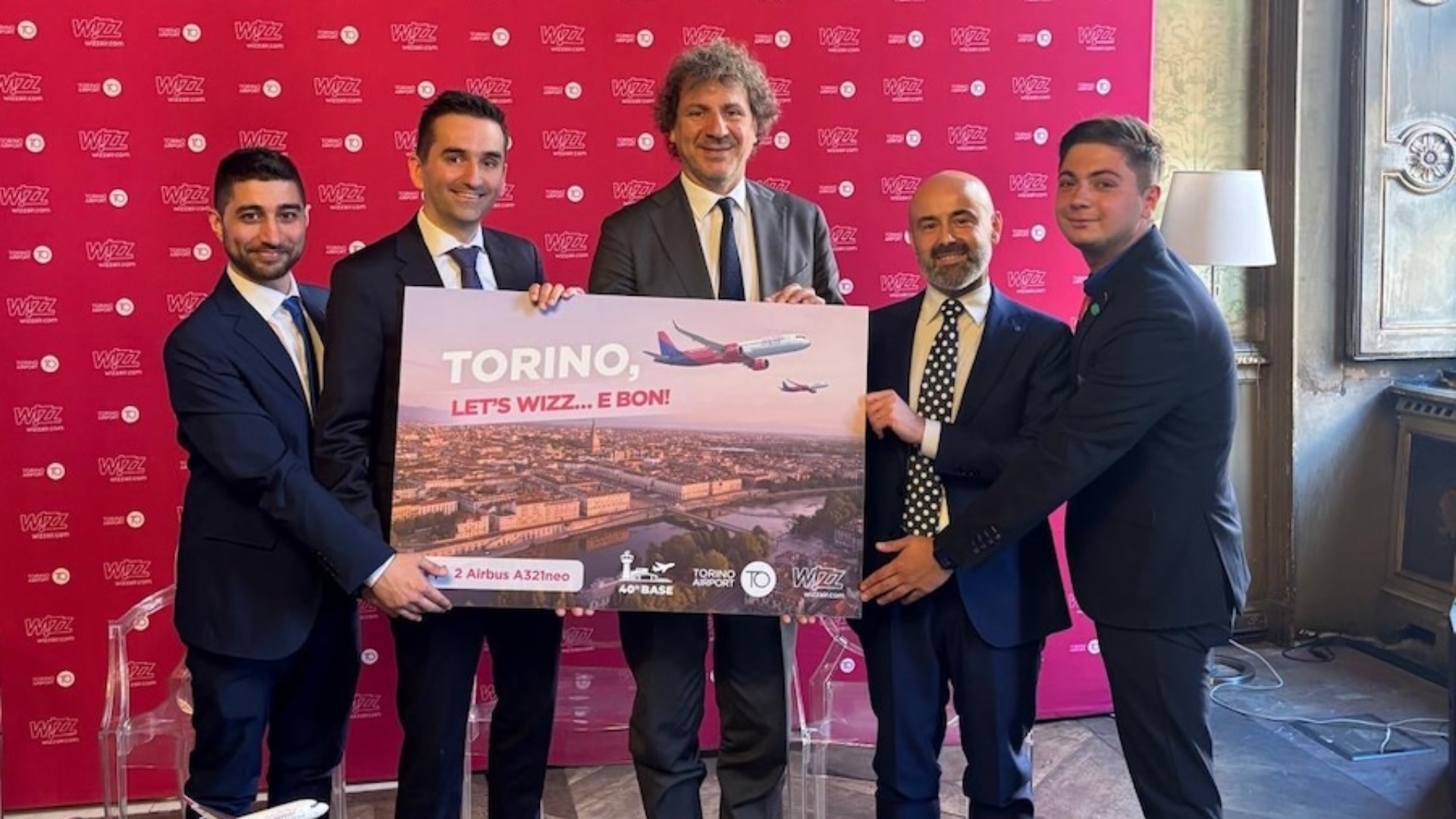
Wizz Air, Europe’s fastest-growing and most sustainable ultra-low-cost airline, officially opened a new base at Bratislava Airport (BTS) on 14 November 2025. The airline is operating four Airbus A321neo aircraft, supporting operations across 30 routes connecting Bratislava with major European cities and leisure destinations. This move marks a significant step for Wizz Air in Slovakia and strengthens its position in the European travel market.
Key Points:
Actionable Takeaways:
Contextual Insights:
The opening of Wizz Air’s new base in Bratislava reflects broader trends in the travel industry, including the increasing importance of sustainable aviation and the strategic expansion of airlines into emerging markets. The use of fuel-efficient Airbus A321neo aircraft aligns with the industry’s push towards reducing carbon emissions, a key focus for many travel stakeholders. Furthermore, the airline’s focus on connecting Bratislava with major European leisure destinations highlights the growing demand for accessible and affordable travel options, particularly among younger demographics. This development underscores the importance of innovation and sustainability in driving growth within the travel sector, particularly for startups and established airlines alike.
Read the Complete Article.
Boutique Travel VC raises investment cap from $1.5M to $10M to lead rounds and support portfolio companies through growth Travel...
Read moreDetails




