






















Travel Capitalist Ventures Expands Check Size to $10 Million to Deepen Emerging Market Conviction
Boutique Travel VC raises investment cap from $1.5M to $10M to lead rounds and support portfolio companies through growth Travel...
Read moreDetails
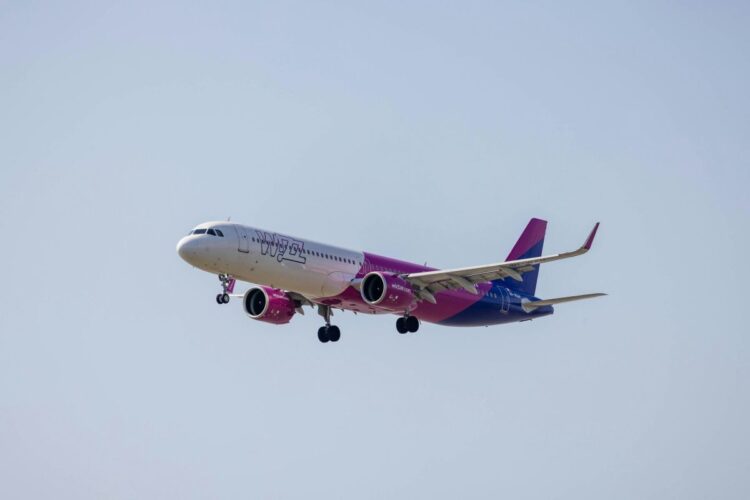
Wizz Air Expands in Greece with New Tirana–Kalamata Summer Route
Article Summary:
Wizz Air, a low-cost airline, is set to launch a new direct route from Tirana to Kalamata in Greece this summer, starting from March 31, 2026. This expansion is part of Wizz Air’s ongoing strategy to grow its footprint in the Greek travel market, with flights scheduled twice weekly on Tuesdays and Saturdays. The initiative is highlighted by Salvatore Gabriele Imperiale, a key figure in Wizz Air’s operations.
Key Points:
Actionable Takeaways:
Contextual Insights:
The launch of Wizz Air’s new route from Tirana to Kalamata reflects the ongoing trend of low-cost carriers expanding their networks to capture market share in competitive travel markets. This move is particularly significant in the context of Greece’s tourism industry, which has been recovering from the impacts of the COVID-19 pandemic. The airline’s strategic focus on enhancing connectivity aligns with industry-wide efforts to make travel more accessible and affordable. Furthermore, the timing of the launch in summer 2026 suggests a proactive approach to capitalize on the peak travel season, potentially setting a precedent for other airlines to follow suit. As the travel industry continues to evolve, such expansions underscore the importance of strategic network planning and the role of technology in shaping future travel experiences.
Read the Complete Article.
Boutique Travel VC raises investment cap from $1.5M to $10M to lead rounds and support portfolio companies through growth Travel...
Read moreDetails




