





















Travel Capitalist Ventures Expands Check Size to $10 Million to Deepen Emerging Market Conviction
Boutique Travel VC raises investment cap from $1.5M to $10M to lead rounds and support portfolio companies through growth Travel...
Read moreDetails
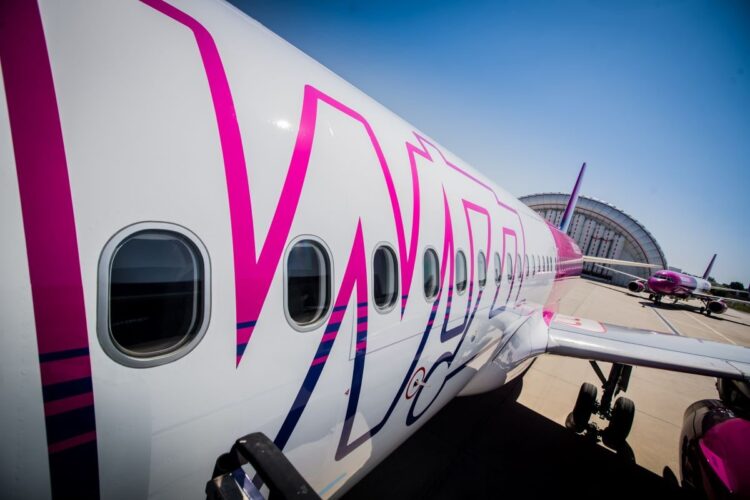
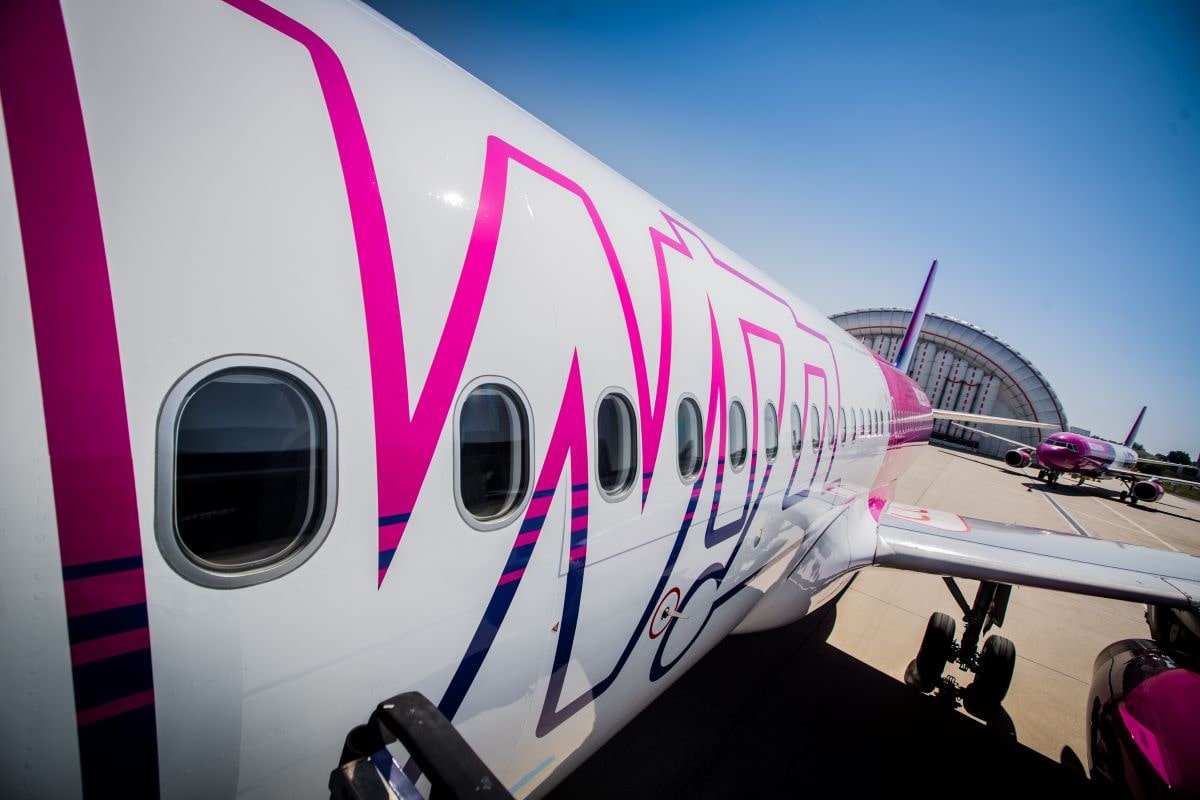
Wizz Air looks for 'enhanced distribution' with Paxport partnership
Comprehensive Summarization:
Paxport, a specialist low-cost fare distributor, has entered into a partnership with fast-growing European carrier Wizz Air. This collaboration will allow Wizz Air’s inventory on its 750 routes to be made available through Paxport’s extensive network of travel sellers. According to Paxport, this partnership marks a significant step forward in Wizz Air’s ongoing commitment to enhancing its distribution capabilities. Wizz Air will also be able to merchandise core fares as well as ancillary services such as bags, seats, and sports equipment through Paxport’s platform. This strategic alliance is expected to bolster Wizz Air’s market reach and Paxport’s distribution network, potentially benefiting both parties in the competitive travel industry.
Key Points:
Actionable Takeaways:
Expanded Market Reach for Wizz Air: By partnering with Paxport, Wizz Air can leverage Paxport’s extensive network of travel sellers, potentially increasing its market reach and customer base. This strategic move could lead to higher sales volumes and revenue for Wizz Air, as it gains access to a broader distribution channel.
Increased Distribution Capabilities for Paxport: Paxport stands to benefit from this partnership by gaining access to Wizz Air’s inventory on 750 routes. This expansion allows Paxport to offer a wider range of travel options to its customers, potentially increasing its market share and customer satisfaction. The inclusion of ancillary services like bags, seats, and sports equipment further enhances Paxport’s value proposition to its clients.
Innovation in Travel Distribution: This partnership exemplifies the trend of collaboration between travel distribution platforms and airlines to enhance distribution capabilities. It highlights the importance of strategic alliances in the travel industry, where leveraging each other’s strengths can lead to mutual growth and success. For startups and established players alike, such collaborations can be a key driver in navigating the competitive landscape of travel tech and distribution.
Contextual Insights:
The partnership between Paxport and Wizz Air reflects the ongoing trend of collaboration and strategic alliances in the travel industry. As the sector becomes increasingly competitive, companies are seeking innovative ways to enhance their distribution capabilities and reach a wider customer base. This move aligns with broader industry trends towards digital transformation and the integration of technology to streamline operations and improve customer experiences.
In the context of current travel trends, the focus on ancillary services such as bags, seats, and sports equipment is noteworthy. Travelers are increasingly looking for comprehensive solutions that offer value beyond the basic fare, and this partnership positions Wizz Air to capitalize on this trend by offering a more holistic travel experience through Paxport’s platform.
Moreover, the collaboration underscores the importance of leveraging technology to enhance distribution networks. As travel tech continues to evolve, partnerships like this one demonstrate how companies can harness the power of technology to create synergies and drive growth. For startups and established players in the travel industry, such collaborations can serve as a blueprint for leveraging partnerships to stay competitive and meet the evolving needs of travelers.
In summary, the partnership between Paxport and Wizz Air is a strategic move that highlights the importance of collaboration, innovation, and leveraging technology in the travel industry. It sets a precedent for how companies can work together to enhance distribution capabilities, expand market reach, and meet the changing demands of travelers.
Read the Complete Article.
Boutique Travel VC raises investment cap from $1.5M to $10M to lead rounds and support portfolio companies through growth Travel...
Read moreDetails



Comprehensive Summarization: The article discusses the significant role of Africa's informal economy, which accounts for approximately 85% of the continent's...
Read moreDetails
