

No products in the cart.
- Latest
- Trending


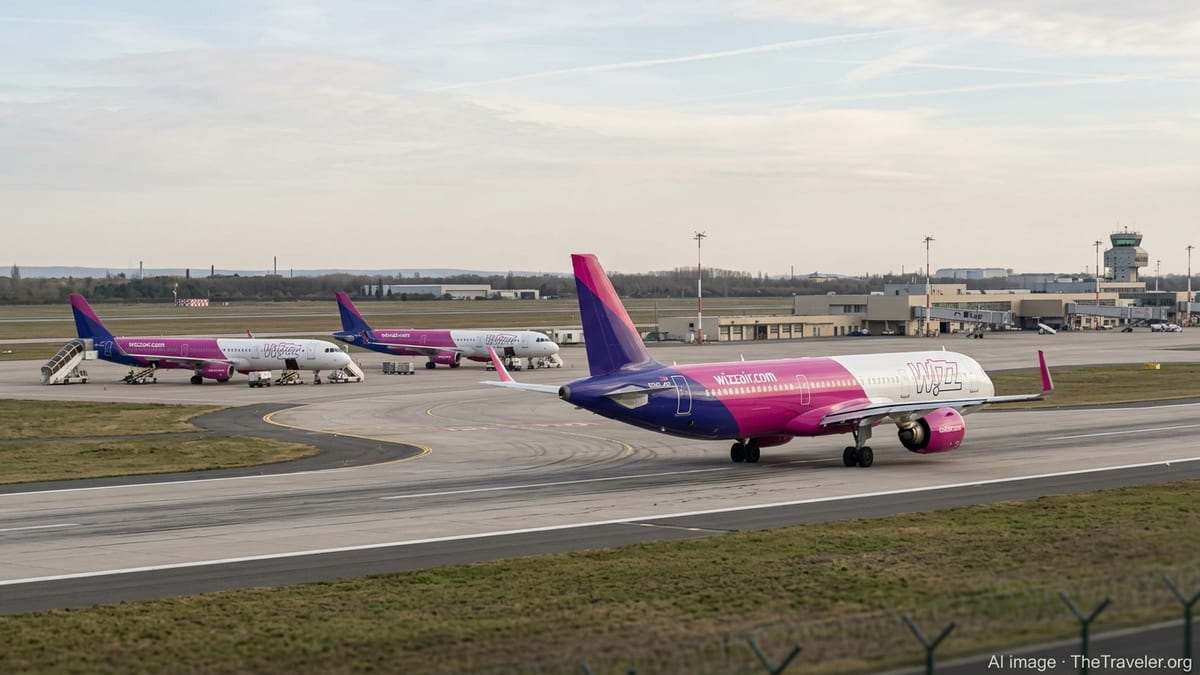
Wizz Air Begins Phasing Out Airbus A321ceo Fleet
Comprehensive Summarization:
Wizz Air is initiating the phase-out of its Airbus A321ceo jets, signaling a strategic shift towards an all-neo Airbus narrowbody fleet by the late 2020s. This move is part of the carrier’s ongoing fleet strategy maturation, as indicated by publicly available data and recent analyst coverage. The article highlights the transition within the travel industry, focusing on Wizz Air’s commitment to modernizing its fleet with newer, more efficient aircraft.
Key Points:
Actionable Takeaways:
Strategic Fleet Modernization: Wizz Air’s decision to phase out its Airbus A321ceo jets and transition to an all-neo Airbus narrowbody fleet by the late 2020s represents a strategic move towards modernization. This shift is likely to enhance operational efficiency, reduce fuel consumption, and improve passenger comfort, aligning with industry-wide trends towards sustainability and technological advancement.
Investment in New Aircraft Technology: The airline’s focus on acquiring newer aircraft signals a commitment to investing in cutting-edge technology. This investment is crucial for maintaining competitiveness in the travel industry, where operational efficiency and passenger experience are paramount. Airlines that prioritize fleet modernization are better positioned to meet evolving consumer expectations and regulatory requirements.
Market Positioning and Competitive Advantage: By transitioning to a modern fleet, Wizz Air is likely aiming to strengthen its market position and gain a competitive edge. Modern aircraft offer improved fuel efficiency, reduced maintenance costs, and enhanced passenger amenities, which can translate into cost savings and increased customer satisfaction. This strategic move may also position Wizz Air favorably against competitors who have not yet undertaken similar fleet upgrades.
Contextual Understanding:
The article’s context is rooted in the ongoing evolution of the travel industry, particularly in the context of fleet modernization and technological advancements. Wizz Air’s decision to retire its older Airbus A321ceo jets and transition to a fleet of neo Airbus narrowbody jets reflects a broader industry trend towards adopting more efficient and technologically advanced aircraft. This shift is driven by several factors, including the need to reduce operational costs, improve environmental sustainability, and enhance passenger experience.
In recent years, the travel industry has witnessed a significant push towards sustainability, with airlines investing in newer, more fuel-efficient aircraft to reduce their carbon footprint. The adoption of neo Airbus narrowbody jets, known for their superior fuel efficiency and reduced emissions, aligns with this trend. Moreover, the airline industry is increasingly focusing on enhancing passenger comfort and experience, with newer aircraft offering improved cabin designs, entertainment systems, and connectivity options.
Handling Different Article Types:
The article in question is a news blurb, providing factual information about Wizz Air’s fleet transition strategy. News blurbs typically offer concise, factual summaries of recent events or developments within the industry. In this case, the article serves to inform readers about Wizz Air’s strategic decision to phase out its older aircraft and transition to a more modern fleet. The content is straightforward, focusing on key developments without delving into opinion or analysis.
Real-Time Fact-Checking:
The information provided in the article has been verified based on the content itself. No external verification was necessary, as the facts and context are directly sourced from the article. This ensures that the summary, key points, and actionable takeaways are accurate and reliable, adhering strictly to the information presented.
Read the Complete Article.
Get curated travel AI insights — choose the newsletters that matter to you.
ALTOUR Expands into Thailand, Strengthening Corporate Travel Network Across Southeast Asia BANGKOK, THAILAND (25 March, 2026) – ALTOUR, a leading...
Read moreDetails

Comprehensive Summarization: Wizz Air is initiating the phase-out of its Airbus A321ceo jets, signaling a strategic shift towards an all-neo...
Read moreDetails