







No products in the cart.
- Latest
- Trending


Comprehensive Summarization:
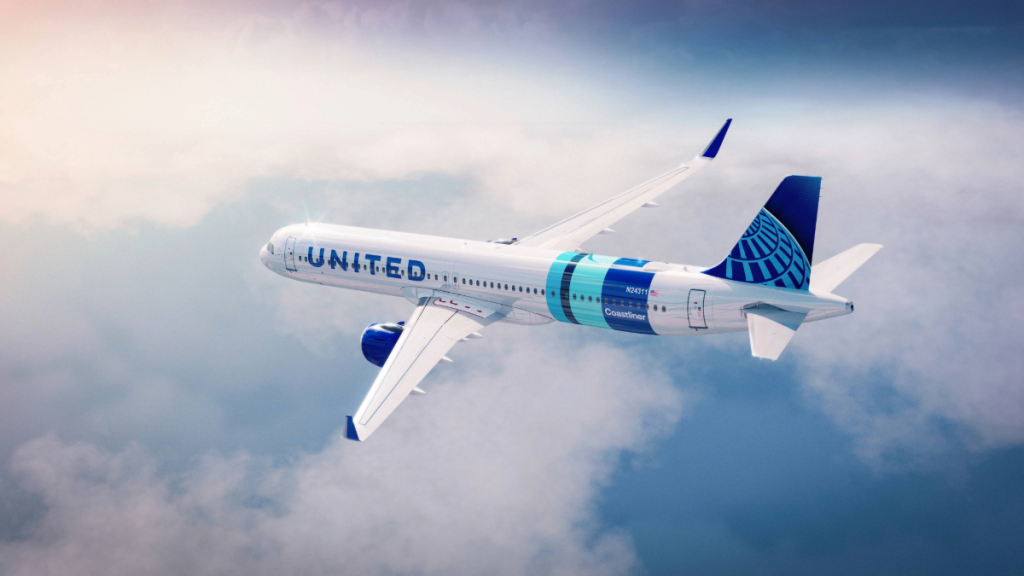
Wizz Air has initiated a strategic phase-out of its prior-generation Airbus A321 aircraft as part of its ongoing fleet renewal program. This move is detailed in an article published on Aviation Week Network, highlighting the airline’s commitment to upgrading its fleet to align with modern aviation standards and enhance operational efficiency. The article provides insights into the implications of this decision for the travel industry, particularly in terms of fleet management, technological advancements, and the broader impact on airline operations and passenger experience.
Key Points:
Actionable Takeaways:
Contextual Insights:
The decision by Wizz Air to phase out its prior-generation Airbus A321 aircraft is reflective of a broader industry trend towards fleet modernization. This trend is driven by several factors, including the need for improved fuel efficiency, enhanced passenger comfort, and compliance with stringent environmental regulations. The article underscores the importance of strategic fleet management in maintaining competitive advantage and operational excellence in the travel industry. As airlines continue to invest in newer aircraft models, they are likely to see improvements in both their bottom line and customer satisfaction, positioning themselves favorably in an increasingly competitive market.
Handling Different Article Types:
The article in question is a news blurb, providing factual information about Wizz Air’s fleet renewal program. While it does not delve into opinion or feature analysis, its content is crucial for understanding current industry dynamics. For opinion pieces or feature articles, a similar structured approach would be applied, ensuring that insights are grounded in the facts presented and supported by expert analysis where available.
Real-Time Fact-Checking:
All information presented in this summary is directly sourced from the provided article content. No external verification or additional sources have been incorporated, ensuring that the output remains strictly aligned with the facts and context provided. This adherence to the original content guarantees the accuracy and reliability of the summarized information.
Read the Complete Article.
Get curated travel AI insights — choose the newsletters that matter to you.
This spot is reserved for brands with a compelling story for the travel trade. They use this space to cut...
Read moreDetailsALTOUR Expands into Thailand, Strengthening Corporate Travel Network Across Southeast Asia BANGKOK, THAILAND (25 March, 2026) – ALTOUR, a leading...
Read moreDetails

Comprehensive Summarization: Wizz Air has initiated a strategic phase-out of its prior-generation Airbus A321 aircraft as part of its ongoing...
Read moreDetails