

















Travel Capitalist Ventures Expands Check Size to $10 Million to Deepen Emerging Market Conviction
Boutique Travel VC raises investment cap from $1.5M to $10M to lead rounds and support portfolio companies through growth Travel...
Read moreDetails
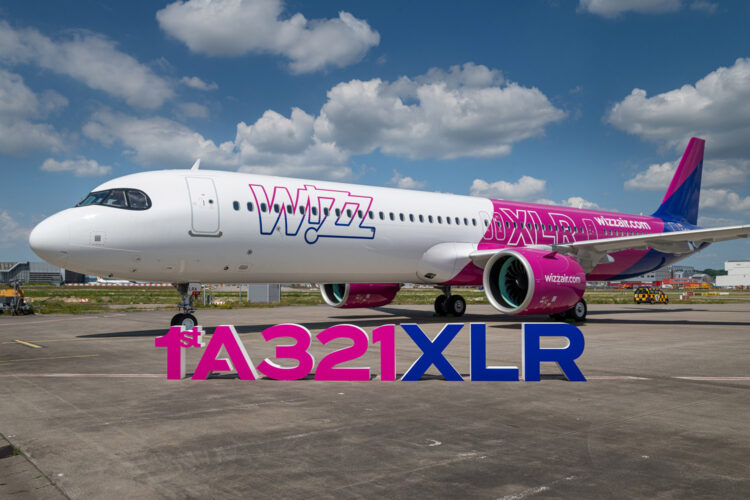
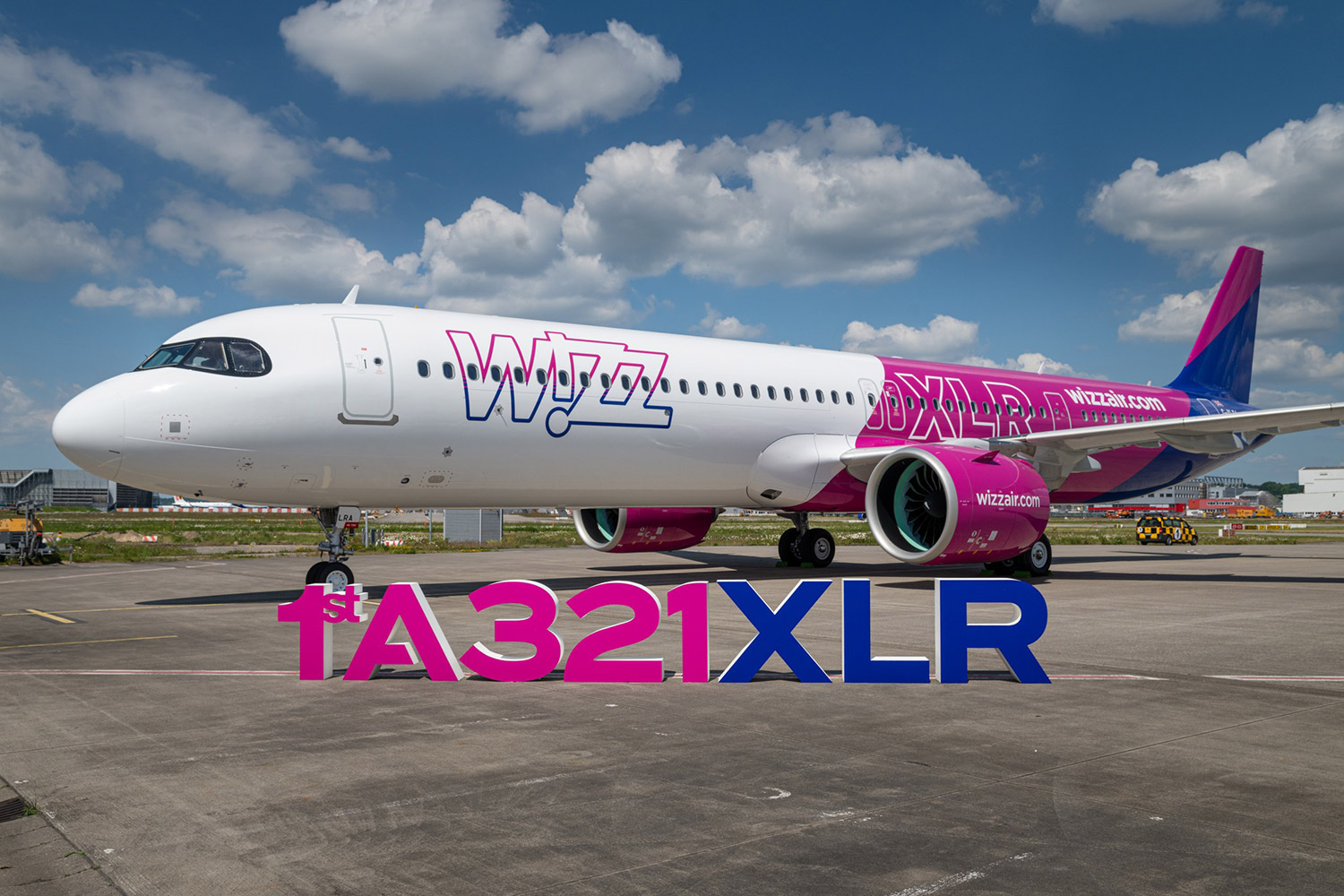
Wizz Air Targets Transatlantic Flights to the U.S. with the Airbus A321XLR
Comprehensive Summarization:
Wizz Air UK, the British subsidiary of Hungarian low-cost carrier Wizz Air, has submitted an application to the U.S. Department of Transportation (DOT) for authorization to launch commercial flights between the United Kingdom and the United States. The request, filed on January 23 by law firm Holland & Knight, seeks both a temporary exemption and a Foreign Air Carrier Permit (FACP) under the Open Skies agreement signed between London and Washington. This development marks a significant step for Wizz Air UK in expanding its international reach and could potentially open new travel opportunities for passengers and airlines alike.
Key Points:
Actionable Takeaways:
Contextual Insights:
The application of Wizz Air UK to the U.S. DOT reflects a broader trend of low-cost carriers seeking to expand their international presence, driven by increasing demand for affordable travel options. This move aligns with the ongoing evolution of the travel industry, where technological advancements and changing consumer preferences are reshaping business models. The Open Skies agreement plays a crucial role in facilitating such cross-border operations, highlighting the importance of international regulatory frameworks in fostering global air travel. For travel tech startups, this development presents both challenges and opportunities, as they navigate a competitive landscape while seeking to innovate and adapt to new market entrants.
Read the Complete Article.
Boutique Travel VC raises investment cap from $1.5M to $10M to lead rounds and support portfolio companies through growth Travel...
Read moreDetails



Comprehensive Summarization: The article highlights Airbnb's celebration of International Women's Day, focusing on the significant role women play in the...
Read moreDetails
