


















Travel Capitalist Ventures Expands Check Size to $10 Million to Deepen Emerging Market Conviction
Boutique Travel VC raises investment cap from $1.5M to $10M to lead rounds and support portfolio companies through growth Travel...
Read moreDetails
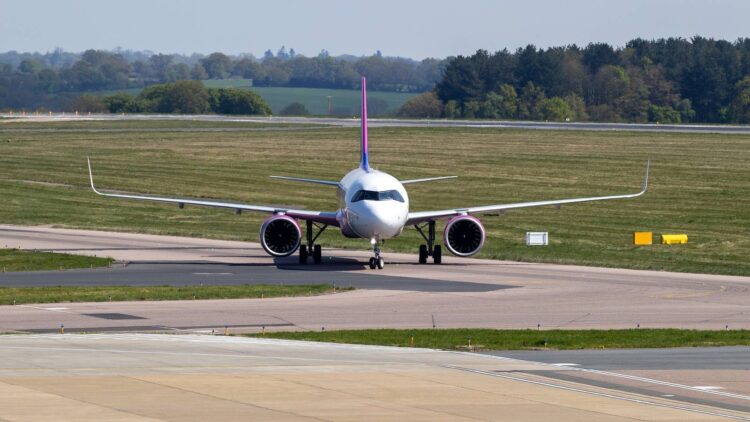
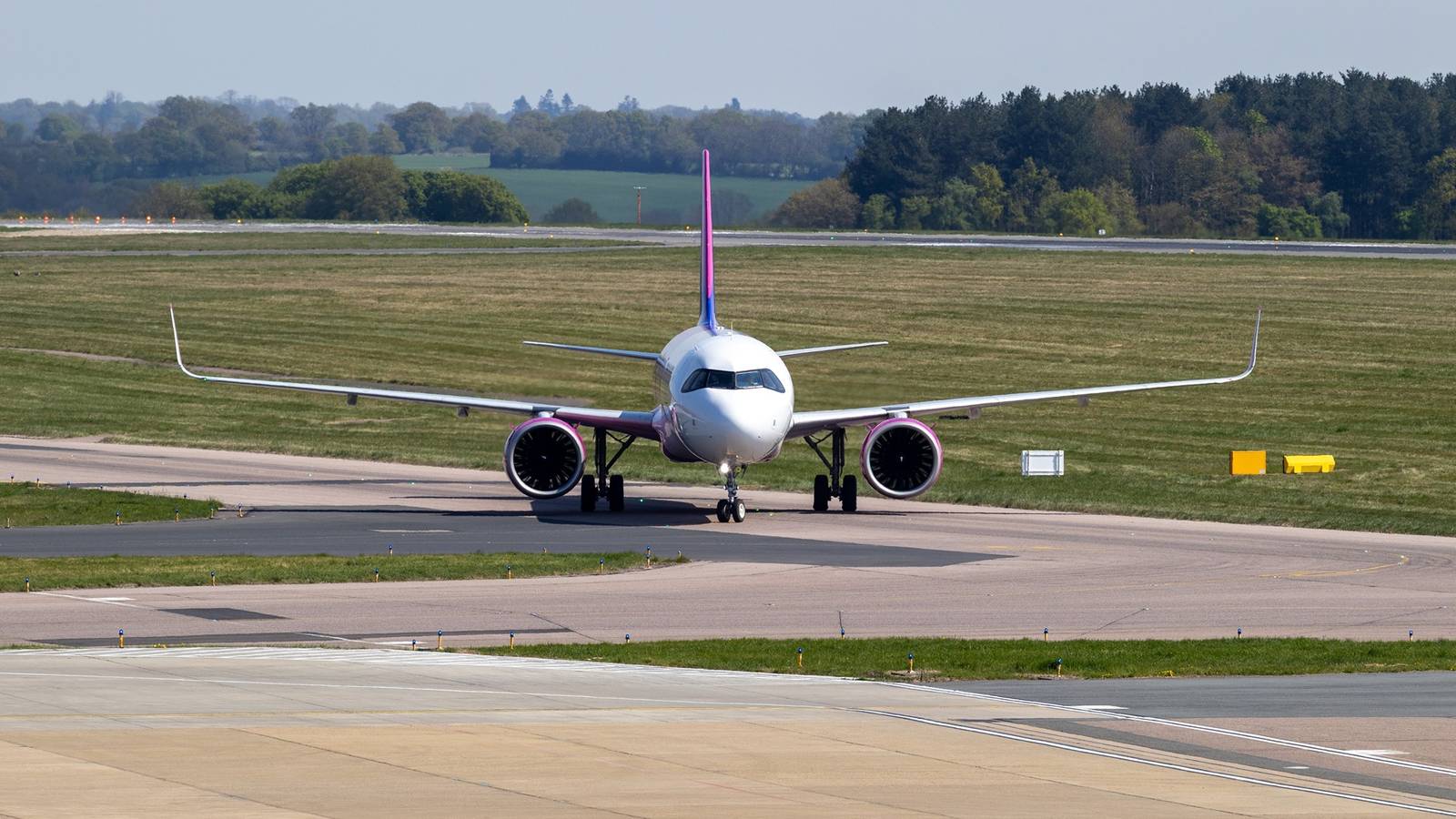
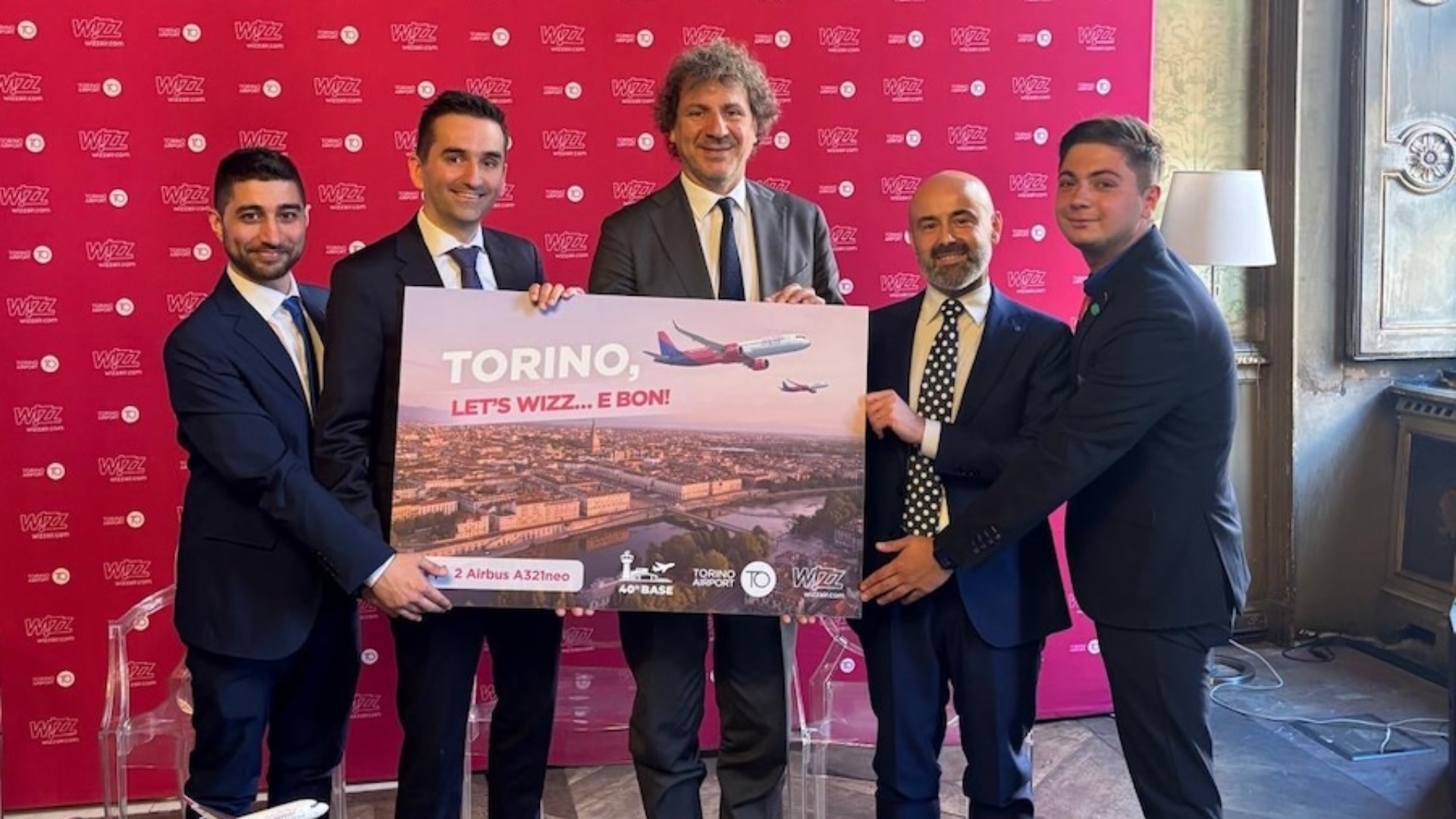
Wizz Air To Operate Up To 380 Aircraft By 2033
Article Summary:
WizzAir, the European ultra-low-cost carrier headquartered in Budapest, is planning a significant fleet expansion by 2033. The carrier will replace its entire fleet with 368 Airbus A321neo aircraft, complemented by 11 advanced A321XLRs. This strategic move aims to bolster its trans-European operations and potentially venture into long-haul flights. Concurrently, WizzAir is set to exit operations from Vienna and Abu Dhabi, signaling a shift in its geographical focus towards Central and Eastern Europe. The company’s expansion plans are part of its broader strategy to strengthen its presence in the region while exiting less profitable markets.
Key Points:
Actionable Takeaways:
Fleet Expansion and Technological Upgrade: WizzAir’s decision to replace its entire fleet with modern Airbus A321neo aircraft and introduce the A321XLR demonstrates a commitment to technological advancement and operational efficiency. This move is likely to enhance the carrier’s competitive edge in the ultra-low-cost carrier segment, potentially attracting more passengers with improved flight schedules and service quality. The adoption of newer aircraft technology also aligns with broader industry trends towards sustainability and fuel efficiency.
Contextual Insights:
The article reflects the ongoing evolution of the European low-cost carrier market, where carriers are increasingly leveraging technological advancements to maintain competitiveness. WizzAir’s strategic decisions align with current industry trends, such as fleet modernization and geographical realignment, driven by the need to optimize operational costs and expand market reach. The carrier’s focus on Central and Eastern Europe underscores the growing importance of these regions in the European travel market, potentially influenced by factors such as economic growth, tourism trends, and regulatory changes. For the travel industry, this highlights the importance of adaptability and strategic foresight in navigating market shifts and technological advancements. Additionally, the exit from high-cost markets like Vienna and Abu Dhabi signals a broader trend among low-cost carriers to optimize their operational footprint, focusing on regions that offer better return on investment and growth potential.
Read the Complete Article.
Boutique Travel VC raises investment cap from $1.5M to $10M to lead rounds and support portfolio companies through growth Travel...
Read moreDetails




